Most people associate sesame seeds with tasty toppings for bread or a key ingredient in tahini. But what if we told you these tiny seeds hold a much bigger secret – one that could offer a surprising twist in your daily battle against nagging neck and back discomfort? Often overlooked for their practical applications beyond the culinary, sesame seeds have a long history in traditional remedies for their soothing properties.
One small preparation mistake, however, can diminish their effectiveness, leaving you wondering if this ancient remedy is truly for you. Today, we’re cutting through the noise to show you exactly how to harness the humble sesame seed as a powerful, practical ally in managing everyday neck and back tension.
What It Is: The Sesame Seed Remedy
This remedy involves preparing sesame seeds into a warming, soothing application for the skin. The concept draws on traditional practices where warmed oils and ingredients were used to help relax muscles and promote comfort. While we often think of sesame oil in cooking, its historical use in topical applications is equally significant. The seeds themselves contain a rich profile of beneficial compounds that, when prepared correctly, are believed to support ease in tense areas.
This isn’t about ingesting the seeds for relief, but rather creating a simple, localized compress or massage oil that can be applied directly to the areas of discomfort, like the neck, shoulders, and lower back.

Ingredients You’ll Need
The beauty of this remedy lies in its simplicity. You’ll only need two primary ingredients:
- Sesame Seeds: Opt for raw, unhulled sesame seeds if possible, as they retain more of their natural compounds. White or black sesame seeds both work, though black sesame seeds are often considered more potent in some traditional systems.
- Carrier Oil: A neutral, skin-friendly oil like coconut oil, olive oil, or sweet almond oil. This will help create a paste and facilitate application.
Approximate Measurements
- 1/4 cup (approximately 40g) raw sesame seeds
- 2-3 tablespoons carrier oil (adjust as needed to form a paste)
Formula / Recipe: Warming Sesame Seed Paste
The goal is to create a slightly coarse, warm paste that can be applied to the skin. The warmth is key, as it helps the body relax and the ingredients to penetrate. The process is straightforward, focusing on gentle preparation to preserve the seeds’ properties.
Step-by-Step Method
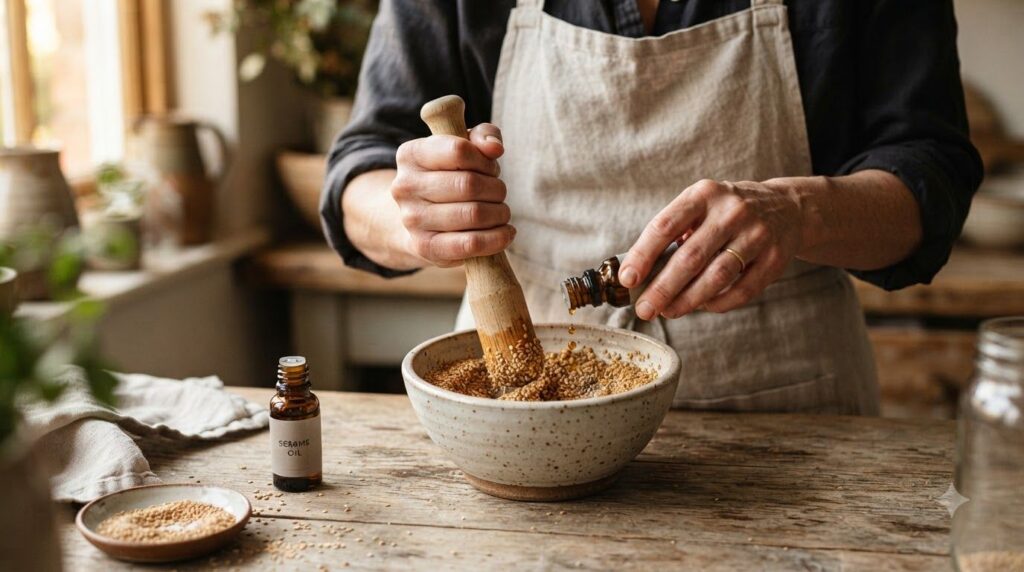
- Grind the Seeds: Using a mortar and pestle or a small coffee grinder (designated only for herbs/spices), lightly grind the 1/4 cup of sesame seeds. You don’t want a fine powder, but rather a coarse meal – enough to break them open and release their natural oils.
- Gently Heat the Oil: In a small, heat-proof bowl, gently warm 2 tablespoons of your chosen carrier oil. You can do this by placing the bowl in a larger bowl of hot water (bain-marie method) or very briefly in a microwave (10-15 seconds, check for warmth, not boiling). The oil should be warm to the touch, not hot.
- Combine and Form Paste: Add the ground sesame seeds to the warm oil. Mix well with a spoon until a thick, spreadable paste forms. If it’s too dry, add another tablespoon of oil, slowly, until you reach the desired consistency. The paste should be warm, not scalding.
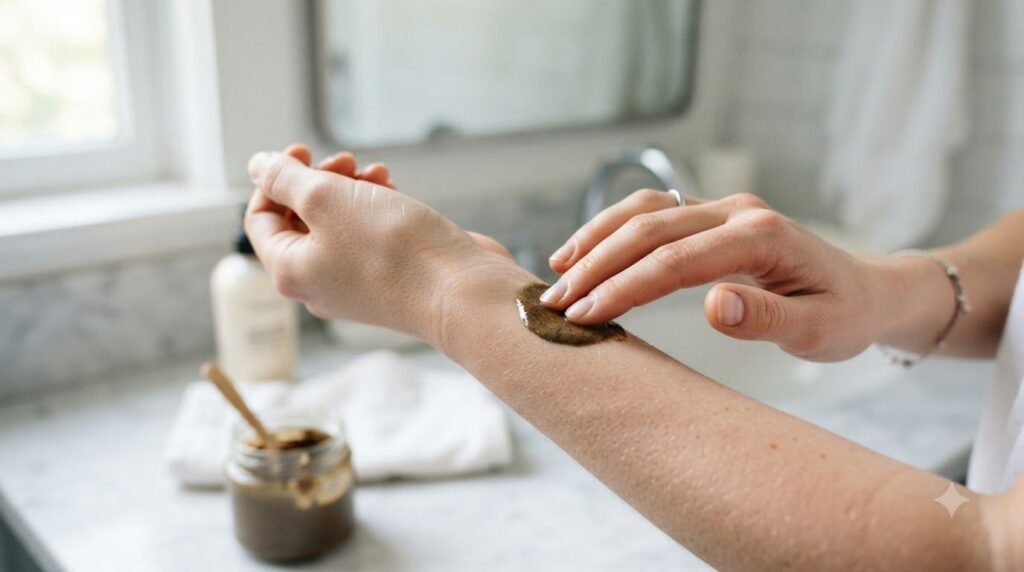
- Test Temperature: Always test a small dab of the paste on the inside of your wrist to ensure it’s a comfortable temperature before applying to larger areas.
Quick Tip: Fresh vs. Dried Seeds
For the best results, always use fresh, raw sesame seeds. Older, rancid seeds will not offer the same beneficial properties and may even irritate the skin. You can test for freshness by smelling them – they should have a mild, nutty aroma, not a bitter or ‘off’ smell.
How to Use This Remedy
Once your warm sesame seed paste is ready, apply it directly to the affected areas:
- For Neck and Shoulders: Gently spread a thin layer of the warm paste over the tense muscles in your neck and shoulders.
- For Back Pain: Apply the paste to the lower back or any specific area of discomfort.
- Massage (Optional): You can gently massage the area for 5-10 minutes after application, allowing the warmth and properties of the seeds to work.
- Compress: For deeper penetration, cover the applied paste with a warm, damp cloth or a piece of plastic wrap, then place a warm towel over that. Leave on for 20-30 minutes.
- Rinse Off: After the application, gently wipe off the paste with a warm, damp cloth, or rinse in the shower.
How Often to Use
You can use this sesame seed remedy 2-3 times per week, or as needed for localized discomfort. Consistency is often more important than intensity. Listen to your body and adjust frequency based on your personal comfort and response.
Did You Know? The warmth from the paste and compress helps dilate blood vessels, increasing circulation to the area, which can contribute to muscle relaxation and easing tension.
How to Buy / How to Choose Ingredients
- Sesame Seeds: Look for raw, unhulled sesame seeds in bulk bins at health food stores or reputable online retailers. Ensure they are stored in airtight containers away from light and heat. Inspect for any signs of moisture or discoloration. Black sesame seeds are often preferred in traditional Chinese medicine for their warming properties.
- Carrier Oil: Choose a good quality, cold-pressed extra virgin olive oil, organic coconut oil, or sweet almond oil. Avoid heavily processed or refined oils, as they may lack beneficial compounds and could contain additives.
Storage
This remedy is best prepared fresh for each use. The beneficial compounds and warmth are most potent immediately after preparation. If you absolutely must, you can store any leftover paste in an airtight container in the refrigerator for up to 24 hours, but you will need to gently rewarm it (using the bain-marie method) before the next application. Discard any paste that smells rancid or off.
Practical Tips for Best Results
- Consistency Matters: Make sure your paste is not too runny or too dry. It should be easy to spread but stay on the skin.
- Warmth is Key: Ensure the oil is warm, not hot. The gentle heat is essential for comfort and efficacy.
- Relaxation Ritual: Combine this remedy with a moment of relaxation. Lie down in a comfortable position, close your eyes, and focus on deep breathing while the paste works.
- Protect Clothing: Sesame oil can stain, so wear old clothes or cover the area with a towel during application.
Common Mistakes to Avoid
- Using Rancid Seeds: Old or improperly stored sesame seeds can become rancid, losing their beneficial properties and potentially causing skin irritation.
- Over-Heating the Oil: Boiling the oil can destroy its delicate compounds and make the paste too hot for safe application. Gentle warming is sufficient.
- Skipping the Grind: Simply mixing whole seeds with oil won’t release enough of their internal compounds. A light grind is necessary.
- Expecting an Instant Fix: This is a gentle, supportive remedy, not a magic bullet. Consistency and patience are key.
- Using Sprayed Seeds: Always opt for organic or pesticide-free sesame seeds, especially for topical applications, to avoid exposing your skin to unwanted chemicals.
Cautions / Who Should Avoid It
- Allergies: If you have a known allergy to sesame seeds, do not use this remedy.
- Broken Skin: Avoid applying the paste to open wounds, cuts, or severely irritated skin.
- Sensitive Skin: Always perform a patch test on a small area of skin (e.g., inner forearm) 24 hours before full application to check for any adverse reactions.
- Medical Conditions: If you have a serious skin condition, circulatory issues, or are pregnant, consult with a healthcare professional before trying new home remedies.
Comparison: Sesame Oil vs. Sesame Seed Paste for Topical Use
| Feature | Sesame Oil (Store-bought) | Sesame Seed Paste (DIY Remedy) |
|---|---|---|
| Preparation | Pre-extracted, often refined | Freshly ground seeds + carrier oil |
| Texture | Liquid oil | Coarse, spreadable paste |
| Application | Massage oil | Direct compress, massage, or poultice |
| Benefit Profile | Contains beneficial oils, warming | Retains fiber, more concentrated seed compounds, warming |
| Absorption | Good | Potentially deeper due to direct seed contact and warmth |
| Best Use For | General massage, skin conditioning | Targeted muscle tension, localized discomfort |
Quick Summary
- Best Preparation: Freshly ground raw sesame seeds combined with warm carrier oil into a paste.
- Best Use-Case: Topical application for neck, shoulder, and back tension/discomfort.
- Storage: Best prepared fresh; can be refrigerated for up to 24 hours.
- When to Use: 2-3 times per week, or as needed, for gentle relief.
- What to Avoid: Rancid seeds, overheating oil, skipping the grind, using on broken skin or if allergic.
FAQ
- Can I use roasted sesame seeds?
It’s best to use raw seeds as roasting can alter some of the beneficial compounds. - How long does the paste last?
Ideally, prepare it fresh for each use. If necessary, store refrigerated for up to 24 hours. - Can I refrigerate the leftover seeds?
Yes, raw sesame seeds should be stored in an airtight container in the refrigerator to prolong freshness. - How often should I apply this remedy?
You can apply it 2-3 times a week or as needed, but always observe how your skin reacts. - What part of the sesame plant is best?
For this specific remedy, the seeds are the primary component. - Can I add essential oils to the paste?
While some people do, it’s best to start with the simple sesame seed and carrier oil mixture to gauge its effectiveness. If you choose to add essential oils, do so sparingly and ensure they are skin-safe and properly diluted. - Will this remedy cure my back pain?
This is a traditional supportive remedy for temporary, localized discomfort and tension. It is not intended to diagnose, treat, or cure chronic or severe medical conditions. Always consult a healthcare professional for persistent pain.
Conclusion
The humble sesame seed, often confined to the spice rack, holds potential as a simple yet effective home remedy for everyday neck and back discomfort. By understanding the correct preparation and application, you can unlock its traditional soothing properties. Remember, natural remedies are about mindful practice and listening to your body. Give this warming sesame seed paste a try, and you might just discover your kitchen’s unexpected secret to comfort.
You may also like: DIY Turmeric & Ginger Compress for Soreness
Read more: Magnesium Oil Spray for Muscle Relief

