Unlock Better Sleep: Superfoods for Restful Nights
Are you tossing and turning at night, wishing for more restful sleep? You’re not alone. Sleep is a cornerstone of good health, influencing everything from our mood and energy levels to our immune system and cognitive function. While many factors affect sleep quality, what you eat can play a surprisingly powerful role. Certain foods contain natural compounds that can help your body relax, regulate sleep cycles, and drift off more easily.
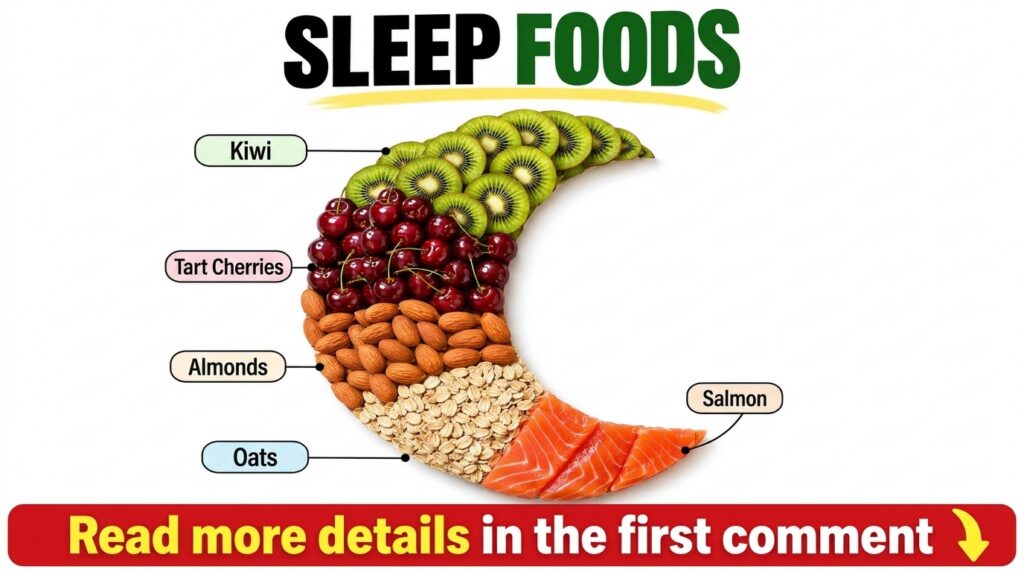
In this article, we’ll explore some incredible ‘sleep superfoods’ – including kiwi, tart cherries, almonds, oats, and salmon – that you can add to your diet to encourage more peaceful slumber. Get ready to discover how simple dietary changes can help you wake up feeling refreshed and revitalized!
The Connection Between Food and Sleep
It’s fascinating how the foods we choose can impact our sleep. Many foods contain essential nutrients and compounds that are precursors to sleep-regulating hormones like melatonin and serotonin, or that help calm the nervous system. By understanding these connections, we can make informed choices to support our body’s natural sleep processes.
Key Nutrients for Sleep
- Melatonin: A hormone that regulates the sleep-wake cycle.
- Tryptophan: An amino acid that the body converts into serotonin, which then converts into melatonin.
- Magnesium: A mineral that helps relax muscles and calm the nervous system.
- Calcium: Involved in the production of melatonin.
- B Vitamins: Play a role in the production of serotonin and melatonin.
Superfoods to Incorporate for Better Sleep
Let’s dive into some specific superfoods that are celebrated for their potential to enhance sleep quality.
1. Kiwi
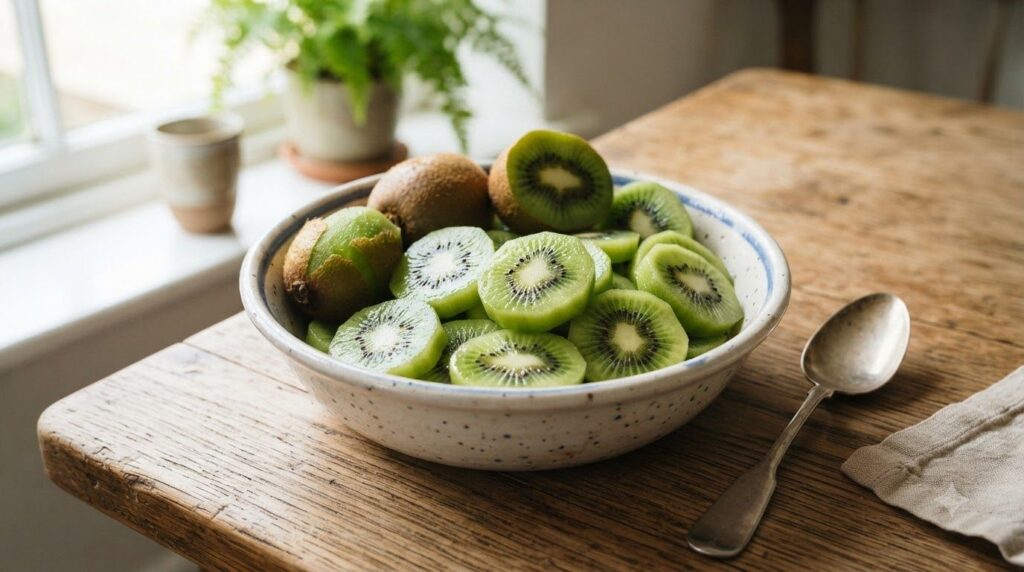
These small, fuzzy fruits are more than just delicious; they’re packed with sleep-promoting compounds.
- Main Nutrients: Rich in Vitamin C, Vitamin K, folate, and potassium. Notably, kiwi also contains serotonin, a neurotransmitter that can help initiate and regulate sleep.
- Scientific Explanation: Research suggests that the antioxidants and serotonin in kiwi may contribute to improved sleep onset and duration. Some studies indicate that eating two kiwis an hour before bed can significantly improve sleep quality.
- Best Ways to Eat: Enjoy fresh, sliced kiwi on its own, add it to your yogurt or oatmeal, or blend it into a smoothie.
2. Tart Cherries (and Tart Cherry Juice)
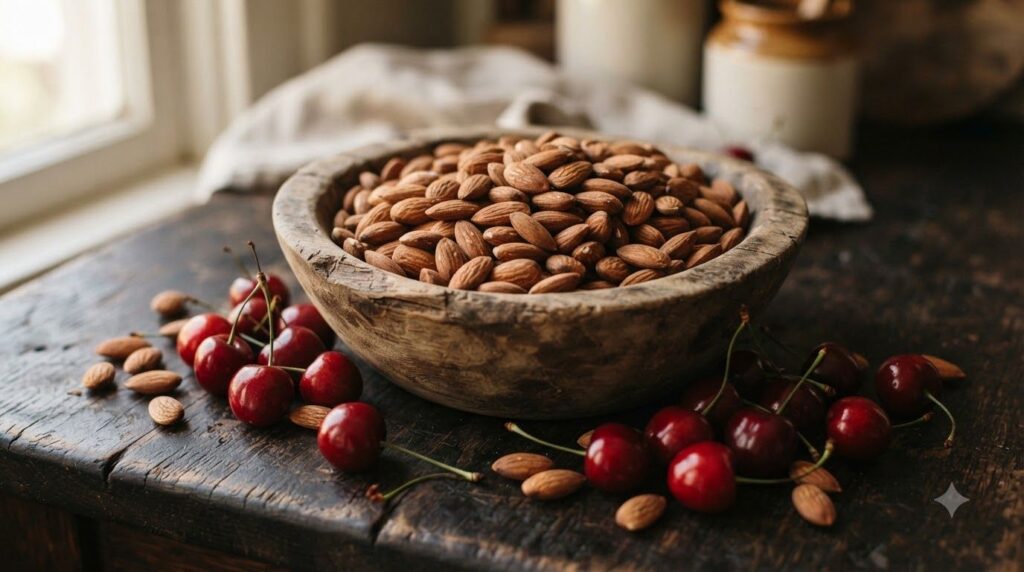
Unlike sweet cherries, tart cherries are a natural source of melatonin.
- Main Nutrients: High in melatonin and powerful antioxidants.
- Scientific Explanation: Melatonin is the hormone responsible for controlling your sleep-wake cycle. Consuming tart cherries or their juice can increase the body’s melatonin levels, potentially helping you fall asleep faster and stay asleep longer. The antioxidants may also help reduce inflammation and oxidative stress, which can interfere with sleep.
- Best Ways to Eat: Drink a small glass of tart cherry juice an hour or two before bed, or enjoy fresh or frozen tart cherries as a snack.
3. Almonds
These crunchy nuts are a powerhouse of nutrients, including some that are crucial for sleep.
- Main Nutrients: Excellent source of magnesium, calcium, and tryptophan.
- Scientific Explanation: Magnesium helps reduce muscle tension and calm the nervous system. Calcium plays a role in the body’s production of melatonin. Tryptophan, an amino acid, is converted into serotonin and then melatonin, helping to induce sleep.
- Best Ways to Eat: A small handful of almonds as an evening snack, almond butter on whole-wheat toast, or sprinkled over your yogurt.
4. Oats
Oats aren’t just for breakfast; they can be a great addition to your evening routine.
- Main Nutrients: A good source of complex carbohydrates, magnesium, and naturally contain a small amount of melatonin.
- Scientific Explanation: Complex carbohydrates help stabilize blood sugar levels, preventing nighttime sugar spikes and crashes that can disrupt sleep. They also stimulate the release of insulin, which helps tryptophan enter the brain, where it can be converted to serotonin and melatonin.
- Best Ways to Eat: A small bowl of warm oatmeal with a sprinkle of cinnamon and a few berries a couple of hours before bed.
5. Salmon
This fatty fish is a nutritional superstar, offering benefits far beyond heart health.
- Main Nutrients: Rich in Vitamin D and Omega-3 fatty acids, particularly DHA and EPA.
- Scientific Explanation: Research suggests that Vitamin D plays a role in regulating sleep and that a deficiency can be linked to sleep disturbances. Omega-3 fatty acids may improve sleep by promoting the production of serotonin and reducing inflammation throughout the body, creating a more conducive environment for sleep.
- Best Ways to Eat: Include baked or grilled salmon in your dinner a few times a week.

Nutrition Comparison: Sleep-Boosting Compounds
Here’s a quick look at how these superfoods stack up in terms of their sleep-supporting components:
| Food | Key Sleep Compound(s) | Approx. Calories (per serving) | Best Benefit |
|---|---|---|---|
| Kiwi (2 medium) | Serotonin, Antioxidants | 90 | Improved sleep onset & duration |
| Tart Cherries (1 cup) | Melatonin, Antioxidants | 100 | Increased natural melatonin levels |
| Almonds (1 oz / 23 nuts) | Magnesium, Tryptophan, Calcium | 160 | Muscle relaxation & nerve calming |
| Oats (1/2 cup dry) | Complex Carbs, Magnesium, Melatonin | 150 | Stabilized blood sugar & tryptophan absorption |
| Salmon (3 oz cooked) | Omega-3s, Vitamin D | 175 | Serotonin production & inflammation reduction |
Note: Nutritional values are approximate and can vary based on serving size and preparation.
Practical Tips for Better Sleep
Beyond these superfoods, here are some additional tips to help you cultivate a healthy sleep routine:
- Consistency is Key: Go to bed and wake up at the same time every day, even on weekends.
- Create a Relaxing Bedtime Routine: Take a warm bath, read a book, or listen to calming music.
- Optimize Your Sleep Environment: Ensure your bedroom is dark, quiet, and cool.
- Limit Caffeine and Alcohol: Especially in the afternoon and evening, as they can disrupt sleep.
- Avoid Heavy Meals Before Bed: Give your body time to digest; finish eating at least 2-3 hours before sleep.
- Stay Active: Regular physical activity can improve sleep quality, but avoid intense exercise close to bedtime.

FAQs About Sleep and Nutrition
Q1: Can certain foods really make me fall asleep faster?
A: While no food acts as an instant sedative, many foods contain compounds like tryptophan, melatonin, magnesium, and complex carbohydrates that can support your body’s natural sleep-inducing processes, potentially helping you fall asleep more easily over time.
Q2: How quickly can I expect to see results from eating sleep-promoting foods?
A: The effects can vary from person to person. Some individuals may notice improvements in a few days, while for others, it might take a couple of weeks of consistent incorporation of these foods into their diet. Combining diet changes with good sleep hygiene practices generally yields the best results.
Q3: Are there any foods I should avoid before bed?
A: Yes. It’s generally best to avoid heavy, fatty, or spicy meals close to bedtime, as they can cause indigestion. Caffeinated beverages and alcohol can also disrupt sleep patterns. Sugary snacks can lead to blood sugar spikes and crashes, which might interrupt sleep.
Q4: Is tart cherry juice better than eating whole tart cherries?
A: Both can be beneficial. Tart cherry juice often provides a concentrated dose of melatonin. However, whole tart cherries offer the added benefit of fiber, which is important for digestive health. Choose what works best for your dietary preferences and needs.
Q5: Can these foods help with chronic insomnia?
A: While these foods can support better sleep, they are not a cure for chronic insomnia. If you suffer from persistent sleep problems, it’s important to consult with a healthcare professional to determine the underlying cause and appropriate treatment.
Q6: What if I have allergies to any of these foods?
A: If you have allergies to any of the mentioned foods (like almonds), always avoid them. There are many other sleep-supportive foods available. For example, pumpkin seeds are another great source of magnesium and tryptophan.
Conclusion
Achieving restful sleep is a vital part of a healthy lifestyle, and your diet plays a significant role. By thoughtfully incorporating sleep-promoting superfoods like kiwi, tart cherries, almonds, oats, and salmon into your daily meals, you can nourish your body with the nutrients it needs to relax and rejuvenate.
Remember, a holistic approach to sleep, combining healthy eating with consistent sleep habits, will yield the best results. Start experimenting with these delicious foods tonight and take a positive step towards waking up refreshed and ready to conquer your day! Explore more healthy food content on our website for additional tips and recipes to boost your well-being.
This content is for educational purposes only and should not be considered medical advice. Consult a qualified healthcare professional for personalized dietary recommendations.