Most people ignore this, focusing solely on the sweet, juicy fruit. Yet, many herbalists know that the true magic of the fig tree often lies in its humble leaves. If you’ve been overlooking these vibrant green powerhouses, you’re missing out on a simple, ancient remedy. The secret to harnessing their wellness potential is surprisingly easy: through a simple, yet potent, herbal tea.
This article will guide you through transforming overlooked fig leaves into a valuable addition to your daily routine, revealing practical steps, common pitfalls, and everything you need to know to make your own nourishing fig leaf tea.
What It Is: Fig Leaf Tea for Wellness
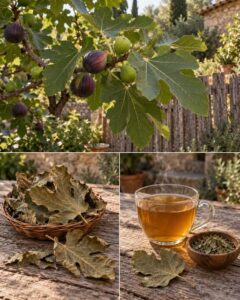
Fig leaf tea is an herbal infusion made from the leaves of the Ficus carica tree, commonly known as the fig tree. Unlike many herbal teas that use flowers or roots, this remedy leverages the unique compounds found in the leaves themselves. Traditionally valued in various cultures for supporting overall wellness, it’s gaining recognition for its potential to help manage blood sugar, support cardiovascular health, and offer antioxidant benefits. It’s a mild, earthy brew that can be enjoyed hot or cold.
Ingredients
Making fig leaf tea is straightforward, requiring minimal ingredients:
- Fig Leaves: Fresh or dried.
- Water: Filtered water is recommended for the best taste and purity.
Approximate Measurements
The strength of your tea can be adjusted to your preference, but these measurements provide a good starting point:
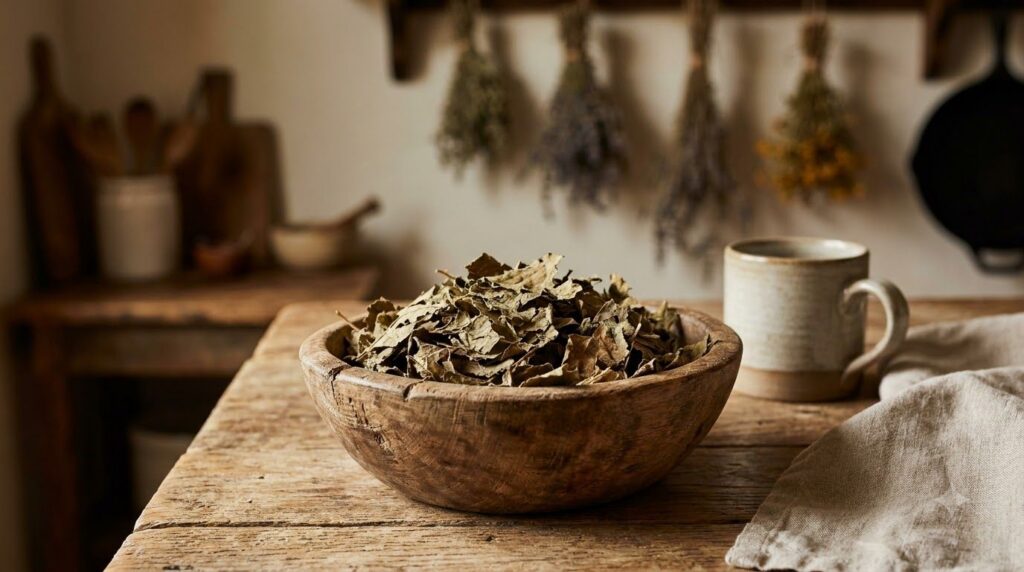
- For Dried Leaves: 1-2 teaspoons of crumbled dried fig leaves per 8 ounces (1 cup) of water.
- For Fresh Leaves: 1-2 medium-sized fresh fig leaves per 8 ounces (1 cup) of water.
Quick Tip: Start with fewer leaves and increase if you prefer a stronger brew. The flavor is subtle but distinct.
Formula / Recipe: Simple Fig Leaf Infusion
This basic recipe is your gateway to incorporating fig leaf tea into your wellness routine.
Fresh vs. Dried Fig Leaves: A Quick Comparison
| Feature | Fresh Fig Leaves | Dried Fig Leaves |
|---|---|---|
| Availability | Seasonal, if you have a tree | Year-round, easy to store |
| Flavor Intensity | Milder, slightly sweeter | More concentrated, earthy |
| Preparation | Wash thoroughly, tear/chop | Crush/crumble lightly |
| Storage | Refrigerate up to a week | Airtight container, cool/dark place (up to 1 year) |
Step-by-Step Method
- Prepare the Leaves:
- For Fresh Leaves: Gently wash 1-2 fig leaves under cool running water. Pat them dry. You can tear them into smaller pieces to release more compounds, or steep them whole.
- For Dried Leaves: Measure 1-2 teaspoons of crumbled dried fig leaves.
- Heat the Water: Bring 8 ounces (1 cup) of filtered water to a boil.
- Steep the Leaves: Place the prepared fig leaves (fresh or dried) into a tea infuser, teapot, or directly into your cup. Pour the hot water over the leaves.
- Infuse: Cover your cup or teapot to keep the heat and beneficial compounds from escaping. Let steep for 5-10 minutes. For a stronger brew, steep longer.
- Strain and Serve: Remove the leaves or strain the tea to separate the liquid from the plant material. Your fig leaf tea is ready to enjoy.
How to Use
Fig leaf tea is best consumed as a warm beverage. You can add a slice of lemon, a touch of honey, or a cinnamon stick if desired, but many prefer its natural, earthy flavor.
How Often to Use
For general wellness support, drinking 1-2 cups of fig leaf tea per day is a common practice. It can be enjoyed in the morning, between meals, or in the evening. As with any herbal remedy, listen to your body and adjust frequency as needed.
How to Buy / How to Choose Ingredients
If you don’t have access to a fig tree, buying quality fig leaves is crucial:
- Source Reputable Suppliers: Look for organic, culinary-grade dried fig leaves from trusted herbal shops or online retailers.
- Inspect Fresh Leaves: If harvesting from your own tree or a local source, ensure the leaves are vibrant green, free from pests, disease, or chemical sprays. Avoid leaves with brown spots, holes, or wilting.
- Consider the Variety: While most fig tree varieties can be used, ‘Brown Turkey’ and ‘Black Mission’ are common and well-regarded for their leaves.
Storage
- Dried Leaves: Store dried fig leaves in an airtight container in a cool, dark, and dry place. They can retain their potency for up to one year.
- Fresh Leaves: Fresh leaves can be stored in the refrigerator in a plastic bag or wrapped in a damp paper towel for up to a week. For longer storage, you can dry them yourself.

Practical Tips
- Drying Your Own Leaves: If you have access to fresh leaves, you can dry them by spreading them on a clean screen or drying rack in a well-ventilated, shaded area until crisp. This can take several days to a week.
- Combine with Other Herbs: For added flavor or benefits, consider blending fig leaf tea with complementary herbs like peppermint, ginger, or chamomile.
- Iced Tea Option: Brew a stronger batch, let it cool, then pour over ice for a refreshing iced tea.
Common Mistakes
One small preparation mistake can ruin the whole batch or diminish its benefits.
- Using Sprayed Leaves: Never use fig leaves that have been treated with pesticides or herbicides. Always ensure your source is organic and chemical-free.
- Over-Boiling: Boiling the leaves directly in water for extended periods can degrade some of the delicate compounds. Infusing with hot water after boiling is preferred.
- Improper Drying: If drying your own, ensure leaves are completely dry before storing to prevent mold growth.
- Ignoring Cautions: Failing to consider personal health conditions or medications before consuming fig leaf tea.
Cautions / Who Should Avoid It
While generally considered safe for most adults, there are important cautions:
- Pregnancy and Breastfeeding: There isn’t enough reliable information about the safety of fig leaf tea during pregnancy or breastfeeding. It’s best to avoid use.
- Diabetes Medication: Fig leaves may lower blood sugar levels. If you have diabetes or are taking blood sugar-lowering medication, monitor your blood sugar closely and consult your doctor before using.
- Allergies: Individuals with allergies to figs or plants in the Moraceae family (like mulberries or jackfruit) might experience an allergic reaction.
- Surgery: Due to potential effects on blood sugar, discontinue use at least two weeks before any scheduled surgery.
You may also like: DIY Dandelion Root Coffee Alternative: A Full Guide
Quick Summary
- Best Preparation: Hot infusion using fresh or dried fig leaves.
- Best Use-Case: Daily wellness support, especially for blood sugar management (with caution).
- Storage: Dried leaves in airtight containers (up to 1 year), fresh in the fridge (up to 1 week).
- When to Use: 1-2 cups per day, between meals.
- What to Avoid: Chemically treated leaves, over-boiling, improper drying, use during pregnancy/breastfeeding, or with certain medications without medical advice.
Read more: Mastering Turmeric Golden Milk: Your Guide to a Warming Elixir
FAQ
Can I use fresh or dried fig leaves?
Yes, both fresh and dried fig leaves can be used. Dried leaves offer a more concentrated flavor and longer shelf life, while fresh leaves provide a slightly milder, perhaps sweeter, taste.
How long does fig leaf tea last?
Brewed fig leaf tea is best consumed fresh. It can be stored in the refrigerator for up to 24 hours, but its potency and flavor may diminish.
Can I refrigerate fig leaf tea?
Yes, you can refrigerate brewed fig leaf tea in an airtight container for up to 24 hours. It’s great as an iced tea!
How often should I use it?
For general wellness, 1-2 cups per day is a common recommendation. Always observe how your body responds.
Can I freeze the leaves?
While possible, freezing fresh fig leaves isn’t ideal for tea as it can alter their texture and flavor. Drying them is a better preservation method.
What part of the fig is best for tea?
The leaves are the primary part used for this specific tea. While the fruit is delicious, the leaves contain unique compounds for this remedy.
Can I reuse the leaves?
You can sometimes get a second, weaker infusion from dried leaves, but fresh leaves typically yield their best with the first steep.
When should I avoid it?
Avoid if pregnant, breastfeeding, on diabetes medication, or if you have a known allergy to figs or related plants. Always consult a healthcare professional if unsure.
Continue with: Healing Herbal Poultices: A Comprehensive Guide
Conclusion
The fig leaf, often cast aside in favor of its sweet fruit, truly is an unsung hero in the world of natural remedies. Its surprising power, revealed through a simple, comforting tea, offers a practical way to support your wellness journey. By understanding the preparation, proper usage, and important cautions, you can confidently integrate this ancient wisdom into your modern life. Start brewing and discover the gentle strength of this remarkable leaf.