Are you dreaming of a garden overflowing with vibrant flowers and delicious vegetables? While every gardener knows the excitement of planting seeds, sometimes getting those tiny treasures to sprout can feel like a challenge. What if we told you there’s a simple, natural technique that can significantly boost your seed germination rates and give your plants a head start? Welcome to the wonderful world of pre-soaking seeds!
Pre-soaking is a time-tested method used by gardeners to encourage faster and more uniform germination, especially for seeds that are notorious for being slow or difficult to sprout. It’s like giving your seeds a gentle wake-up call before they even hit the soil.
What is Pre-Soaking and Why Does It Matter?
At its core, pre-soaking involves submerging seeds in water for a specific period before planting. This simple act jump-starts the germination process by:
- Softening the Seed Coat: Many seeds have tough outer shells that prevent water from penetrating easily. Soaking helps to soften this coat, making it easier for the embryo inside to break through.
- Washing Away Germination Inhibitors: Some seeds naturally contain chemicals that prevent them from germinating too early. Soaking can help leach these inhibitors away, signaling to the seed that it’s time to grow.
- Rehydrating the Embryo: Seeds are essentially dormant plants. Soaking provides the necessary moisture to rehydrate the tiny plant embryo within, activating its metabolic processes.
- Reducing Germination Time: By giving seeds a head start on water absorption, pre-soaking can significantly reduce the time it takes for them to sprout once planted, leading to a more uniform emergence.
Seeds That Love a Good Soak
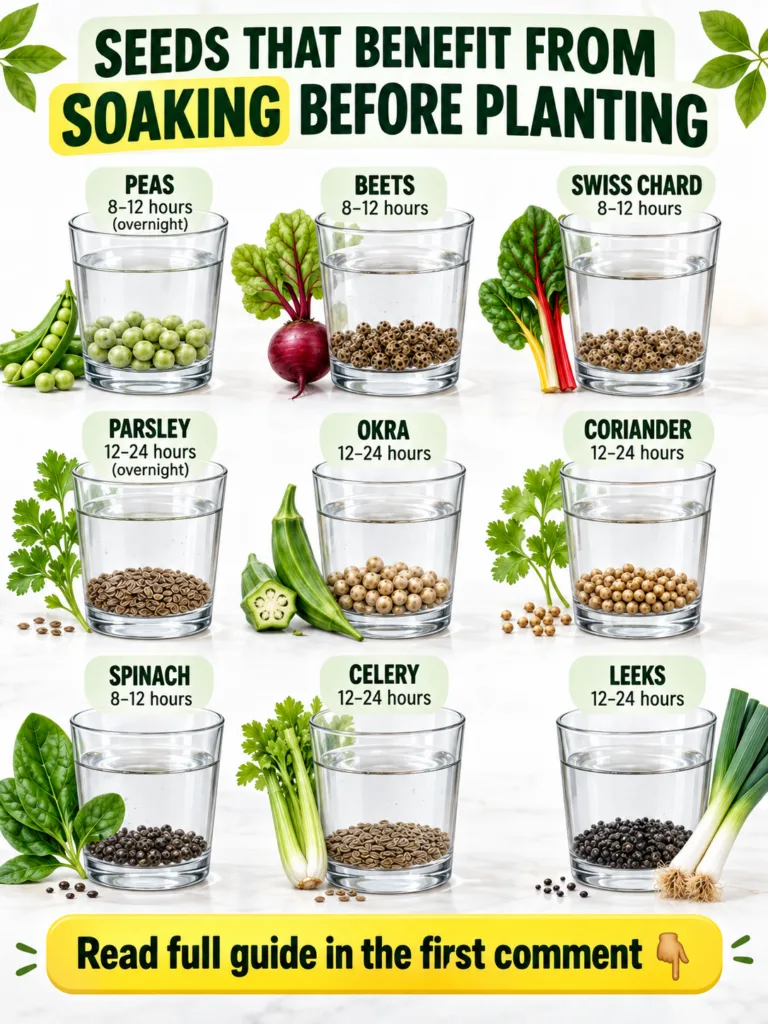
While not all seeds benefit from pre-soaking, many do, especially those with hard coats or a tendency for slow germination. Here are some common garden favorites that will appreciate a good soak:
- Legumes: Peas and beans (like green beans, pole beans, and bush beans) often have tough coats that benefit greatly from soaking.
- Cucurbits: Pumpkins, squash, cucumbers, and melons can all see improved germination rates with a pre-soak.
- Hard-Coated Vegetables: Beets, Swiss chard, spinach, and corn are excellent candidates.
- Umbellifers: Parsley, carrots, and celery, which are often slow to germinate, can get a boost.
- Other Notable Seeds: Okra, leeks, and coriander (cilantro) are also known to respond well to pre-soaking.
Always check specific recommendations for your seed varieties, as soaking times can vary.
Your Guide to Pre-Soaking Seeds
The Classic Water Bath
The most common and effective method is a simple soak in lukewarm water. Here’s how:
- Choose Your Container: A small bowl, cup, or even a glass jar works perfectly.
- Add Lukewarm Water: Use dechlorinated water if possible (let tap water sit out for 24 hours, or use distilled/rainwater). Lukewarm water can help stimulate the seed more than cold water.
- Submerge Seeds: Place your seeds into the water. Ensure they are fully covered.
- Soak Time: This is crucial! Most seeds benefit from a soak lasting anywhere from 8 to 24 hours. Very hard-coated seeds might tolerate up to 48 hours, but never longer than that without changing the water. Over-soaking can drown the embryo or cause them to rot. For specific seeds like peas or beans, 12-24 hours is often ideal.
- Drain and Plant: After the soaking period, drain the water thoroughly. Your seeds might look slightly swollen – this is a good sign! Plant them immediately into your prepared seed-starting mix or garden bed. Do not let them dry out.
Beyond Water: Advanced Soaking Techniques
For particularly stubborn seeds, you might consider these alternatives:
- Chamomile Tea Soak: A weak solution of chamomile tea has mild antifungal properties that can help prevent damping-off disease in young seedlings. Brew a weak tea, let it cool completely, and use it as your soaking liquid.
- Hydrogen Peroxide Solution: A very diluted solution (e.g., 1 part 3% hydrogen peroxide to 9 parts water) can help to oxygenate the water and further break down tough seed coats. Use this method with caution and for shorter durations (4-8 hours).
Seeds to Skip the Soak
Just as some seeds love a soak, others should absolutely avoid it! Seeds that are very small, have a very thin coat, or are known to germinate quickly typically do not need pre-soaking and can even be harmed by it. Examples include:
- Lettuce
- Carrots (unless specifically recommended and for short periods)
- Radishes
- Most herbs with tiny seeds (e.g., thyme, oregano)
- Many flower seeds with delicate structures
When in doubt, always refer to the specific planting instructions on your seed packet.
Expert Tips for Pre-Soaking Success
- Don’t Over-Soak: This is the most common mistake. Too long in water can deprive seeds of oxygen, leading to rot or suffocation. Stick to the recommended times.
- Plant Immediately: Once soaked, seeds are primed for germination. Plant them without delay.
- Gentle Handling: Soaked seeds are often softer and more delicate. Handle them carefully to avoid damage.
- Temperature Matters: Use lukewarm water, not hot or cold, as extreme temperatures can shock the seeds.
- Air Circulation: If soaking for more than 24 hours (rarely recommended), consider changing the water every 12-24 hours to re-oxygenate it.
- No Light: Keep soaking seeds in a dark place or covered, as light can sometimes inhibit germination at this stage.
Pre-soaking seeds is a simple, organic technique that can dramatically improve your gardening success. By understanding which seeds benefit and following a few easy steps, you can unlock better growth, enjoy higher germination rates, and ultimately, a more abundant and beautiful garden. Happy planting!