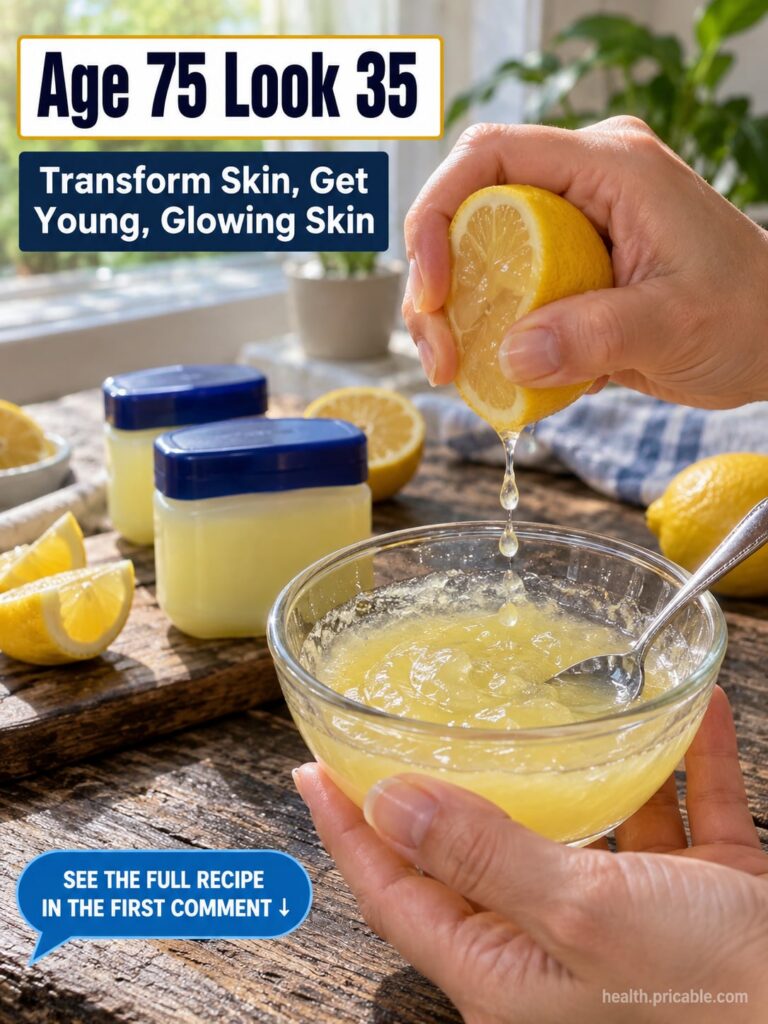
This article directly addresses the popular, yet dangerous, viral hack of mixing Vaseline and lemon for skin. Many beauty hacks promise quick fixes for glowing, youthful skin. One such viral trend suggests mixing Vaseline with lemon juice and applying it to your face or body. While the idea might sound appealing for brightening and moisturizing, this combination carries significant risks that can harm your skin.
Quick Overview
- Purpose: To warn against and explain the risks of using Vaseline and lemon on the skin.
- Best for: Understanding skincare safety and avoiding common DIY mistakes.
- Avoid for: Achieving glowing skin safely; this mix is not recommended.
- Main concerns: Phototoxicity, skin irritation, hyperpigmentation (dark spots).
The Viral Vaseline and Lemon Skin Hack Explained
Many beauty hacks promise quick fixes for glowing, youthful skin. One such viral trend suggests mixing Vaseline with lemon juice and applying it to your face or body. While the idea might sound appealing for brightening and moisturizing, this combination carries significant risks that can harm your skin.
Why This Mix Is Dangerous
Combining Vaseline and lemon juice creates a potent, risky concoction for several reasons:
Lemon Juice and Phototoxicity
Lemon juice, like other citrus fruits, contains compounds called furocoumarins. When these compounds come into contact with your skin and are then exposed to ultraviolet (UV) light (from the sun or tanning beds), they can cause a severe reaction known as phytophotodermatitis. This reaction can lead to:
- Severe sunburns: Far worse than a typical sunburn, potentially causing blistering and pain.
- Hyperpigmentation: Dark spots or patches that can last for months or even years. This is particularly concerning for those trying to achieve “glowing” or “even-toned” skin, as it can worsen existing discoloration or create new ones.
- Intense irritation: Redness, itching, and a burning sensation.
Vaseline and Occlusion
Vaseline (petroleum jelly) is an occlusive agent. This means it forms a protective barrier on the skin, preventing moisture loss. While this can be beneficial for very dry skin or healing wounds, when combined with a phototoxic ingredient like lemon juice, it creates a dangerous situation:
- Traps irritants: The occlusive layer can trap the furocoumarins and acids from the lemon juice against your skin, intensifying their harmful effects and making it harder for your skin to breathe or dilute the irritants.
- Increases penetration: Some suggest that occlusion might enhance the penetration of certain substances into the skin, potentially increasing the severity of the phytophotodermatitis reaction.

What Results to Expect (The Bad Kind)
Instead of the youthful, glowing skin promised by viral hacks, using Vaseline and lemon can lead to:
- Immediate discomfort: Burning, stinging, redness, and itching.
- Severe sunburn: Painful blisters and peeling, even after minimal sun exposure.
- Persistent dark spots: Post-inflammatory hyperpigmentation that is difficult and slow to fade. These dark spots can be more prominent and last longer than typical sunspots.
- Sensitized skin: Your skin may become more reactive and prone to irritation over time.
Safer Alternatives for Glowing Skin
Achieving healthy, glowing skin doesn’t require risky DIY experiments. Focus on a consistent and safe skincare routine:
- Hydration: Use a good moisturizer suitable for your skin type. Vaseline can be used sparingly as an occlusive over other hydrating products, but not with irritants.
- Sun protection: Daily use of broad-spectrum sunscreen with an SPF of 30 or higher is crucial to prevent dark spots and sun damage.
- Gentle exfoliation: Incorporate gentle chemical exfoliants like AHAs (glycolic acid, lactic acid) or BHAs (salicylic acid) at appropriate concentrations, or mild physical exfoliants, to brighten skin and improve texture. Always introduce new products slowly.
- Vitamin C serums: A well-formulated Vitamin C serum can safely brighten skin and reduce the appearance of dark spots, without the risks associated with raw lemon juice.
- Consult a professional: If you’re concerned about hyperpigmentation or other skin issues, a dermatologist can provide personalized advice and safe treatment options.
Safety Notes
- Never apply raw citrus juices to your skin, especially before sun exposure. This includes lemon, lime, and bergamot.
- Always do a patch test: Even with safe ingredients, testing a small, inconspicuous area of your skin for 24-48 hours before full application is wise.
- Listen to your skin: If you experience any burning, itching, redness, or discomfort, immediately wash off the product and discontinue use.
- Seek medical advice: If you experience severe reactions like blistering, intense pain, or persistent dark spots, consult a doctor or dermatologist.
FAQ
Can I use lemon on my skin at night to avoid sun exposure?
While avoiding sun exposure immediately after applying lemon juice might reduce the risk of phytophotodermatitis, the acids in lemon can still cause irritation, dryness, and sensitization, especially on sensitive skin. It’s generally not recommended for direct skin application.
What if I’ve already tried the Vaseline and lemon hack?
If you’ve used this mixture and haven’t experienced severe reactions, consider yourself lucky. Immediately stop using it. If you notice any redness, irritation, or dark spots appearing, protect your skin from the sun, apply a gentle moisturizer, and consider consulting a dermatologist.
Are there any safe ways to use lemon in DIY beauty?
It’s best to avoid direct application of raw lemon juice to the skin. Some commercial products might contain very small, diluted amounts of lemon extract or citric acid, but these are formulated to be safe and pH-balanced. For at-home use, stick to safer, proven ingredients for brightening, like diluted apple cider vinegar or specific skincare products containing stabilized Vitamin C.
Final Thoughts
The allure of viral beauty hacks is strong, but not all trends are safe or beneficial. The Vaseline and lemon mix is a prime example of a DIY remedy that carries significant risks of irritation and lasting dark spots. Prioritize your skin’s health by opting for scientifically backed ingredients and gentle routines. Always research and understand the potential dangers before trying new beauty hacks. Share this warning to help others avoid potential skin damage!