Optimizing Your Meals: Best Times to Eat Everyday Foods
Have you ever paused to wonder if there’s a ‘right’ time to enjoy your favorite foods? While the idea of eating certain foods at specific times might seem unusual, research suggests that timing can indeed play a role in how your body processes nutrients, affects your energy levels, and even impacts your sleep. It’s not just about *what* you eat, but also *when* you eat it!
In this guide, we’ll dive into the optimal and less-than-optimal times to enjoy some common foods. You’ll learn how to fine-tune your eating habits to maximize benefits, improve digestion, and feel your best throughout the day. Let’s make every bite count!
Why Food Timing Matters
Our bodies operate on a natural rhythm, known as the circadian rhythm, which influences everything from sleep cycles to metabolism. Eating in sync with this rhythm can enhance digestion, improve nutrient absorption, manage blood sugar, and contribute to better overall health. Conversely, eating certain foods at the ‘wrong’ time might lead to discomfort, energy dips, or disrupted sleep.
Key Principles of Food Timing
- Digestion: Some foods are easier to digest than others. Heavier foods might be better earlier in the day when your metabolism is more active.
- Energy Levels: Strategic food timing can help maintain steady energy, preventing midday slumps or late-night jitters.
- Nutrient Absorption: Certain nutrients are better absorbed at different times or in combination with other foods.
- Sleep Quality: Eating too close to bedtime or consuming stimulating foods late can interfere with restful sleep.

Optimal Timing for Common Foods
Let’s break down some everyday foods and discover the best times to enjoy them for maximum benefits.
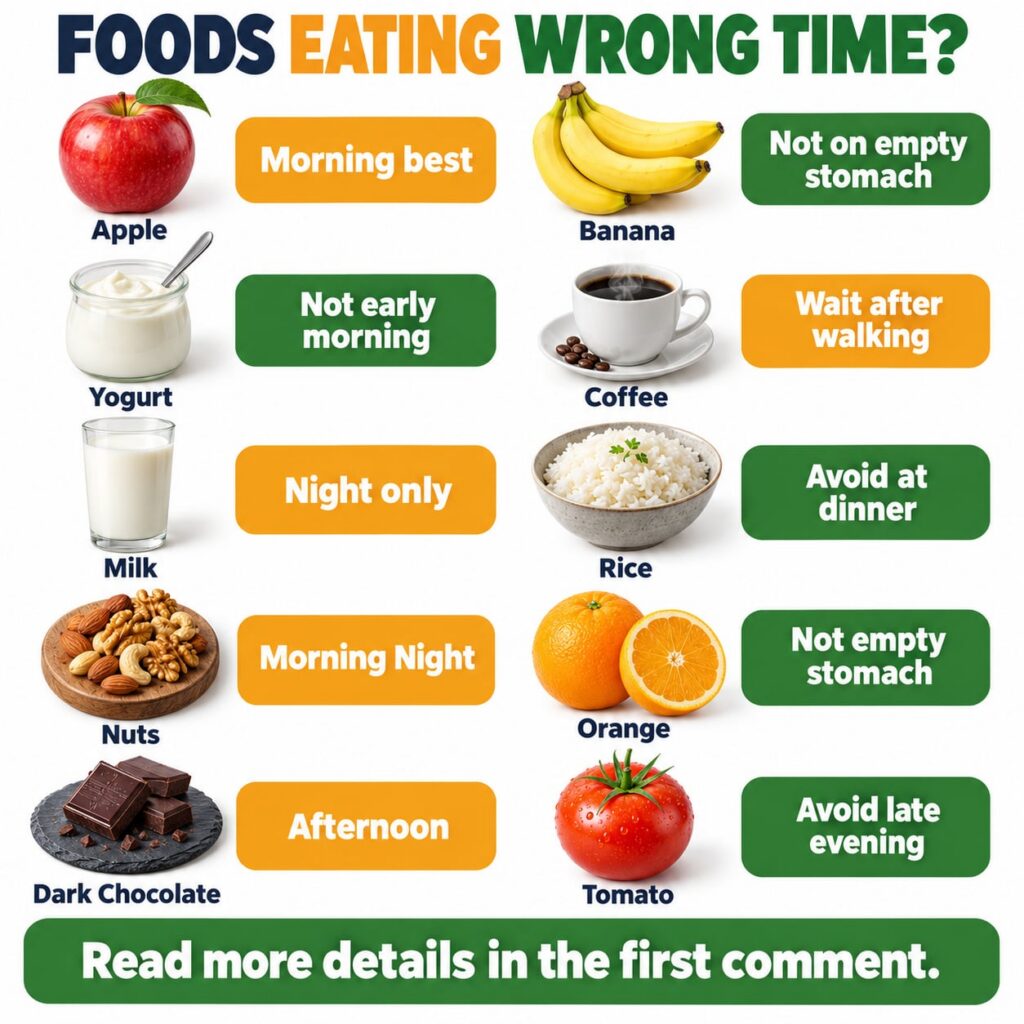
Apples
Best Time: Morning
- Why: Apples are rich in fiber, particularly pectin, which can aid digestion and promote satiety. Eating them in the morning can kickstart your metabolism and provide a natural sugar boost for energy without a sudden crash. The fiber also helps regulate bowel movements throughout the day.
Yogurt
Best Time: Morning or Night
- Why: Yogurt, especially Greek yogurt or varieties with live and active cultures, is an excellent source of probiotics, which are beneficial for gut health. Enjoying it in the morning can support digestive function throughout the day. As a light, protein-rich snack or dessert, it can also be a good choice in the evening, as its calcium and protein may contribute to feelings of fullness and relaxation before bed.
Milk
Best Time: Night Only
- Why: While milk provides essential calcium and vitamin D, some find it a bit heavy for morning consumption, especially if prone to digestive issues. Consuming a glass of warm milk before bed is a traditional remedy for sleep, as it contains tryptophan, an amino acid that can promote relaxation and melatonin production, aiding in a more restful sleep.
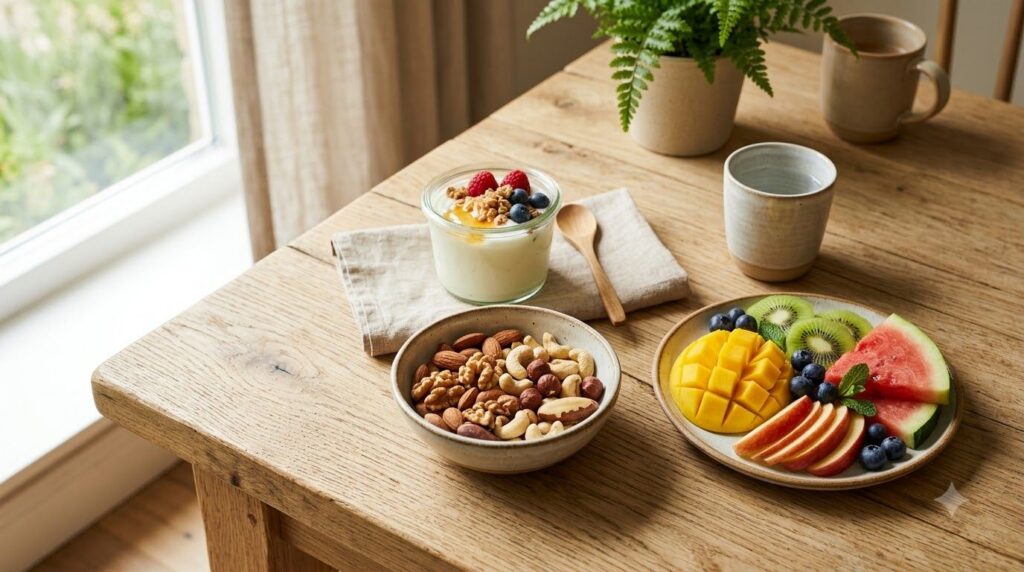
Nuts
Best Time: Afternoon
- Why: Nuts are packed with healthy fats, protein, and fiber, making them an excellent choice for an afternoon snack. They can help curb hunger between meals, provide sustained energy, and prevent the typical midday energy slump without causing a sugar spike. Their high fat and calorie content means they might be less ideal right before bed.
Dark Chocolate
Avoid: Late Evening
- Why: Dark chocolate is celebrated for its antioxidants and potential heart health benefits. However, it also contains caffeine and small amounts of the stimulant theobromine. Enjoying it earlier in the day as a treat is fine, but consuming it late in the evening might interfere with sleep for sensitive individuals.
Bananas
Avoid: Early Morning, Not on Empty Stomach
- Why: Bananas are a fantastic source of potassium and quick energy, making them great for a pre- or post-workout snack. However, eating them on an empty stomach first thing in the morning might not be ideal for everyone. Their high sugar content can lead to a rapid insulin spike, followed by a potential crash, and their acidity might cause discomfort for some sensitive stomachs. Pairing them with healthy fats or proteins (like yogurt or nuts) can help buffer these effects.
Coffee
Best Time: Wait after Waking
- Why: Many of us reach for coffee first thing, but waiting an hour or two after waking might be more beneficial. Upon waking, your body naturally produces cortisol, a hormone that boosts alertness. Drinking coffee immediately can interfere with this natural process and might lead to a greater crash later. Waiting allows your natural cortisol levels to peak and then decline before you introduce external caffeine, potentially leading to more sustained energy.
Rice
Avoid: At Dinner (especially large portions)
- Why: Rice, particularly white rice, is a carbohydrate-dense food that provides quick energy. While it’s a staple for many, consuming large portions at dinner, especially if you have a sedentary evening, can lead to the body storing excess carbohydrates as fat. It may also contribute to blood sugar spikes. Opt for smaller portions or brown rice, which has more fiber, if you enjoy it in the evening.
Oranges
Avoid: On Empty Stomach
- Why: Oranges are a vitamin C powerhouse, but their high acidity can be harsh on an empty stomach for some people, potentially causing heartburn or digestive upset. It’s often better to enjoy oranges after a meal or alongside other foods that can help buffer their acidity.
Tomatoes
Avoid: Late Evening
- Why: Tomatoes are nutritious, rich in antioxidants like lycopene. However, like oranges, they are quite acidic. Consuming them too close to bedtime, especially in large quantities or in acidic sauces, can trigger acid reflux or heartburn for some individuals, making it harder to sleep comfortably.
Common Mistakes in Food Timing
- Skipping Breakfast: Missing the first meal often leads to overeating later in the day and can disrupt metabolism.
- Eating Heavy Meals Late at Night: This can strain your digestive system and interfere with sleep, as your body is working hard to digest instead of resting.
- Snacking Mindlessly: While snacks are good, constant grazing can lead to excess calorie intake and prevent your digestive system from resting.
- Ignoring Your Body’s Cues: Everyone is different. Pay attention to how certain foods at different times make *you* feel.
Practical Tips for Optimizing Your Eating Schedule
- Listen to Your Body: The most important advice is to pay attention to your hunger and fullness cues. These guidelines are general, but your individual response is key.
- Plan Ahead: Meal prepping and planning your snacks can help you make healthier, timely choices throughout the day.
- Hydrate: Sometimes thirst is mistaken for hunger. Drink water throughout the day.
- Balance Your Meals: Ensure each meal includes a balance of protein, healthy fats, and complex carbohydrates to promote satiety and stable energy.
- Eat Mindfully: Slow down and savor your food. This helps with digestion and allows your brain to register fullness.
- Give Your Digestion a Break: Try to create a window of 12-14 hours overnight where you are not eating, allowing your digestive system to rest and repair.
FAQs About Food Timing
Q1: Is intermittent fasting a good way to manage food timing?
Intermittent fasting (IF) is a popular approach that involves restricting eating to specific windows. It can be a powerful tool for some in managing weight and improving metabolic health, but it’s not for everyone. Consult with a healthcare professional to see if IF is suitable for your individual needs.
Q2: Can eating late at night always lead to weight gain?
Not necessarily. While eating a heavy, high-calorie meal right before bed can contribute to weight gain, it’s the total daily calorie intake and quality of food that matter most. However, late-night eating can disrupt digestion and sleep, which indirectly impacts metabolism.
Q3: Should I avoid all carbs in the evening?
No, not all carbs. Complex carbohydrates like whole grains, vegetables, and legumes can be part of a balanced dinner. They provide fiber and sustained energy. The key is portion control and choosing less processed options, especially if you’re not very active in the evenings.
Q4: What’s a good pre-bedtime snack if I’m hungry?
Opt for something light, easily digestible, and rich in tryptophan or magnesium. Examples include a small banana, a handful of almonds, a glass of warm milk, or a small bowl of plain yogurt. Avoid sugary, fatty, or spicy foods.
Q5: How long before bedtime should I stop eating?
Generally, it’s recommended to finish your last meal or significant snack about 2-3 hours before you plan to go to sleep. This gives your body enough time to digest your food and prevents issues like acid reflux or discomfort that could disrupt sleep.
Q6: Does fruit timing matter?
For most people, fruit can be enjoyed at any time. However, for those with sensitive stomachs or blood sugar concerns, highly acidic or very sweet fruits might be better consumed with other foods or not on an empty stomach, as discussed with oranges and bananas.
Conclusion
Understanding the optimal times to eat certain foods isn’t about rigid rules, but about developing a more intuitive and beneficial relationship with your meals. By making conscious choices about when you eat, you can enhance your digestion, maintain steady energy levels, and improve your overall well-being.
Experiment with these suggestions and pay attention to how your body responds. Small adjustments can lead to significant improvements in how you feel every day. Ready to explore more ways to boost your health? Dive into our other articles for delicious recipes and smart nutrition tips!
This content is for educational purposes only and should not be considered medical advice. Consult a qualified healthcare professional for personalized dietary recommendations.