Ever wonder why a good laugh, a warm hug, or a tasty treat can instantly brighten your day? It’s all thanks to an incredible quartet of chemicals in your brain, often called your “happiness hormones.” These natural messengers — dopamine, oxytocin, serotonin, and endorphins — play a crucial role in regulating your mood, motivation, pleasure, and overall well-being.
Understanding how these hormones work and, more importantly, how to naturally boost them through everyday activities can empower you to take charge of your emotional health. In this guide, we’ll explore each of these powerful chemicals and discover simple, science-backed ways to invite more joy and contentment into your life.
Get ready to learn practical tips and easy strategies to enhance your mood and cultivate a happier, healthier you!
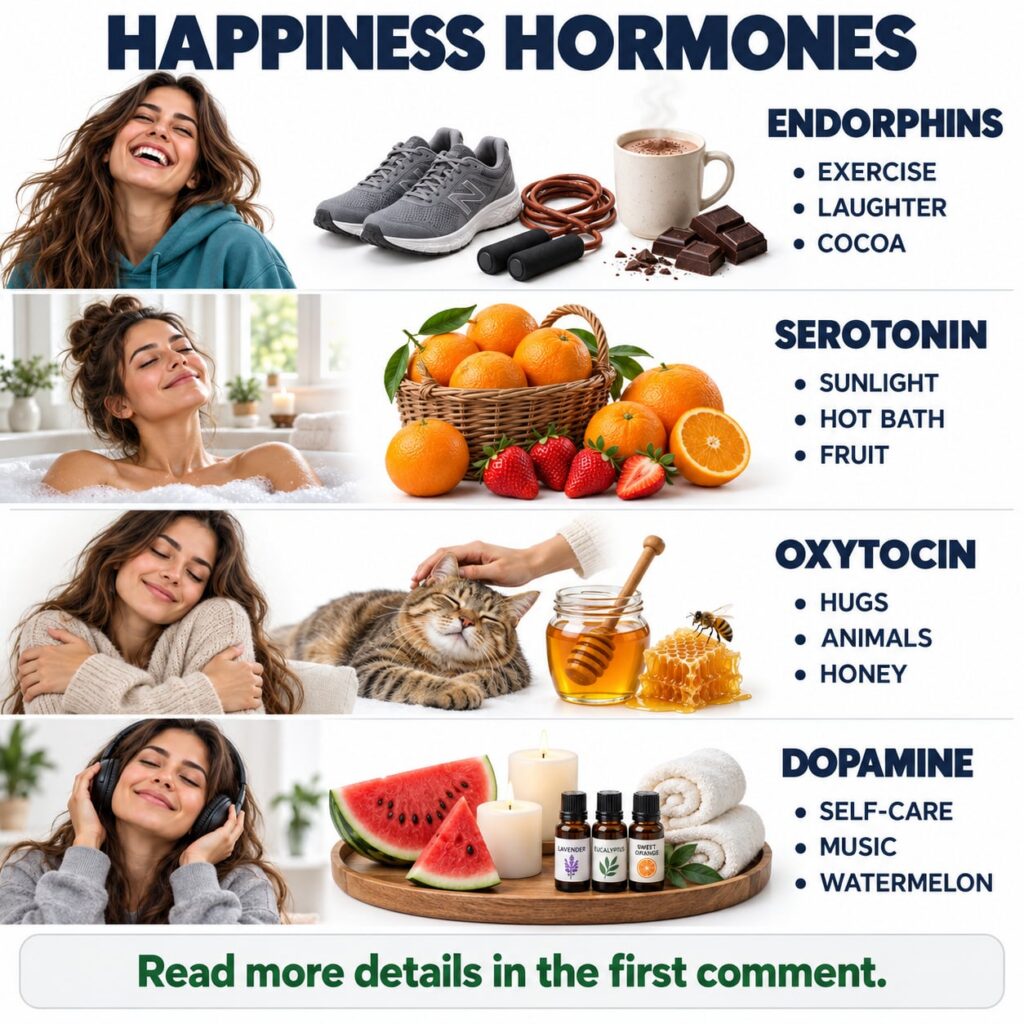
What Are Happiness Hormones?
Happiness hormones are neurotransmitters and hormones that work together to influence your emotions and mental state. They are produced naturally in your body and can be stimulated through various activities, foods, and interactions. While they each have unique functions, their combined efforts contribute to feelings of pleasure, connection, calm, and overall happiness.
Dopamine: The Reward & Motivation Hormone
Dopamine is often called the “reward” hormone. It plays a key role in motivation, pleasure, and learning. When you achieve a goal, eat delicious food, or engage in enjoyable activities, dopamine is released, giving you a sense of satisfaction and encouraging you to repeat those behaviors.
- Benefits: Increased motivation, focus, pleasure, and a sense of reward.
- How to Boost It:
- Set and achieve small goals: Completing tasks, no matter how small, triggers dopamine release.
- Celebrate small victories: Acknowledge your accomplishments.
- Eat protein-rich foods: Tyrosine, an amino acid found in protein, is a precursor to dopamine.
- Get enough sleep: Sleep deprivation can reduce dopamine sensitivity.
- Listen to music: Enjoyable music can activate dopamine pathways.
Oxytocin: The Love & Bonding Hormone
Oxytocin is often referred to as the “love hormone” or “cuddle hormone” because it’s released during social bonding. It promotes feelings of trust, empathy, and attachment, strengthening relationships.
- Benefits: Fosters social bonding, trust, empathy, and reduces stress.
- How to Boost It:
- Physical touch: Hugs, cuddles, or holding hands with loved ones.
- Social interaction: Spend quality time with friends and family.
- Acts of kindness: Helping others or receiving help.
- Petting animals: Interacting with pets can release oxytocin.
- Massage: Professional or self-massage can be beneficial.

Serotonin: The Mood Stabilizer
Serotonin is crucial for stabilizing mood, feelings of well-being, and happiness. It influences your sleep, digestion, appetite, and learning ability. Low levels of serotonin are often associated with mood imbalances.
- Benefits: Mood regulation, improved sleep, reduced anxiety, and enhanced feelings of calm.
- How to Boost It:
- Sunlight exposure: Spend time outdoors, especially in the morning.
- Exercise regularly: Physical activity has a positive impact on serotonin levels.
- Eat tryptophan-rich foods: Foods like eggs, cheese, turkey, nuts, and seeds contain tryptophan, which converts to serotonin.
- Practice mindfulness: Meditation and yoga can help manage stress and support serotonin.
- Gut health: A significant amount of serotonin is produced in the gut, so prioritize a healthy diet rich in fiber and probiotics.
Endorphins: The Natural Pain Relievers
Endorphins are your body’s natural painkillers and mood elevators. They are released in response to pain, stress, or strenuous exercise, creating a feeling of euphoria often known as a “runner’s high.”
- Benefits: Pain relief, reduced stress, feelings of euphoria, and improved mood.
- How to Boost It:
- Exercise: Engage in moderate to intense physical activity.
- Laughter: Watch a funny movie or spend time with humorous friends.
- Eat spicy foods: Capsaicin, found in chili peppers, can trigger endorphin release.
- Dark chocolate: Enjoying a piece of dark chocolate may have an endorphin-boosting effect.
- Sexual activity: This can also lead to an endorphin rush.

Practical Tips for a Happier Life
Incorporating these mood-boosting strategies into your daily routine doesn’t have to be complicated. Small, consistent efforts can make a big difference.
- Start Your Day with Sunlight: Open your blinds or step outside for a few minutes each morning.
- Move Your Body: Find an activity you enjoy, whether it’s walking, dancing, or cycling.
- Connect with Loved Ones: Prioritize quality time with family and friends.
- Nourish Your Body: Eat a balanced diet rich in whole foods, lean proteins, fruits, and vegetables.
- Practice Gratitude: Take a moment each day to appreciate what you have.
- Get Enough Sleep: Aim for 7-9 hours of quality sleep per night.
- Mindful Moments: Incorporate short meditation or deep breathing exercises.
- Laughter is the Best Medicine: Seek out humor and fun activities.

FAQs About Happiness Hormones
Q1: Can certain foods really boost my happiness hormones?
Yes, foods rich in certain nutrients can support the production of happiness hormones. For example, tryptophan-rich foods (like turkey, eggs, nuts) are precursors to serotonin, while tyrosine-rich foods (like lean meats, dairy) support dopamine production. Omega-3 fatty acids also play a role in brain health.
Q2: How quickly can I feel the effects of boosting these hormones?
Some effects can be felt quite quickly, such as the immediate mood lift from exercise (endorphins) or the warmth of a hug (oxytocin). Other changes, like consistent mood stabilization from serotonin, often require regular, sustained efforts over time.
Q3: Is there a “most important” happiness hormone?
No, all four — dopamine, oxytocin, serotonin, and endorphins — are vital and work together in complex ways. A balanced approach to boosting all of them through diverse activities and a healthy lifestyle is generally the most effective strategy for overall well-being.
Q4: Can supplements help boost happiness hormones?
While some supplements (like 5-HTP for serotonin or L-tyrosine for dopamine) exist, it’s always best to consult a healthcare professional before taking them. Natural methods like diet, exercise, and lifestyle changes are often recommended as a first approach.
Q5: What if I don’t feel happy even after trying these tips?
It’s important to remember that these tips support natural mood regulation. If you’re experiencing persistent feelings of sadness, anxiety, or depression, it’s crucial to seek professional help from a doctor or mental health specialist. These tips are not a substitute for medical advice or treatment.
Conclusion
Your happiness is a powerful, intricate dance of brain chemistry, lifestyle choices, and daily habits. By understanding the roles of dopamine, oxytocin, serotonin, and endorphins, you gain valuable insights into how to naturally enhance your mood and overall sense of well-being.
Remember, small changes can lead to significant improvements. Embrace the joy of movement, savor nutritious foods, deepen your connections with others, and take moments for mindfulness. These practices are not just about temporary boosts — they’re about cultivating a sustainable foundation for a happier, healthier life.
Ready to explore more ways to feel great? Dive into our other articles on healthy eating, mindful living, and delicious recipes to support your journey!
This content is for educational purposes only and should not be considered medical advice. Consult a qualified healthcare professional for personalized dietary recommendations.

