Imagine plucking plump, juicy grapes right from your own backyard! Growing your own grapes is a truly rewarding experience, offering not just a delicious snack but also a beautiful addition to your garden landscape. While it might seem daunting, with a few essential tips, you can cultivate a thriving grapevine that yields nature’s sweetness year after year. Let’s dig in and discover how to grow sweet grapes in your garden!
1. Choosing the Right Grape Variety for Your Climate
The first step to successful grape growing is selecting a variety suited to your local climate and growing conditions. Grapes are generally categorized into three main types:
- American Grapes (e.g., Concord, Niagara): These are often hardier, more disease-resistant, and can tolerate colder climates. They’re great for fresh eating, juices, and jellies.
- European Grapes (e.g., Chardonnay, Merlot, Thompson Seedless): These prefer warmer climates with long, hot summers. They are prized for winemaking and as table grapes. They tend to be more susceptible to pests and diseases.
- Muscadine Grapes (Southern US): Known for their thick skin and distinctive flavor, these thrive in hot, humid climates and are highly disease-resistant.
Research varieties that flourish in your specific USDA hardiness zone and consider what you want to use your grapes for. Do you want fresh eating, juice, or maybe even a homemade wine?
2. Site Selection and Soil Preparation
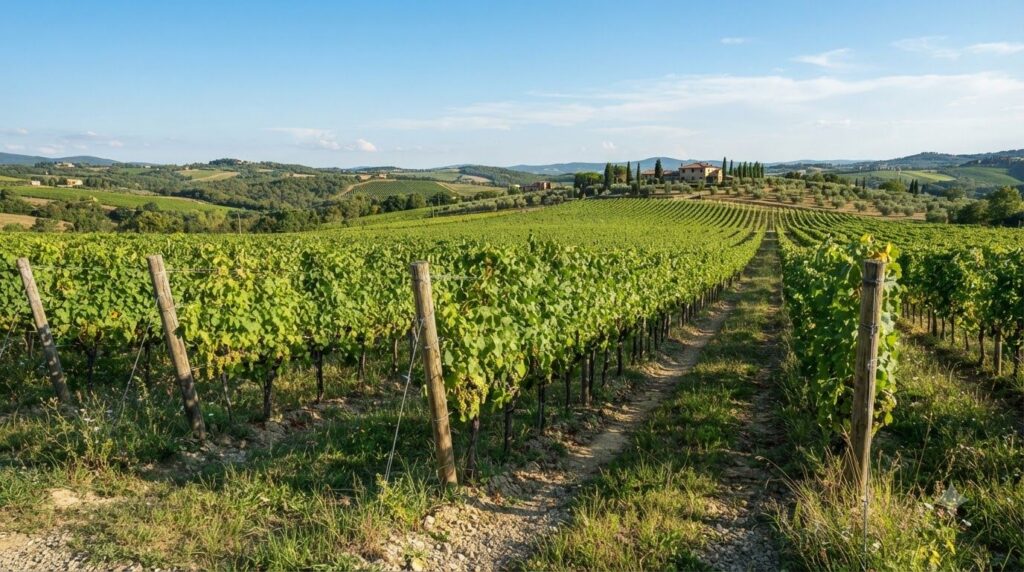
Grapes love sunshine! Choose a site in your garden that receives at least 6-8 hours of direct sunlight daily. Good air circulation is also important to prevent fungal diseases.
When it comes to soil, grapes prefer well-drained loamy soil with a pH between 6.0 and 7.0. If your soil is heavy clay, amend it with organic matter like compost, peat moss, or aged manure to improve drainage. Sandy soils can also benefit from organic matter to help retain moisture and nutrients. A soil test is always a good idea to understand your soil’s composition and nutrient levels.
3. Planting Your Grapes
The best time to plant grapevines is in early spring after the last frost, when the soil begins to warm up. Bare-root plants are commonly available and should be planted as soon as they arrive. Dig a hole wide and deep enough to accommodate the roots without bending them. Place the plant in the hole, spreading the roots evenly, and backfill with soil, ensuring the graft union (if present) is about 2 inches above the soil line. Water thoroughly after planting.
4. Trellising and Pruning: Essential for Grape Production
Grapes are vining plants and require support to grow properly. A strong trellis, arbor, or fence is crucial for guiding their growth, maximizing sun exposure, and improving air circulation. Install your support structure before planting or soon after.
Pruning is perhaps the most critical aspect of growing sweet grapes. Proper pruning encourages fruit production, maintains vine health, and prevents overcrowding. Grapes typically fruit on one-year-old wood. There are two main pruning methods:
- Cane Pruning: Popular for many grape varieties, this involves selecting 2-4 strong canes (current year’s growth) and cutting them back to 8-12 buds each, while removing most other growth.
- Spur Pruning: More suited for certain varieties, this involves training permanent cordons (arms) and pruning back short spurs (2-3 buds) along these cordons.
Prune in late winter or early spring while the vine is dormant. Don’t be afraid to prune aggressively; it’s essential for a bountiful harvest!
5. Watering and Fertilizing
Young grapevines need consistent moisture to establish their root systems. Water deeply once or twice a week, especially during dry spells. Established vines are more drought-tolerant but will benefit from watering during fruit development. Avoid overhead watering, which can encourage fungal diseases.
For fertilizing, a balanced fertilizer (like 10-10-10) can be applied in early spring. Once the vine is established, consider a fertilizer higher in phosphorus and potassium to encourage fruit development. Always follow package instructions and avoid over-fertilizing, which can promote leafy growth at the expense of fruit.
6. Pest and Disease Management
While grapevines are generally robust, they can be susceptible to pests like Japanese beetles, grape berry moths, and birds, as well as diseases like powdery mildew, downy mildew, and black rot. Regular monitoring is key to early detection.
- Pests: Hand-picking smaller pests, using netting to deter birds, or applying organic insecticides like neem oil can be effective.
- Diseases: Ensure good air circulation through proper pruning, avoid overhead watering, and consider organic fungicides if necessary. Planting disease-resistant varieties is your first line of defense.
7. Harvesting Your Sweet Grapes
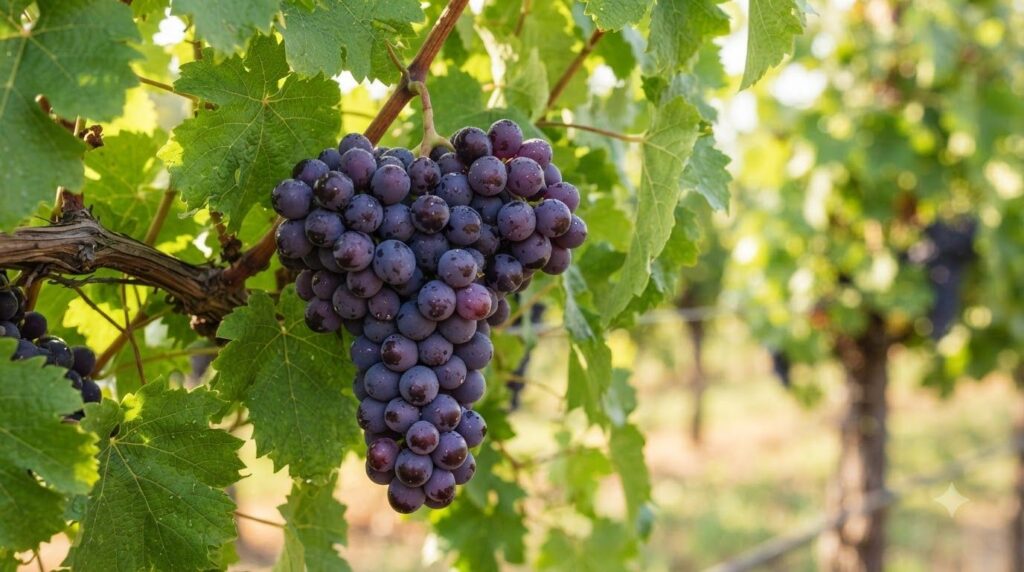
Grapes don’t ripen further once picked, so it’s crucial to harvest them at the right time. The ripening period varies by variety, but generally occurs in late summer or early fall. Look for these signs of ripeness:
- Color: Grapes should have their characteristic color (deep purple, golden yellow, red, etc.).
- Taste: Sample a grape! It should be sweet and flavorful, not tart.
- Texture: Plump and slightly soft to the touch.
- Ease of Picking: Ripe grapes will detach easily from the stem.
Use a pair of clean shears or scissors to cut the entire bunch from the vine, leaving a bit of stem attached to the grapes. Handle them gently to avoid bruising.
Embrace the Sweet Reward!
Growing your own grapes is a journey of patience and care, but the reward of fresh, sweet, homegrown fruit is absolutely worth it. With the right variety, a sunny spot, consistent pruning, and a little love, you’ll be enjoying nature’s sweetness straight from your garden. Happy gardening!