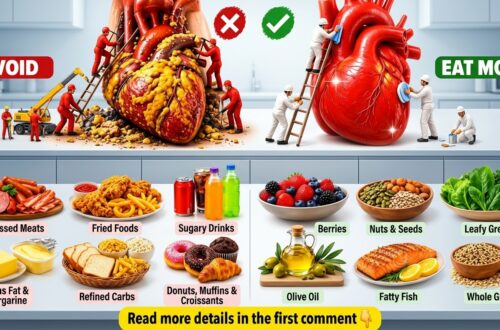
Unlock the Power of Red Foods: Boost Health & Vitality
Ever notice how some foods just pop with color? Red foods, with their vibrant hues, are more than just a feast for the eyes. They’re packed with powerful nutrients that can make a real difference to your health. From juicy strawberries to tangy tomatoes, these crimson delights are nutritional powerhouses you’ll want to add to your plate.
In this article, we’ll explore why red foods are so beneficial, dive into the key nutrients they offer, and share practical ways to incorporate more of them into your daily diet. Get ready to discover how these colorful ingredients can support your heart, boost your immune system, and help you feel your best.
The Amazing Benefits of Red Foods
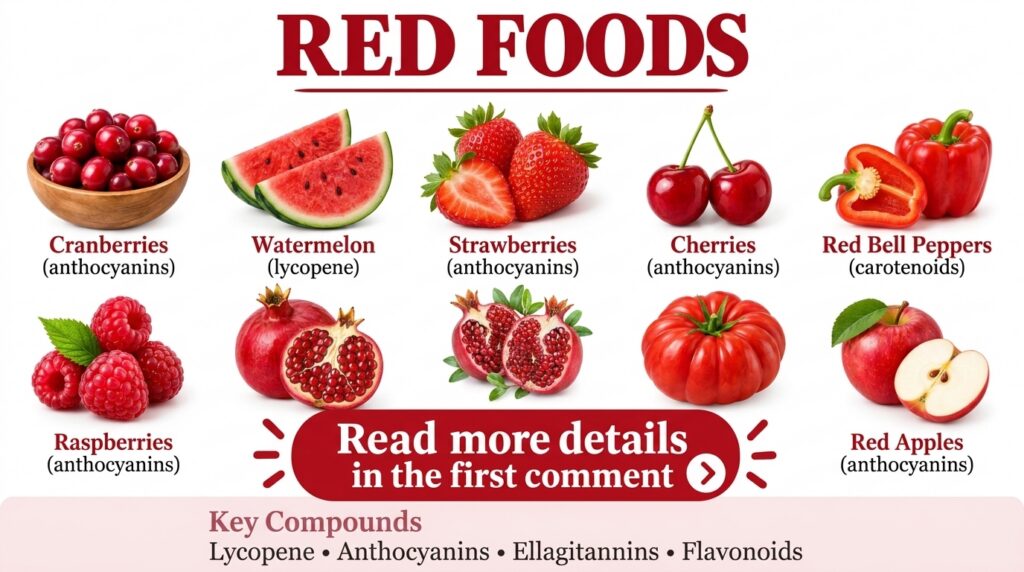
What makes red foods so special? Their vibrant color comes from natural plant pigments called phytonutrients, primarily anthocyanins and lycopene. These compounds aren’t just pretty; they offer a wide range of health-supporting properties.
Heart Health Heroes
Many red foods are excellent for your cardiovascular system. Lycopene, abundant in tomatoes and watermelon, is a powerful antioxidant associated with a reduced risk of heart disease. Anthocyanins, found in berries and cherries, may help improve blood vessel function and lower blood pressure.
Powerful Antioxidants
Red foods are often loaded with antioxidants that help protect your cells from damage caused by free radicals. This “oxidative stress” can contribute to aging and various chronic diseases. By neutralizing free radicals, these antioxidants can support overall cellular health.
Inflammation Fighters
Chronic inflammation is at the root of many health problems. The phytonutrients in red foods, especially anthocyanins, exhibit strong anti-inflammatory properties that may help reduce inflammation throughout the body.
Immune System Boosters
Many red fruits and vegetables are rich in Vitamin C, a well-known immune booster. From red bell peppers to strawberries, these foods can help strengthen your body’s natural defenses against illness.
Top Red Foods and Their Nutritional Power
Let’s take a closer look at some of the best red foods and what they bring to your plate:
| Food | Main Nutrients | Best Benefit |
|---|---|---|
| Strawberries | Vitamin C, Manganese, Anthocyanins | Immune support, antioxidant protection |
| Tomatoes | Lycopene, Vitamin C, Potassium | Heart health, skin protection |
| Watermelon | Lycopene, Citrulline, Vitamin C | Hydration, muscle recovery |
| Cherries | Anthocyanins, Melatonin | Anti-inflammatory, may aid sleep |
| Red Bell Peppers | Vitamin C, Vitamin A, Vitamin B6 | Immune system, eye health |
| Raspberries | Fiber, Vitamin C, Ellagic Acid | Digestive health, potent antioxidants |
| Pomegranates | Punicalagins, Vitamin C, Vitamin K | Powerful antioxidants, heart health |
| Red Apples | Fiber, Quercetin, Vitamin C | Digestive regularity, antioxidant support |
| Cranberries | Proanthocyanidins (PACs), Vitamin C | Urinary tract health |
Strawberries
These sweet berries are bursting with Vitamin C, providing more than your daily recommended intake in just one serving. They also offer manganese and powerful anthocyanins that give them their vibrant red hue and antioxidant properties.
Tomatoes
Whether fresh, canned, or cooked into a sauce, tomatoes are an excellent source of lycopene. Interestingly, cooking tomatoes can increase the bioavailability of lycopene, making it easier for your body to absorb. They also provide Vitamin C and potassium, crucial for heart health.
Watermelon
Perfect for hydration, watermelon is mostly water but also provides a good amount of lycopene and citrulline. Citrulline may help improve blood flow, while lycopene contributes to its antioxidant benefits.
Cherries
Sweet or tart, cherries are renowned for their anti-inflammatory compounds, particularly anthocyanins. Research suggests they may help reduce muscle soreness after exercise and support healthy sleep due to their natural melatonin content.
Red Bell Peppers
Don’t underestimate these crunchy vegetables! Red bell peppers are exceptionally high in Vitamin C – even more than oranges – along with Vitamin A and B6. They’re fantastic for immune health and eye support.
Raspberries
These delicate berries are fiber superstars, making them excellent for digestive health. They also contain Vitamin C and ellagic acid, which is a powerful antioxidant and anti-inflammatory compound.
Pomegranates
Known for their jewel-like arils, pomegranates are packed with punicalagins, unique antioxidants that give them potent health benefits, especially for heart health. They also supply Vitamin C and K.
Red Apples
An apple a day might just keep the doctor away! Red apples, especially with their skin on, provide a good dose of fiber and quercetin, an antioxidant flavonoid that may help reduce inflammation and support respiratory health.
Cranberries
Often enjoyed in juices or sauces, cranberries are famous for their proanthocyanidins (PACs), which are beneficial for urinary tract health by preventing certain bacteria from adhering to the bladder walls. They are also a good source of Vitamin C.
Best Ways to Incorporate Red Foods into Your Diet
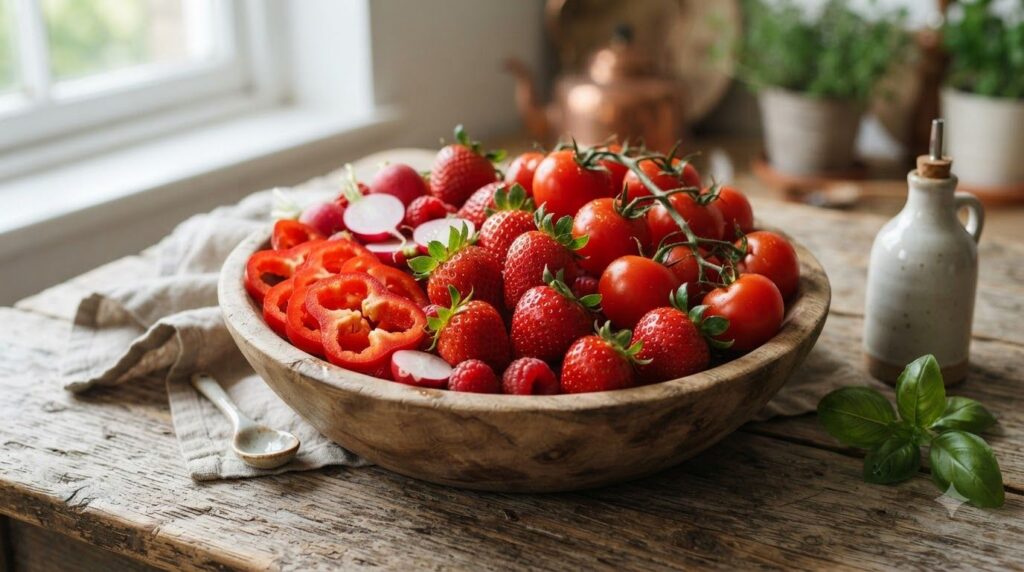
Adding more red foods to your meals can be easy and delicious! Here are some practical tips:
- Snack Smart: Grab a handful of strawberries, raspberries, or an apple for a quick and healthy snack.
- Smoothie Boost: Blend berries, cherries, or watermelon into your morning smoothie for extra nutrients and a beautiful color.
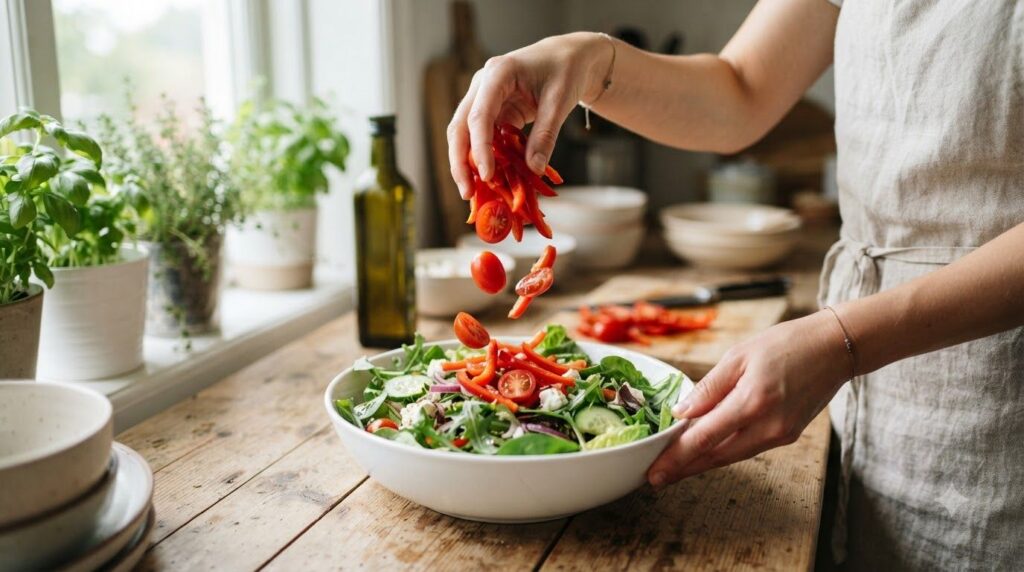
- Salad Enhancer: Add sliced red bell peppers, cherry tomatoes, or pomegranate seeds to your salads for crunch, flavor, and color.
- Savory Dishes: Use tomatoes in sauces, soups, and stews. Roast red bell peppers or onions for a sweet and savory side.
- Dessert Delight: Create healthy desserts with fresh berries – think fruit salads, parfaits, or a simple berry compote.
- Hydrating Drinks: Infuse water with sliced strawberries or raspberries for a naturally flavored beverage.
Potential Risks and Considerations
While red foods are generally very healthy, there are a few things to keep in mind:
- Allergies: Some individuals may have allergies to certain red fruits like strawberries or raspberries. Always be aware of any adverse reactions.
- Sugar Content: While natural, fruits do contain sugars. Enjoy them in moderation, especially if you are managing blood sugar levels.
- Pesticide Residues: For some fruits like strawberries and raspberries, it may be beneficial to choose organic options or wash them thoroughly to minimize exposure to pesticides.
Practical Tips for Maximizing Red Food Benefits
- Eat a Rainbow: While red foods are great, remember to include a variety of colors in your diet to get a full spectrum of nutrients.
- Buy in Season: Seasonal produce is often fresher, tastier, and more nutrient-dense.
- Wash Thoroughly: Always wash fruits and vegetables under running water before eating to remove dirt and surface residues.
- Consider Frozen: Frozen red fruits and vegetables are often picked at peak ripeness and flash-frozen, retaining their nutritional value. They are a convenient and affordable option.
- Get Creative: Experiment with different red food recipes – from homemade tomato sauce to berry tarts.
FAQs About Red Foods
Q: What gives red foods their color?
A: The vibrant red color in many foods comes primarily from phytonutrients called anthocyanins and lycopene.
Q: Are red fruits healthier than red vegetables?
A: Both red fruits and vegetables offer unique and valuable nutrients. It’s best to include a good mix of both in your diet for a wide range of health benefits.
Q: Can I get enough red foods from juices?
A: While juices can provide some nutrients, whole red fruits and vegetables offer beneficial fiber that is often removed during juicing. It’s generally better to consume whole foods when possible.
Q: Do cooked red foods lose nutrients?
A: Some heat-sensitive nutrients like Vitamin C can be reduced with cooking. However, for compounds like lycopene in tomatoes, cooking can actually enhance their bioavailability, making them easier for your body to absorb.
Q: What’s the best way to store red foods?
A: Storage varies by food. Berries and cherries generally do best refrigerated and unwashed until just before use. Tomatoes should be stored at room temperature, away from direct sunlight, until ripe, then can be moved to the fridge. Apples keep well in a cool, dark place or the refrigerator.
Q: Are there any red foods to avoid?
A: Most natural red foods are healthy. The main things to be cautious of are processed red foods with artificial colors or excessive added sugars, which don’t offer the same nutritional benefits.
Conclusion
Red foods are truly a gift from nature, offering a powerful array of nutrients that support everything from heart health to a robust immune system. By incorporating more of these delicious and colorful ingredients into your daily meals, you can easily boost your vitality and enjoy a healthier, more vibrant life.
So, next time you’re grocery shopping, don’t forget to load up on those brilliant reds! Your body will thank you.
This content is for educational purposes only and should not be considered medical advice. Consult a qualified healthcare professional for personalized dietary recommendations.
Explore More Healthy Content:
- Healthy Smoothie Recipes
- Benefits of Eating More Vegetables
- Foods for a Strong Immune System
- Anti-Inflammatory Foods Guide