When you think of peanuts, your mind might jump to a crunchy snack or a creamy butter. But for those navigating kidney health concerns, a specific preparation of peanut—as a powder—is what many herbalists and natural health enthusiasts turn to. The common perception around peanuts and kidney issues often overlooks the vital difference that preparation makes. One small change in how you consume this legume can shift its impact entirely, offering a supportive ally rather than a dietary challenge.
This isn’t about simply eating more roasted, salted peanuts. It’s about a careful, deliberate preparation designed to harness specific compounds in raw peanuts, providing a natural approach to support kidney function and help manage levels like creatinine. Understanding the precise method is key to unlocking its potential benefits.
What It Is: The Power of Prepared Peanut Powder
Peanut powder, in this context, refers to a fine meal made from raw, unsalted, skinless peanuts. Unlike store-bought peanut flour which is often defatted and processed, this DIY powder retains its natural oils and nutrients. The goal is to create a form that is easily digestible and can be integrated into a regimen aimed at supporting renal health. The emphasis is on fresh preparation to preserve the integrity of the beneficial components.
Many people are surprised to learn that peanuts, often flagged for their oxalate or phosphorus content, can be beneficial when consumed correctly. The key lies in controlled portions and a preparation method that maximizes nutrient availability while minimizing potential drawbacks for sensitive systems.
 The visual concept of transformation often accompanies natural remedies, highlighting the shift from an ‘unhealthy’ state to a ‘healthier’ one.
Ingredients for Your Peanut Powder
The simplicity of this remedy is part of its appeal. You only need one core ingredient, but its quality is paramount.
- Raw, Unsalted, Shelled Peanuts: Look for fresh, unroasted, unsalted peanuts. Organic is preferred to avoid pesticide residues. Ensure they are shelled and preferably skinless. If they come with skin, you’ll need to remove it before processing.
Approximate Measurements
For a batch that lasts about a week:
- 2 cups (approximately 250 grams) raw, unsalted, skinless peanuts
Formula / Recipe for Peanut Powder
Making your own peanut powder is straightforward, but attention to detail ensures the best quality and efficacy.
The process involves gently drying and then finely grinding the raw peanuts. This preserves their delicate oils and active compounds, creating a palatable powder that can be easily incorporated into your diet.
Step-by-Step Method
- Inspect and Clean: Spread your raw, shelled peanuts on a clean surface. Inspect them for any signs of mold, discoloration, or damage. Discard any compromised peanuts. If they still have skins, gently rub them between your hands or in a clean cloth to remove as much skin as possible.
- Gentle Drying (Optional, but Recommended): If your peanuts feel at all moist, or if you live in a humid environment, a gentle drying step is crucial to prevent clumping and extend shelf life. Spread them in a single layer on a baking sheet. Place them in an oven on its lowest setting (ideally below 150°F / 65°C) for 1-2 hours, or in a dehydrator until completely dry to the touch, but not roasted. Alternatively, air-dry them in a well-ventilated area for 24-48 hours. The goal is to remove moisture, not to cook them.
- Grinding: Once completely dry and cooled, transfer the peanuts to a high-speed blender or a dedicated spice/coffee grinder.
- Pulse to Powder: Pulse the peanuts in short bursts (5-10 seconds at a time). Stop frequently to scrape down the sides. It’s crucial not to over-process, as the natural oils will quickly turn it into peanut butter. You want a fine, consistent powder, not a paste. This might take several rounds of pulsing and scraping.
- Sifting (Optional): For an extra fine powder, you can sift the ground peanuts through a fine-mesh sieve. Any larger pieces can be returned to the grinder for re-processing.
- Cool Down: Allow the freshly ground powder to cool completely on a flat surface for about 15-30 minutes before storing. This helps prevent condensation inside the storage container.
How to Use Your Peanut Powder
The finely ground peanut powder can be easily integrated into your daily routine. Its mild flavor makes it versatile.
- Mixed into Liquids: Stir 1-2 teaspoons into a glass of water, a small amount of unsweetened plant-based milk, or a smoothie.
- Sprinkled on Food: Add it to oatmeal, yogurt, or a small portion of cooked grains (like quinoa or rice).
- As a Dietary Supplement: For direct consumption, you can mix it with a small amount of honey or maple syrup to form a loose paste and consume directly.
How Often to Use It
Start with a small amount and gradually increase as your body adjusts.
- Initial Dose: Begin with 1 teaspoon once a day for the first week.
- Maintenance Dose: If well-tolerated, you can increase to 1-2 teaspoons twice a day.
- Consistency is Key: For best results, consistent daily use over several weeks to months is recommended.
Quick Tip: Listen to your body. If you notice any digestive discomfort or other adverse reactions, reduce the dosage or discontinue use and consult a healthcare professional.
How to Buy / How to Choose Ingredients
The quality of your raw peanuts directly impacts the effectiveness and safety of your powder. Here’s what to look for:
- Source: Purchase from reputable health food stores, organic markets, or suppliers known for fresh, raw ingredients.
- Certification: Opt for organic peanuts whenever possible to avoid exposure to pesticides and herbicides.
- Appearance: Peanuts should look plump, uniformly colored, and free from any signs of mold, shriveling, or insect damage.
- Freshness: Raw peanuts can go rancid. Check the ‘best by’ date and try to purchase from stores with high turnover.
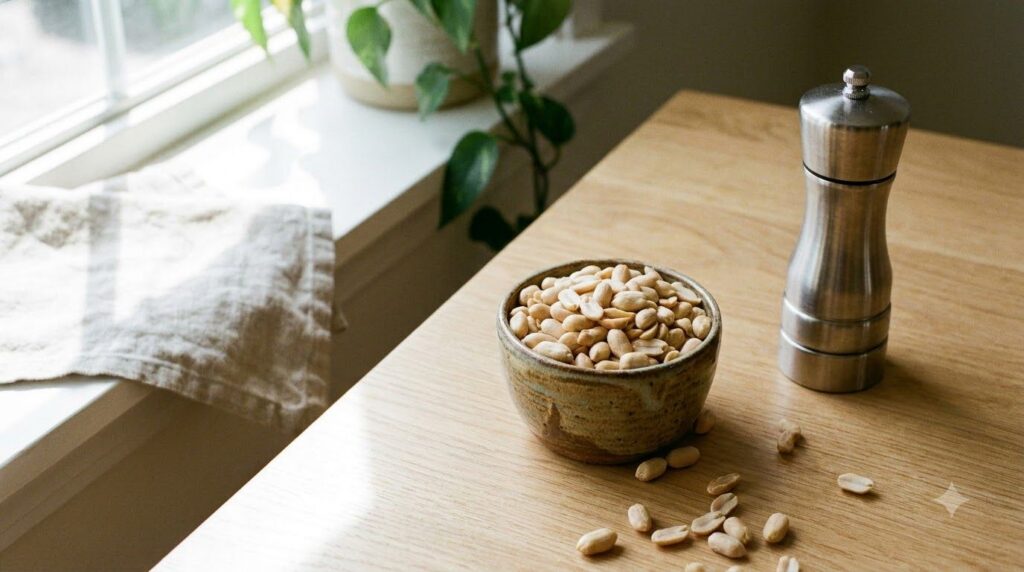 Choosing high-quality, raw, unsalted peanuts is the first and most critical step in preparing effective peanut powder.
Storage
Proper storage is essential to maintain the potency and prevent spoilage of your homemade peanut powder.
- Airtight Container: Store the powder in a clean, dry, airtight container, such as a glass jar with a tight-fitting lid.
- Cool, Dark Place: Keep the container in a cool, dark pantry or cupboard, away from direct sunlight and heat.
- Refrigeration: For extended freshness, especially in warmer climates, storing the powder in the refrigerator is recommended. This helps prevent the natural oils from going rancid.
- Shelf Life: When stored correctly, homemade peanut powder typically lasts for 2-4 weeks. If it develops an off smell, bitter taste, or changes in color, discard it immediately.
Practical Tips for Best Results
- Start Small: Introduce any new dietary supplement gradually to observe your body’s reaction.
- Hydration: Maintain adequate water intake throughout the day, especially when incorporating new remedies.
- Holistic Approach: Peanut powder is a supportive measure, not a standalone treatment. Combine it with a kidney-friendly diet, regular exercise, and professional medical advice.
- Quality Control: Always use fresh, raw, unsalted peanuts. The quality of your raw material directly impacts the efficacy of the remedy.
Common Mistakes to Avoid
Many people misunderstand how peanuts can impact kidney health. Avoiding these common pitfalls is vital:
- Using Roasted or Salted Peanuts: This is perhaps the biggest mistake. Roasted peanuts are often processed with unhealthy oils and lose some beneficial compounds due to heat. Salted peanuts introduce excessive sodium, which is detrimental to kidney function. Always use raw, unsalted.
- Ignoring Aflatoxins: Peanuts can be susceptible to aflatoxin contamination, a toxic mold. Always buy from reputable sources and inspect peanuts carefully for any signs of mold or discoloration. Discard if unsure.
- Over-processing into Butter: Grinding for too long will release the oils and turn your peanuts into butter. This makes it difficult to measure accurately and can lead to overconsumption of fats. Pulse in short bursts to achieve a powder.
- Improper Storage: Leaving the powder exposed to air, heat, or light will quickly lead to rancidity, making it ineffective and potentially harmful.
- Self-diagnosing or Substituting Medical Advice: Using peanut powder as a replacement for prescribed medications or professional medical advice for kidney conditions is dangerous. It’s a supportive measure, not a cure.
Peanut TypeKidney Impact (General)Recommended for Powder?Raw, Unsalted, SkinlessLower sodium, retain nutrients, controlled portion.YesRoasted, SaltedHigh sodium, processed oils, less optimal nutrients.NoPeanut Butter (Store-bought)Added sugar, salt, hydrogenated oils, less control.NoRaw, Unsalted (with skin)Skin can be harder to digest for some, minor oxalate content.Better if skin is removed
Cautions / Who Should Avoid It
While peanut powder can be beneficial, it’s not for everyone.
- Peanut Allergy: Absolutely avoid if you have a peanut allergy. Even trace amounts can trigger severe reactions.
- High Oxalate Issues: Peanuts contain oxalates. If you have a history of calcium oxalate kidney stones or other oxalate sensitivities, consult your doctor before using.
- Phosphorus Restriction: Peanuts are a source of phosphorus. If you are on a strict phosphorus-restricted diet for advanced kidney disease, consult your nephrologist before incorporating.
- Medication Interactions: Always discuss new supplements with your doctor or pharmacist, especially if you are on medications for kidney disease, blood pressure, or other conditions.
- Digestive Sensitivity: Some individuals may experience digestive upset. Start with small doses and discontinue if issues persist.
Quick Summary
Peanut powder, made from raw, unsalted, skinless peanuts, offers a natural way to support kidney health, particularly in managing creatinine levels. The best preparation involves gentle drying and pulsing peanuts into a fine powder, avoiding over-processing into butter. It should be stored in an airtight container in a cool, dark place or refrigerated for maximum freshness. Consume 1-2 teaspoons once or twice daily, mixed with liquids or food. Avoid using roasted, salted peanuts, and always consult a healthcare professional if you have allergies, kidney conditions requiring dietary restrictions, or are on medication.
FAQ
- Can I use roasted peanuts? No, only raw, unsalted peanuts should be used. Roasted peanuts lose some beneficial properties and often contain added oils and salt, which are counterproductive for kidney health.
- How long does the homemade peanut powder last? When stored in an airtight container in a cool, dark place or refrigerated, it typically lasts for 2-4 weeks.
- Can I refrigerate the peanut powder? Yes, refrigeration is recommended to extend freshness and prevent the natural oils from going rancid.
- How often should I use it? Start with 1 teaspoon once a day, and if well-tolerated, you can increase to 1-2 teaspoons twice a day.
- What part of the peanut is best? For this powder, the kernel itself, ideally skinless, is used. The skin can be removed for better digestibility.
- Can I reuse the leftover peanut bits from sifting? Yes, any larger pieces that don’t pass through the sieve can be returned to the grinder for re-processing.
- When should I avoid using peanut powder? Avoid if you have a peanut allergy, severe oxalate or phosphorus restrictions, or if you are on medications that might interact. Always consult your doctor.
- Can this replace my kidney medication? Absolutely not. Peanut powder is a complementary support and should never replace prescribed medications or professional medical advice for kidney conditions.
Conclusion
The journey to supporting kidney health often leads to exploring natural remedies, and peanut powder, prepared correctly, is one such option that deserves attention. By understanding the distinction between a casual snack and a purposeful preparation, you can unlock a surprising ally in your wellness regimen. Remember, consistency, quality ingredients, and a respectful approach to your body’s needs are the cornerstones of any effective natural remedy. Always combine such approaches with a balanced diet and the guidance of your healthcare provider for the best possible outcomes.