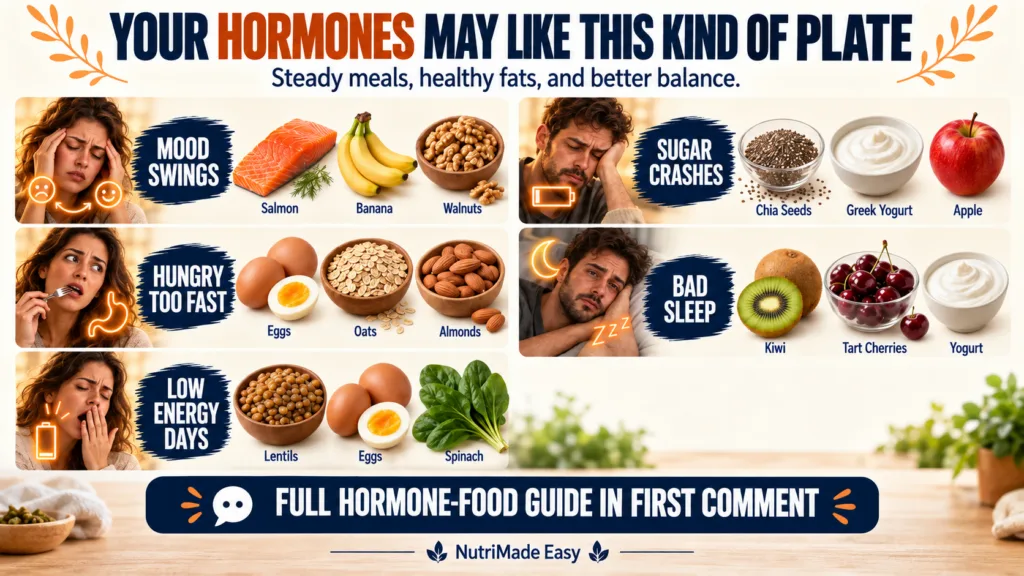
Ever find yourself battling unexpected energy crashes, sudden mood swings, or struggling to focus, seemingly out of the blue? It’s a common experience, and often, the underlying cause can be related to hormonal fluctuations. Hormones are the chemical messengers in our bodies, playing a pivotal role in almost every bodily function, from metabolism and mood to sleep and energy levels.
The good news is that supporting hormonal balance doesn’t always require complex solutions. Often, it can be as simple and enjoyable as choosing the right whole foods. By understanding how certain nutrients interact with your endocrine system, you can empower your body to maintain a more harmonious balance, helping you feel your best, naturally.
Ready to discover how delicious, nutrient-dense options can help nourish your hormones and transform your day? Let’s dive into the powerful connection between what you eat and how you feel.
What Are Hormones and Why Do They Matter?
Hormones are powerful substances secreted by glands in your endocrine system. They travel through your bloodstream to tissues and organs, delivering messages that trigger various physiological processes. These tiny chemical messengers are responsible for regulating critical aspects of your health, including:
- Metabolism and Energy: Thyroid hormones and insulin, for example, control how your body uses and stores energy.
- Mood and Stress Response: Cortisol and serotonin influence your stress levels, emotions, and overall sense of well-being.
- Sleep Cycles: Melatonin dictates your sleep-wake patterns.
- Reproduction and Growth: Estrogen, progesterone, and testosterone are crucial for reproductive health and development.
- Appetite and Satiety: Leptin and ghrelin signal hunger and fullness to your brain.
When these hormones are out of balance, even slightly, it can lead to a cascade of symptoms that affect your daily life, ranging from fatigue and irritability to weight fluctuations and difficulty sleeping.
The Powerful Link Between Food and Hormonal Health
Your diet provides the raw materials your body needs to produce, regulate, and detoxify hormones. The types of foods you consume can either support or hinder these intricate processes. For instance, a diet high in processed foods, sugar, and unhealthy fats can lead to inflammation and insulin resistance, disrupting the delicate balance of many hormones.
Conversely, a diet rich in whole, nutrient-dense foods can provide the essential vitamins, minerals, healthy fats, and proteins required for optimal hormone function. Eating for hormonal balance isn’t about restrictive diets; it’s about making conscious choices that empower your body’s natural systems.
Key Nutrients for Hormonal Harmony
1. Healthy Fats: The Building Blocks
Fats are not the enemy; healthy fats are crucial for hormone production. Many hormones, including sex hormones and adrenal hormones, are synthesized from cholesterol, which comes from the fats in your diet. Incorporating healthy fats can also help reduce inflammation and improve cellular function.
- Sources: Avocados, nuts (almonds, walnuts), seeds (chia, flax, pumpkin), fatty fish (salmon, mackerel), extra virgin olive oil.
2. Lean Proteins: For Stability and Satiety
Protein provides the amino acids necessary for hormone synthesis and helps stabilize blood sugar levels, which is vital for insulin regulation. Adequate protein intake can also help you feel fuller for longer, preventing overeating and sudden energy dips that can impact stress hormones.
- Sources: Lean meats (chicken, turkey), fish, eggs, legumes (lentils, chickpeas), Greek yogurt, tofu, tempeh.
3. Fiber-Rich Foods: Gut Health and Detoxification
Fiber plays a critical role in supporting gut health, which is intimately linked to hormone balance. A healthy gut microbiome can help process and eliminate excess hormones, particularly estrogen, preventing hormonal overload. Fiber also aids in blood sugar regulation.
- Sources: Whole grains (oats, quinoa, brown rice), fruits (berries, apples, pears), vegetables (leafy greens, broccoli, Brussels sprouts), legumes.
4. Essential Vitamins and Minerals: The Supporting Cast
A wide array of micronutrients act as cofactors in hormone production and regulation. Some key players include:
- Magnesium: Supports stress response and sleep quality, often deficient in modern diets.
- B Vitamins: Essential for energy production and detoxification pathways in the liver, which are crucial for hormone metabolism.
- Zinc: Important for thyroid function, insulin sensitivity, and reproductive health.
- Vitamin D: Functions more like a hormone itself, impacting mood, immune function, and bone health.
- Sources: Leafy green vegetables, nuts, seeds, whole grains, eggs, fortified foods, sunlight for Vitamin D.
Making Hormonal Balance Part of Your Daily Life
Incorporating these principles into your diet doesn’t have to be complicated. Start with small, sustainable changes:
- Prioritize Whole Foods: Focus on fresh fruits, vegetables, lean proteins, and healthy fats.
- Hydrate Regularly: Water is essential for all bodily functions, including hormone transport and detoxification.
- Mindful Eating: Pay attention to your body’s hunger and fullness cues.
- Cook at Home: This gives you control over ingredients and preparation methods.
- Balance Your Plate: Aim for a good mix of protein, healthy fats, and complex carbohydrates at each meal.
By making conscious choices about the foods you eat, you can actively support your body’s intricate hormonal systems. Nourishing your hormones isn’t just about avoiding problems; it’s about empowering yourself to experience more consistent energy, stable moods, and overall vitality, transforming your day from the inside out.