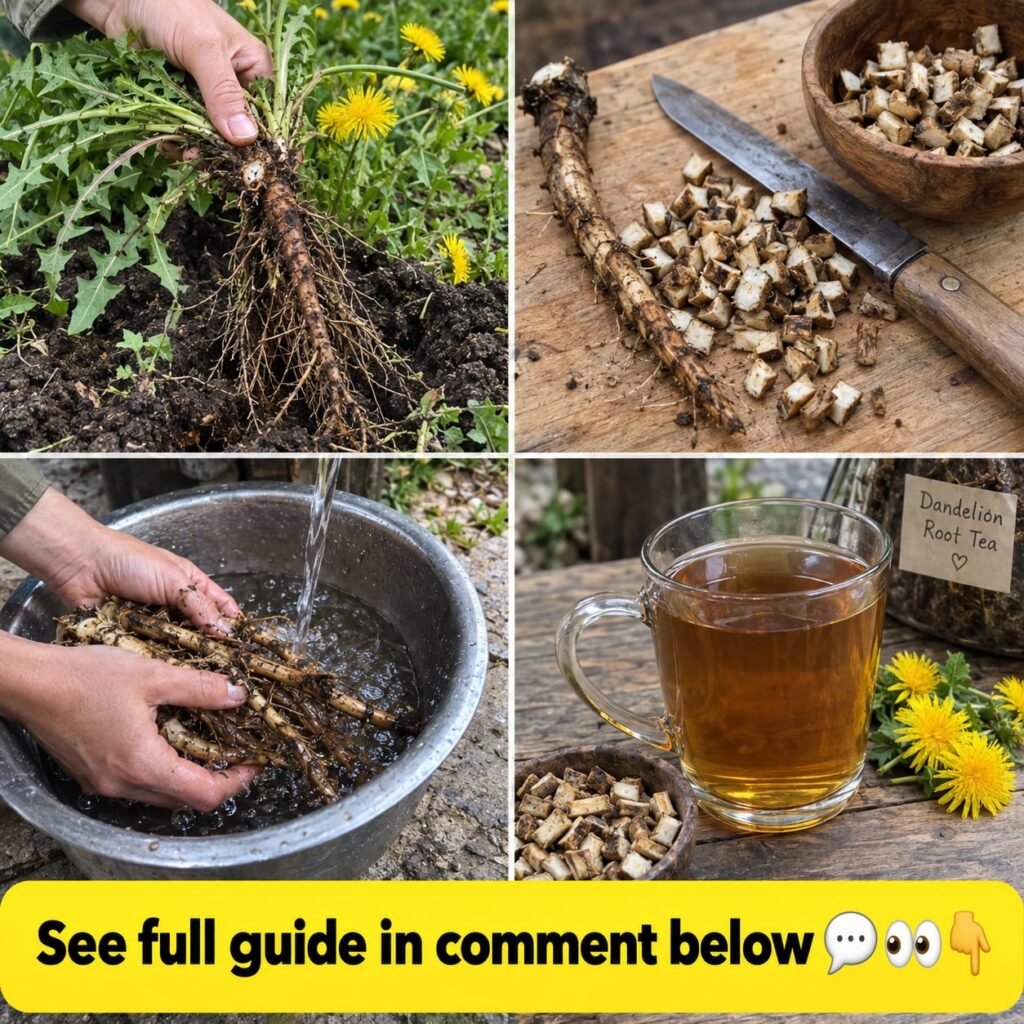
Most people see a common garden weed, but many herbalists recognize a hidden treasure buried beneath the soil: the dandelion root. Often overlooked in favor of its bright yellow flower or leafy greens, the root of Taraxacum officinale holds a surprising array of compounds that have been traditionally valued for supporting various aspects of well-being. But unlocking its potential requires understanding how to properly identify, harvest, prepare, and use it. One small preparation mistake can ruin the whole batch, leading to a less effective or even unpalatable remedy.
What It Is: The Power Beneath the Soil
The dandelion root is the robust, taproot system of the dandelion plant. Unlike the leaves or flowers, the root is known for its bitter compounds, which are often associated with its traditional uses. It’s a powerhouse of beneficial constituents, including inulin (a prebiotic fiber), sesquiterpene lactones, and various minerals. These components are what make the root distinct from other parts of the plant, offering a different profile of wellness support when prepared correctly. Many use it as a base for cleansing teas and tonics.
Ingredients for a Dandelion Root Tea
Preparing a simple dandelion root tea is one of the most popular ways to access its benefits. Here’s what you’ll need:
- Dried Dandelion Root (roasted or unroasted)
- Fresh, Filtered Water
Approximate Measurements
- 1-2 teaspoons dried dandelion root (chopped or granulated)
- 8-10 ounces (about 1 cup) water
Formula / Recipe: Roasted Dandelion Root Tea
For a richer, coffee-like flavor, many prefer roasted dandelion root. If you’re using fresh roots, you’ll need to clean, chop, and roast them first. This simple tea recipe focuses on using already dried and, ideally, roasted root material.
Step-by-Step Method
- Prepare Your Root: If using store-bought dried root, ensure it’s chopped into small, uniform pieces. If you harvested and dried your own, you might need to give it a quick chop.
- Boil Water: Bring 8-10 ounces of fresh, filtered water to a rolling boil in a small saucepan or kettle.
- Add Dandelion Root: Once the water is boiling, add 1-2 teaspoons of the dried dandelion root to a mug or a small pot.
- Pour and Steep: Pour the hot water over the dandelion root.
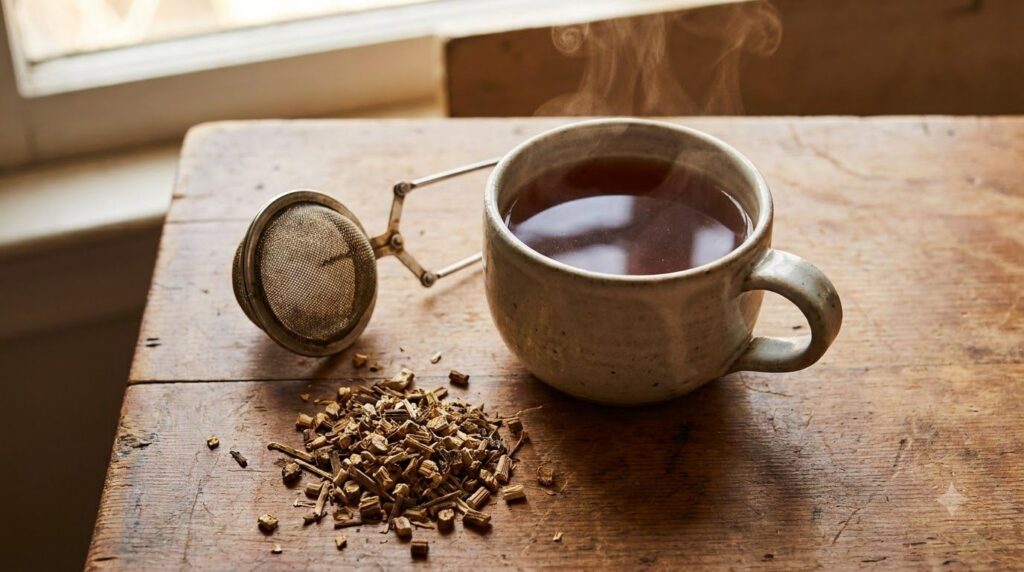
- Cover and Steep: Cover your mug or pot to prevent beneficial volatile compounds from escaping. Steep for 10-15 minutes. For a stronger brew, you can steep longer, even up to 20 minutes.
- Strain and Serve: Strain the tea through a fine-mesh sieve into another mug, discarding the root material.
- Enjoy: Your dandelion root tea is ready to drink. You can add a slice of lemon or a touch of honey if desired, but many appreciate its earthy, slightly bitter flavor as is.
How to Use
Dandelion root tea is typically consumed warm. It’s often enjoyed in the morning or early afternoon. Some prefer to drink it before meals to stimulate digestion, while others integrate it into their daily wellness routine at any convenient time. It’s not usually recommended right before bed due to its potential stimulating effects, though this varies by individual.
How Often to Use
For general wellness support, many people consume dandelion root tea 1-2 times per day. It’s often used in cycles, for example, daily for a few weeks, followed by a break. Always listen to your body and adjust frequency as needed. For specific concerns, consulting with a healthcare professional is advisable.
Quick Tip: Roasting the Roots
If using fresh dandelion roots, wash them thoroughly, chop them into small pieces, and spread them on a baking sheet. Roast in a preheated oven at 300°F (150°C) for 30-60 minutes, or until dark brown and aromatic, stirring occasionally. This develops a richer, less bitter flavor similar to coffee.
How to Buy / How to Choose Ingredients
When sourcing dandelion root, quality is paramount. If purchasing, look for organic, wild-harvested, or sustainably grown options from reputable suppliers. Ensure the packaging is airtight and free from moisture. If harvesting yourself, choose plants from areas free of pesticides, herbicides, and pollution (e.g., away from roadsides, industrial areas, or conventional farms). Digging roots in early spring or late fall when the plant’s energy is concentrated in the root is ideal. Always confirm proper plant identification before harvesting.
Fresh vs. Dried Dandelion Root for Tea
| Feature | Fresh Dandelion Root | Dried Dandelion Root |
|---|---|---|
| Preparation | Requires cleaning, chopping, and often roasting/drying | Ready to use (may need chopping if whole) |
| Flavor | More pungent, earthy, and potentially bitter. Roasting mellows it. | Often milder, especially if pre-roasted. Earthy notes. |
| Potency | Highest concentration of fresh compounds | Stable potency if stored correctly; some compounds may change during drying/roasting |
| Shelf Life | Very short (a few days refrigerated) | Long (up to 1-2 years if stored properly) |
| Convenience | Labor-intensive initially | Very convenient for daily use |
Storage
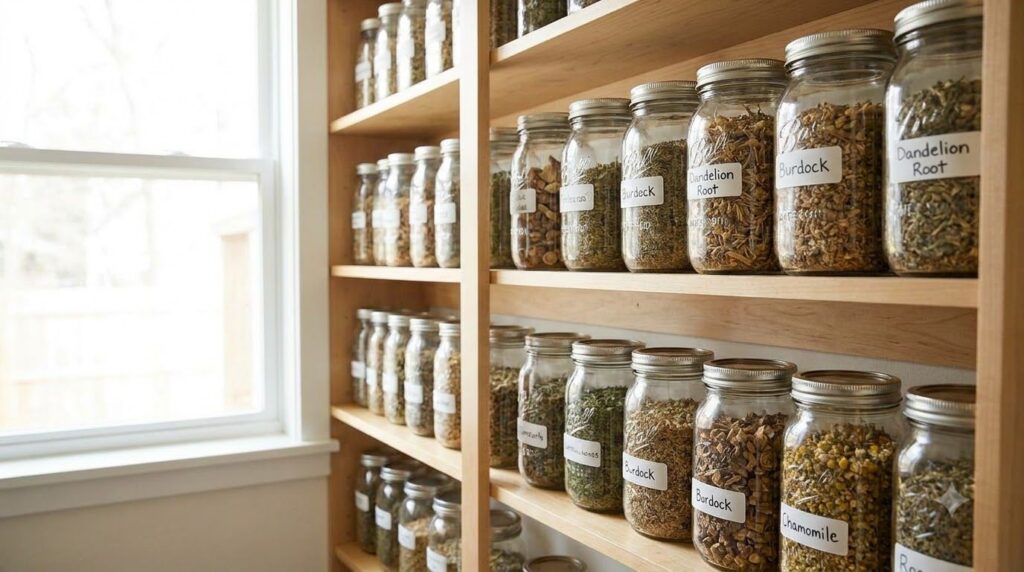
Store dried dandelion root in an airtight container, away from direct sunlight, heat, and moisture. A cool, dark pantry is ideal. Properly stored dried root can last for 1-2 years. Freshly harvested roots should be cleaned, dried, and ideally used immediately or stored in the refrigerator for only a few days before drying or roasting for longer preservation. Never store damp roots, as they can mold quickly.
Practical Tips
- Start Small: If you’re new to dandelion root tea, start with a smaller amount (e.g., 1 teaspoon) and gradually increase to assess your body’s response.
- Flavor Enhancement: While the earthy bitterness is part of its charm, a squeeze of lemon or a dash of cinnamon can enhance the flavor.
- Reusing Roots: You can often get a second, lighter brew from the same root material, especially if you used a generous amount for the first steep.
- Combine with Other Herbs: Dandelion root blends well with ginger, peppermint, or burdock root for synergistic effects or simply to vary the taste.
Common Mistakes
- Improper Identification: Mistaking dandelion for a similar-looking but potentially toxic plant can be dangerous. Always be 100% sure of your identification.
- Harvesting from Contaminated Areas: Using roots from areas sprayed with chemicals or near heavy traffic can introduce unwanted toxins.
- Skipping the Roasting Step (if desired): Unroasted dandelion root has a more intense bitterness that some find off-putting. Roasting mellows this significantly.
- Insufficient Steeping: Not steeping long enough will result in a weak tea that doesn’t extract the beneficial compounds effectively.
- Poor Storage: Storing dried roots in humid conditions or open containers will lead to spoilage and loss of potency.
Cautions / Who Should Avoid It
While generally safe for most, dandelion root isn’t for everyone. Individuals with allergies to plants in the Asteraceae family (like ragweed, daisies, or chrysanthemums) should avoid it. It can also interact with certain medications, including diuretics, blood thinners, and drugs metabolized by the liver. Pregnant or breastfeeding women, or those with bile duct obstruction, gallstones, or kidney disease, should consult a healthcare provider before use. If you experience any adverse reactions, discontinue use immediately.
Quick Summary
- Best Preparation: Roasted dandelion root tea for a pleasant, earthy flavor.
- Best Use-Case: Daily wellness support, especially for stimulating digestion.
- Storage: Dried roots in airtight containers in a cool, dark place for up to 2 years.
- When to Use: 1-2 times daily, ideally not right before bed.
- What to Avoid: Contaminated harvesting areas, improper identification, insufficient steeping, and using if allergic or on certain medications.
FAQ
- Can I use fresh or dried dandelion root? You can use both, but fresh requires more preparation (cleaning, chopping, roasting/drying) for long-term storage or optimal flavor. Dried is more convenient for daily tea.
- How long does dandelion root tea last? The brewed tea is best consumed fresh. You can store it in the refrigerator for up to 24 hours, but flavor and potency may diminish.
- Can I refrigerate freshly harvested dandelion roots? Yes, but only for a few days. They are best cleaned and processed (dried, roasted, or used immediately) soon after harvesting.
- How often should I drink dandelion root tea? 1-2 cups per day is common, often in cycles. Adjust based on your body’s response.
- What part of the dandelion plant is best for this remedy? For this particular remedy, the root is the focus, providing distinct benefits from the leaves or flowers.
- Can I reuse the roots for another brew? Yes, you can often get a second, milder brew from the same root material, especially if you used a generous amount the first time.
- When should I avoid dandelion root? Avoid if you have allergies to related plants, bile duct obstruction, gallstones, or kidney disease, or if you are on specific medications (diuretics, blood thinners, certain liver-metabolized drugs). Consult a doctor if pregnant or breastfeeding.
Conclusion
The dandelion root, far from being a mere weed, offers a world of traditional wellness benefits when approached with knowledge and care. By understanding how to properly source, prepare, and use this humble root, you can integrate a centuries-old remedy into your modern routine. Remember that the key to unlocking its full potential lies in mindful preparation and consistent, informed use. Start digging into nature’s pharmacy, right in your own backyard.
You may also like: Our Full Guide to Making Herbal Tinctures at Home
Related remedy: Discover the Wellness Benefits of Burdock Root