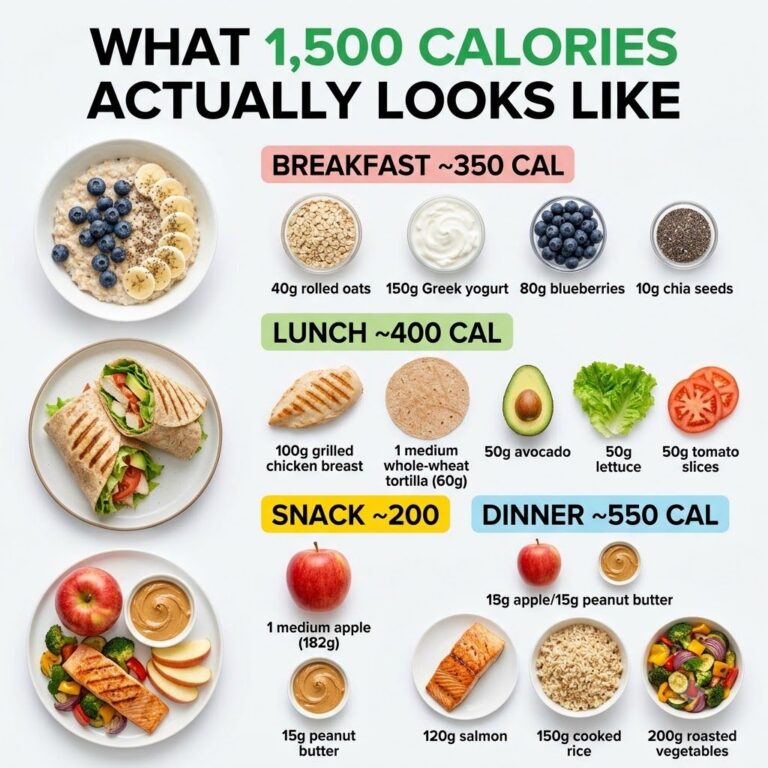
Ever wondered what a balanced 1,500-calorie day truly looks like? It’s a common question for many looking to manage their weight, optimize their energy, or simply build healthier eating habits. This comprehensive guide will demystify the 1,500-calorie meal plan, showing you how to enjoy delicious, satisfying meals while staying within your nutritional goals. We’ll break down a full day of eating, offering practical examples and tips to make healthy living easier and more enjoyable.
Understanding Your 1,500-Calorie Goal
A 1,500-calorie diet is often recommended for weight management, particularly for those looking to create a moderate calorie deficit. However, individual calorie needs vary greatly depending on factors like age, sex, activity level, and metabolism. Always consult with a healthcare professional or registered dietitian to determine the best calorie intake for your specific goals.
The key to a successful 1,500-calorie meal plan isn’t just about counting numbers; it’s about making smart, nutrient-dense choices that keep you feeling full, energized, and satisfied throughout the day. Focus on whole foods, lean proteins, healthy fats, and plenty of fiber-rich fruits and vegetables.
Your Full Day 1,500-Calorie Meal Plan Example
Here’s an example of how you can structure a delicious and balanced 1,500-calorie day:
Breakfast (Approx. 350-400 calories)
- Option 1: Overnight Oats with Berries and Nuts
- 1/2 cup rolled oats (dry)
- 1 cup unsweetened almond milk
- 1/2 cup mixed berries (fresh or frozen)
- 1 tablespoon chia seeds
- 1 tablespoon chopped walnuts or almonds
- Pinch of cinnamon
- Option 2: Greek Yogurt Parfait
- 1 cup plain non-fat Greek yogurt
- 1/2 cup sliced banana
- 1/4 cup mixed berries
- 1/4 cup low-sugar granola
Lunch (Approx. 400-450 calories)
- Option 1: Large Chicken and Veggie Salad
- 3 oz grilled chicken breast, sliced
- 2 cups mixed greens
- 1/2 cup chopped bell peppers
- 1/4 cup cucumber slices
- 1/4 cup cherry tomatoes
- 2 tablespoons light vinaigrette dressing
- 1/4 cup chickpeas
- Option 2: Whole Wheat Turkey Wrap
- 1 large whole wheat tortilla
- 3 oz sliced lean turkey breast
- 1 tablespoon hummus
- 1/2 cup mixed greens
- 1/4 cup shredded carrots
- 1/4 sliced avocado
Snacks (Approx. 200-250 calories total, split between mid-morning and mid-afternoon)
- 1 medium apple with 1 tablespoon natural peanut butter
- 1 hard-boiled egg
- 1/4 cup mixed raw almonds and walnuts
- 1/2 cup cottage cheese with 1/4 cup pineapple
Dinner (Approx. 450-500 calories)
- Option 1: Baked Salmon with Roasted Asparagus and Quinoa
- 4 oz baked salmon fillet
- 1 cup roasted asparagus (tossed with a drizzle of olive oil and lemon)
- 1/2 cup cooked quinoa
- Option 2: Lentil Soup with Whole Grain Bread
- 1.5 cups hearty lentil vegetable soup (homemade or low-sodium canned)
- 1 slice whole grain bread (approx. 100 calories)
- Side salad with light dressing
Tips for Sustained Success on Your Meal Plan
Adopting a 1,500-calorie meal plan doesn’t have to feel restrictive. Here are some practical tips to help you succeed and make healthy eating a sustainable habit:
- Prioritize Whole Foods: Focus on unprocessed foods like fresh fruits, vegetables, lean proteins, and whole grains. They are naturally lower in calories and higher in essential nutrients.
- Master Portion Control: Even healthy foods can contribute to a calorie surplus if eaten in excess. Learn to recognize appropriate portion sizes using measuring cups, spoons, or even your hand as a guide.
- Stay Hydrated: Drinking plenty of water throughout the day can help you feel full, boost metabolism, and prevent mistaking thirst for hunger.
- Plan Ahead (Meal Prep): Dedicate some time each week to plan your meals and snacks. Preparing ingredients or entire meals in advance can save time and prevent impulsive, less healthy choices.
- Listen to Your Body: Pay attention to your hunger and fullness cues. While following a plan is great, understanding your body’s signals is crucial for long-term success.
- Don’t Fear Healthy Fats: Include sources of healthy fats like avocados, nuts, seeds, and olive oil in moderation. They are essential for satiety and nutrient absorption.
- Track Your Intake: For the first few weeks, using a food diary or a calorie-tracking app can be incredibly helpful to understand where your calories are coming from and ensure you’re meeting your targets.
Embrace Your Health Journey
Embarking on a 1,500-calorie meal plan is a positive step towards a healthier you. Remember that consistency and patience are key. By making informed choices, focusing on nutrient-rich foods, and incorporating practical strategies like meal prep, you can achieve your wellness goals while enjoying delicious, satisfying meals. Start today, and discover how empowering a balanced approach to nutrition can be!