Unlock Pineapple Peel’s Hidden Power: Boost Wellness with This Refreshing Drink
Do you ever find yourself tossing away pineapple peels after enjoying the sweet, juicy fruit? Most of us do! It feels like a natural part of the process, but what if we told you those seemingly humble peels hold a secret powerhouse of nutrients? Imagine transforming something you usually discard into a delicious, refreshing drink that could support your digestion, immunity, and overall vitality. It’s not just possible; it’s surprisingly simple!
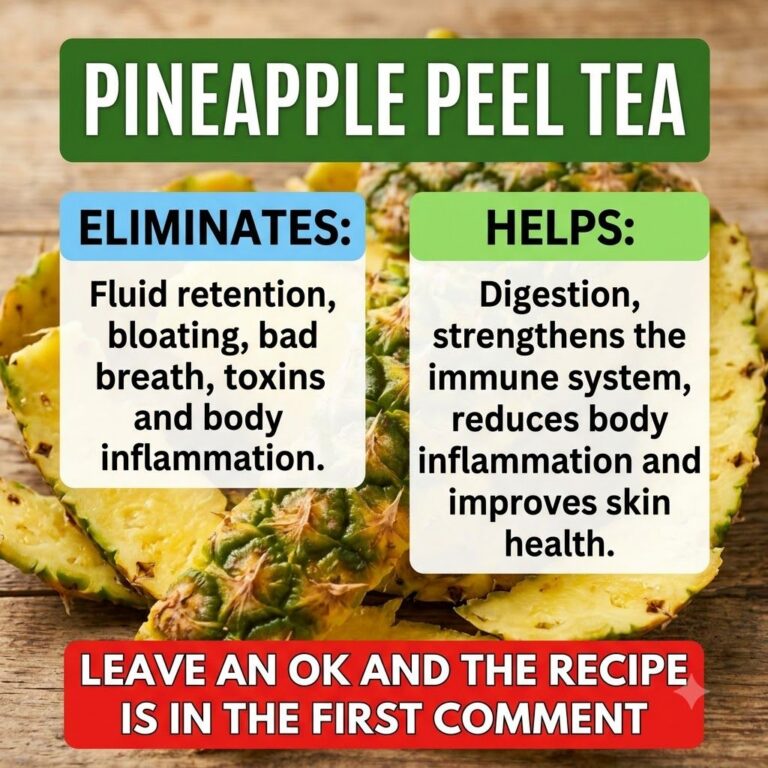
Why This Matters: Reclaiming a Natural Wellness Secret
In a world increasingly focused on natural solutions and mindful living, we’re always searching for ways to enhance our well-being. The buzz around ‘waste not, want not’ has brought a spotlight to often-overlooked parts of our food, and pineapple peels are a prime example. For generations, various cultures have intuitively understood the value of these peels, using them in traditional remedies and beverages. Now, as we seek natural ways to boost our health and reduce food waste, the potential of pineapple peel tea is making a well-deserved comeback.
Many people are drawn to natural wellness approaches to support their bodies gently and prevent common health issues. You might be looking for ways to improve digestion without relying on pharmaceuticals, or perhaps seeking a natural boost for your immune system. Pineapple peel tea offers an intriguing, simple, and affordable option that taps into nature’s own pharmacy, making it a popular topic among those keen on holistic health.
The Hidden Benefits: What Makes Pineapple Peels So Special?
It’s easy to assume the goodness of pineapple is solely in its juicy flesh, but the peel, often considered mere waste, is remarkably rich in beneficial compounds. Think of it as nature’s protective outer layer, designed to guard the fruit, and in doing so, it accumulates some impressive properties of its own.
Enzymatic Powerhouse: Bromelain
One of the most notable components found in pineapple peels (and the core) is bromelain. This group of proteolytic enzymes is known for its ability to break down proteins, which can significantly aid digestion. Bromelain has been traditionally used for its potential anti-inflammatory properties and to help reduce swelling. While the highest concentration is in the core, the peel still contains a valuable amount that can contribute to your wellness.
Antioxidants and Essential Nutrients
Beyond bromelain, pineapple peels contain a host of antioxidants, including Vitamin C, and minerals like manganese. Antioxidants are crucial for fighting off free radicals in the body, which contribute to cellular damage and premature aging. Vitamin C is a well-known immune booster, and manganese plays a role in bone health and metabolism. These components work together to provide a broader spectrum of wellness support.
Fiber for Gut Health
Like most plant materials, pineapple peels are a source of dietary fiber. While you’re not consuming the fibrous peels directly in tea, the process of simmering can extract some soluble fibers and beneficial compounds that contribute to a healthy gut microbiome, further supporting digestive wellness.
Traditional Wisdom and Modern Understanding
Across various cultures, pineapple peels have been traditionally employed in fermented drinks and teas. For instance, in some Latin American countries, ‘Tepache’ is a popular fermented beverage often made with pineapple peels, celebrated for its refreshing qualities and digestive aid. While modern scientific research on pineapple peel tea specifically is still emerging, the known benefits of its individual components (like bromelain and Vitamin C) lend credence to these long-held traditional uses.
It’s important to distinguish that while traditional use suggests these benefits, scientific evidence specifically for pineapple peel tea is less robust than for the isolated compounds. However, many find immense value in integrating such natural remedies into their daily routines for general wellness support.
Your Practical Guide: Making Refreshing Pineapple Peel Tea
Ready to turn those peels into a wellness elixir? Here’s how you can easily make your own pineapple peel tea at home.
What You’ll Need:
- Peels from 1 organic pineapple (washed thoroughly)
- 6-8 cups of filtered water
- Optional additions for flavor and extra benefits:
- 1-inch piece of fresh ginger, sliced
- 1-2 cinnamon sticks
- A few cloves
- Honey or maple syrup to taste (add after cooling)
- Large saucepan
- Strainer
- Glass jar or pitcher for storage
Step-by-Step Preparation:
- Wash Your Pineapple: This is crucial! Before peeling, scrub the entire pineapple under running water. Use a vegetable brush to remove any dirt or potential pesticide residues, even if it’s organic.
- Peel Carefully: Using a sharp knife, carefully peel the pineapple, trying to get mostly peel and minimal fruit flesh. You can also include the woody core if you wish.
- Combine Ingredients: Place the washed pineapple peels (and core, if using) into your large saucepan. Add the filtered water and any optional additions like sliced ginger, cinnamon sticks, or cloves.
- Simmer Gently: Bring the mixture to a boil, then immediately reduce the heat to low. Let it simmer gently for at least 30 minutes, or up to an hour, for a stronger brew. The longer it simmers, the more flavor and compounds will be extracted.
- Strain and Cool: Remove the saucepan from the heat. Carefully strain the liquid through a fine-mesh strainer into a heatproof pitcher or jar, discarding the solid peels and spices.
- Sweeten (Optional): Once the tea has cooled to your liking, you can add honey, maple syrup, or your preferred natural sweetener.
- Serve and Store: Enjoy your pineapple peel tea warm or chilled over ice. Store any leftovers in an airtight container in the refrigerator for up to 3-5 days.
Beginner Tips:
- Start with a shorter simmer time (30 minutes) and adjust to your taste preferences.
- Experiment with different spices! Turmeric, star anise, or a squeeze of lemon can also be delightful.
- Consider making a larger batch to enjoy throughout the week.
Safety & Precautions: Drink Smart
While pineapple peel tea is a natural and generally safe beverage for most, it’s always wise to be aware of potential considerations.
- Thorough Washing: As mentioned, thoroughly washing your pineapple before peeling is paramount to remove dirt, pesticides, or wax. Opting for organic pineapples can further reduce concerns about chemical residues.
- Bromelain Sensitivity: Bromelain can interact with certain medications, particularly blood thinners (anticoagulants), and some antibiotics. If you are on medication or have a bleeding disorder, consult your healthcare professional before regularly consuming pineapple peel tea.
- Allergies: If you have a known allergy to pineapple, you should avoid consuming the peels as well.
- Pregnancy and Breastfeeding: There isn’t extensive research on the effects of pineapple peel tea during pregnancy or breastfeeding. It’s best to consult your doctor before introducing new herbal remedies during these times.
- Existing Medical Conditions: If you have any chronic medical conditions, especially those related to digestion or inflammation, discuss adding pineapple peel tea to your routine with your healthcare provider.
Always listen to your body and discontinue use if you experience any adverse reactions.
Key Takeaways
- Pineapple peels, often discarded, are rich in beneficial compounds like bromelain, Vitamin C, and other antioxidants.
- They can be easily transformed into a refreshing, wellness-supporting tea at home.
- Pineapple peel tea may support digestion, boost immunity, and provide anti-inflammatory benefits.
- Thoroughly wash peels, especially if not organic, to remove residues.
- Consult a healthcare professional if you are on medication, pregnant, breastfeeding, or have existing medical conditions before regular consumption.
FAQ: Your Questions Answered
Q: Can I use the peels from any pineapple?
A: Yes, but it’s highly recommended to use organic pineapples to minimize exposure to pesticides. Regardless, always wash the pineapple thoroughly before peeling.
Q: How often can I drink pineapple peel tea?
A: Most people can enjoy pineapple peel tea daily or several times a week as a refreshing beverage. However, pay attention to how your body responds, especially if you’re new to it. If you have any health concerns, consult your doctor.
Q: Does it taste like pineapple juice?
A: No, it has a milder, more subtle pineapple flavor, often with earthy undertones from the peel. The addition of ginger, cinnamon, or other spices can significantly enhance and warm the flavor profile.
Q: What are the main benefits of drinking this tea?
A: It’s primarily known for potentially aiding digestion due to bromelain, providing antioxidant support from Vitamin C, and offering a gentle immune boost. Many also find it a refreshing and hydrating beverage.
Q: Can children drink pineapple peel tea?
A: While generally safe in moderation, it’s always best to consult with a pediatrician before introducing new herbal teas or remedies to children.
Related Reading
If you’re interested in more natural ways to support your health and explore the power of food, check out these related articles:
- Boosting Immunity Naturally: Foods and Habits That Help
- Herbal Teas for Digestive Harmony: A Gentle Approach
- Reducing Food Waste in the Kitchen: Creative Uses for Scraps
- The Power of Ginger: More Than Just a Spice