Are you looking for a simple, budget-friendly way to achieve a more radiant and smoother-looking complexion? Many beauty enthusiasts are turning to their pantries for an unexpected combination: aspirin and baby oil! This popular at-home mix is gaining buzz for its potential to help refine the skin’s texture and bring forth a healthy glow.
While it might sound unusual, both aspirin and baby oil have properties that make them interesting candidates for a DIY beauty routine. Let’s dive into why people are trying this blend and how you can explore it safely at home.
Why Aspirin for Your Skin?
Aspirin, scientifically known as acetylsalicylic acid, is a fascinating ingredient in the world of DIY beauty. When used topically, the salicylic acid component (a close relative) is what gets all the attention. Salicylic acid is a beta-hydroxy acid (BHA) commonly found in many commercial skincare products, particularly those designed for exfoliation.
- Gentle Exfoliation: Salicylic acid is known for its ability to help gently exfoliate the skin’s surface, which can lead to a smoother feel. By helping to remove dead skin cells, it can reveal fresher-looking skin underneath.
- Popular for Skin Texture: Many people try aspirin masks because they believe it helps improve the look of uneven skin texture, contributing to a clearer and more refined appearance.
Remember, we’re talking about crushed aspirin tablets applied topically, not ingested for skincare benefits. Always use caution and follow instructions carefully.
The Role of Baby Oil in This Blend
Baby oil, typically a mineral oil-based product, is well-known for its moisturizing capabilities. It’s often used to soften and smooth delicate skin, and in this DIY blend, it serves a similar purpose:
- Moisture Lock: Baby oil creates a barrier on the skin’s surface, helping to lock in moisture and prevent dehydration. This can contribute to a plumper, more supple feel.
- Softening Effect: Its emollient properties can help soften the skin, making it feel smoother to the touch.
- Carrier for Aspirin: In this blend, baby oil acts as a carrier, helping to mix the crushed aspirin and provide a smooth consistency for application.
How People Prepare and Use This Popular Mix
Curious about trying this at-home beauty routine? Here’s how many people typically prepare and apply the aspirin and baby oil blend for a more radiant-looking complexion.
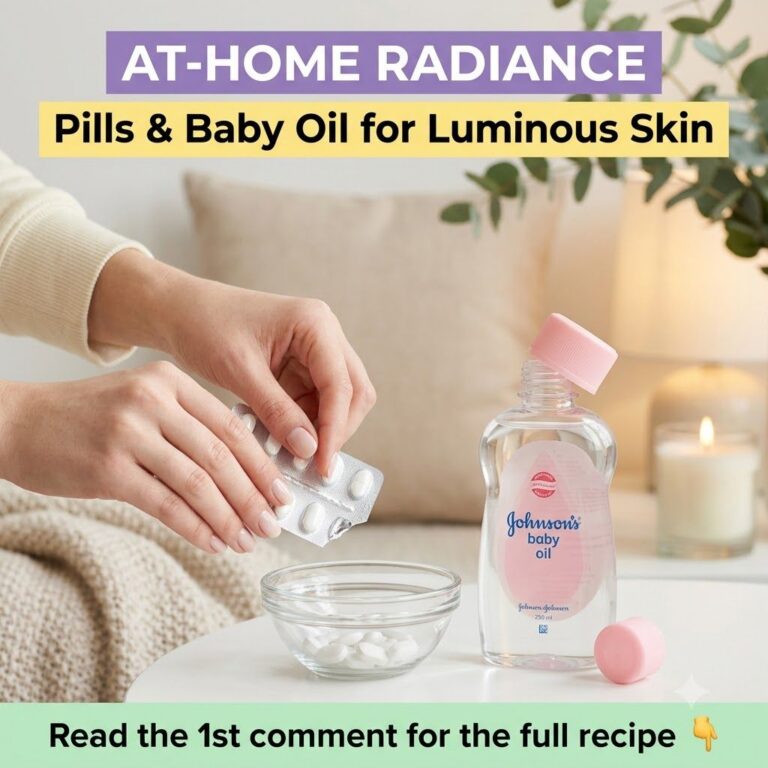
What You’ll Need:
- 2-3 uncoated aspirin tablets (plain, not buffered or enteric-coated)
- 1-2 teaspoons of baby oil
- A small non-metallic bowl
- A spoon or applicator
Step-by-Step Guide:
- Crush the Aspirin: Place 2-3 uncoated aspirin tablets into your small non-metallic bowl. Use the back of a spoon or a mortar and pestle to crush them into a fine powder. The finer the powder, the smoother your paste will be.
- Add Baby Oil: Gradually add 1 to 2 teaspoons of baby oil to the aspirin powder. Mix thoroughly until you form a smooth, consistent paste. Adjust the amount of baby oil as needed to achieve a spreadable, mask-like consistency.
- Patch Test: Before applying to your face, always perform a patch test on a small, inconspicuous area of your skin (like behind your ear or on your inner arm). Wait 24 hours to check for any redness, irritation, or allergic reaction.
- Apply to Clean Skin: If the patch test is clear, apply the paste evenly to clean, dry skin on your face, avoiding the delicate eye area and lips.
- Relax and Rinse: Leave the mask on for about 10-15 minutes. You might feel a slight tingling sensation; if it becomes uncomfortable, rinse immediately.
- Gently Rinse Off: Rinse your face thoroughly with lukewarm water, gently massaging your skin in circular motions as you rinse to aid in the exfoliating process. Pat your skin dry with a soft towel.
- Moisturize: Follow up with your favorite gentle moisturizer to hydrate your skin.
Important Considerations Before You Try This
While this blend is popular, it’s essential to approach any DIY skincare with caution and awareness:
- Patch Test is Crucial: As mentioned, always perform a patch test first. Salicylic acid can be potent, and some people may be sensitive to it.
- Avoid if Allergic to Aspirin: If you have an allergy to aspirin or salicylates, do not use this routine.
- Frequency: This is an exfoliating routine, so it’s generally recommended to use it sparingly, perhaps once a week at most, to avoid over-exfoliation.
- Sun Sensitivity: Exfoliating products can make your skin more sensitive to the sun. Always use a broad-spectrum sunscreen daily, especially after using this or any exfoliating treatment.
- Not for Broken or Irritated Skin: Never apply this mixture to broken, inflamed, or irritated skin.
- No Medical Claims: Remember, this is a popular at-home beauty routine and not a medical treatment. It should not be used to treat skin conditions or replace professional dermatological advice.
Exploring DIY beauty can be a fun and affordable way to enhance your skin’s appearance, but always listen to your skin and prioritize its health. By understanding the ingredients and taking necessary precautions, you can safely explore routines like this aspirin and baby oil blend for a smoother, more radiant-looking complexion!