Most people associate bay leaves with savory stews and roasts, a humble herb tossed in for depth of flavor and then usually discarded. But what if this common kitchen staple held a surprising secret for a different kind of wellness, specifically for the health of your gums? It’s true: bay leaves, beyond their culinary fame, have been explored for their potential anti-inflammatory properties that can be particularly beneficial for soothing irritated and inflamed gums.
This isn’t about eating more bay leaves in your soup; it’s about harnessing their compounds in a topical application – a simple, effective mouth rinse. When your gums feel tender, swollen, or appear redder than usual, reaching for a natural solution might be exactly what you need. Let’s dive into how you can transform these aromatic leaves into a powerful ally for your oral care routine.
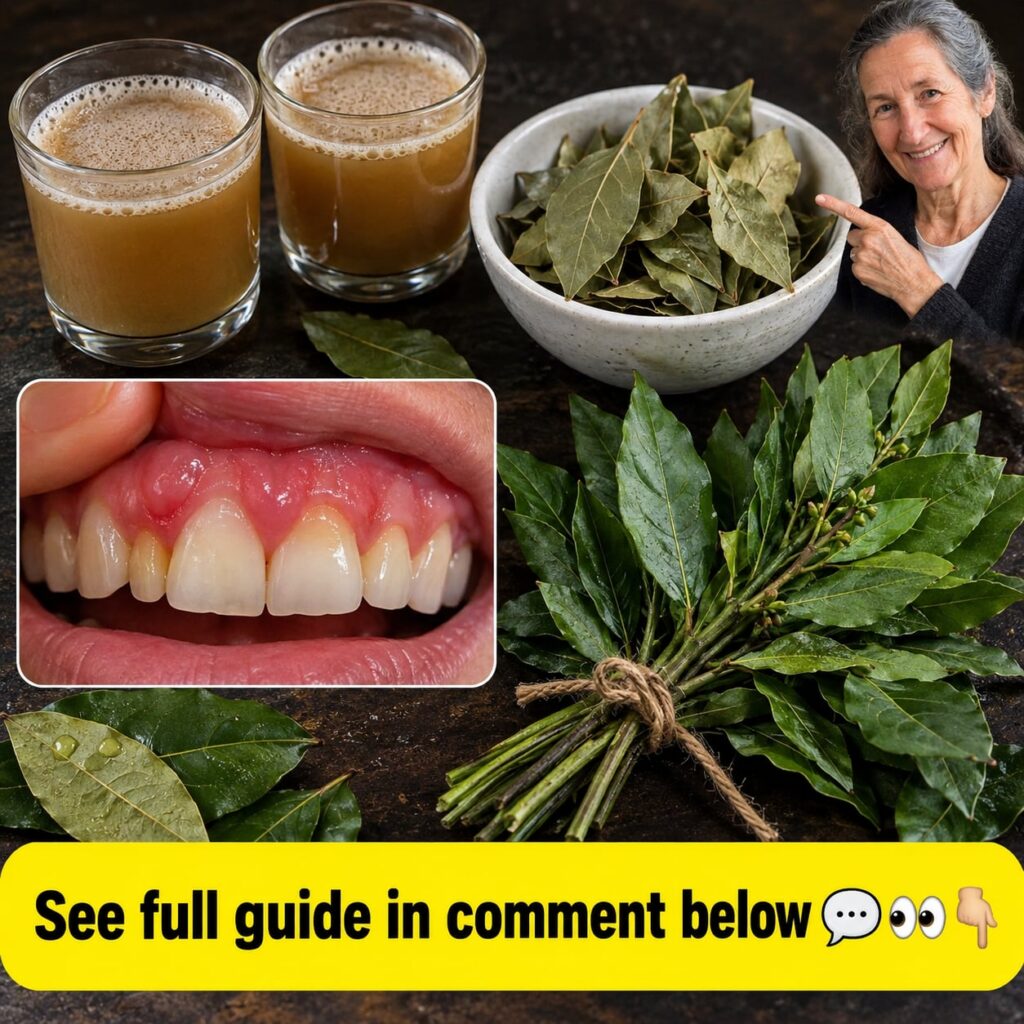 Discover the potential of bay leaves for oral health.
What It Is: Bay Leaf Mouth Rinse
A bay leaf mouth rinse is a simple herbal infusion made by steeping bay leaves in hot water. This process extracts beneficial compounds from the leaves, primarily essential oils and other phytochemicals known for their anti-inflammatory and antiseptic properties. When used as a mouth rinse, these compounds can help reduce swelling and discomfort in the gums, offering a soothing effect and promoting a healthier oral environment. It’s a natural alternative to some commercial mouthwashes, focusing on gentle, targeted relief.
Ingredients
- Dried Bay Leaves: 5-7 large leaves
- Filtered Water: 2 cups (approximately 500ml)
Approximate Measurements
The key to an effective rinse is getting the concentration right. Too weak, and it won’t be potent enough; too strong, and it might be overpowering. For optimal results, aim for about 5-7 large dried bay leaves per two cups of water. If using fresh bay leaves, you might need slightly more, around 8-10 leaves, as their concentration of beneficial compounds can vary.
Formula / Recipe
The formula for this bay leaf mouth rinse is straightforward: an herbal infusion. Think of it like making a strong herbal tea, but instead of drinking it, you’ll be using it topically in your mouth.
Quick Tip: Fresh vs. Dried Bay Leaves
FeatureDried Bay LeavesFresh Bay LeavesPotencyMore concentrated flavor and compounds.Milder, slightly less concentrated.AvailabilityWidely available in spice aisles.Can be harder to find, sometimes in specialty stores.StorageLasts for a long time if stored properly.Perishable, best used within a week or two.UsageRecommended for this rinse for consistency.Can be used, but may require more leaves.
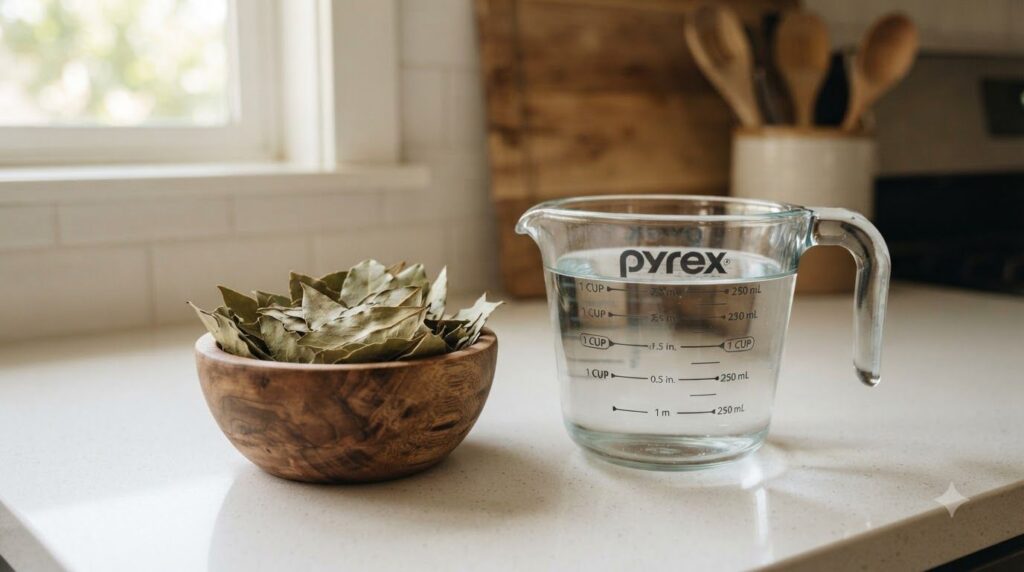 Gather your simple ingredients for this soothing rinse.
Step-by-Step Method
- Prepare the Leaves: If your dried bay leaves are very dusty, you can quickly rinse them under cool water, but it’s often not necessary. Crumble them slightly with your hands to help release their oils and compounds.
- Boil the Water: In a small saucepan, bring 2 cups of filtered water to a rolling boil.
- Add Bay Leaves: Once the water is boiling, add the crumbled bay leaves to the saucepan.
- Steep: Immediately reduce the heat to low, cover the saucepan, and let the mixture simmer gently for about 10-15 minutes. This slow simmer allows the beneficial properties to infuse into the water without evaporating too quickly.
- Cool: Remove the saucepan from the heat and let it cool completely. It’s crucial for the rinse to be at room temperature or slightly cool before use.
- Strain: Once cooled, strain the liquid through a fine-mesh sieve or cheesecloth into a clean glass jar or bottle. Discard the spent bay leaves.
How to Use
Using the bay leaf mouth rinse is similar to using any commercial mouthwash, but with a focus on gentleness.
- Measure: Pour about 1-2 tablespoons (15-30ml) of the strained bay leaf rinse into a small glass.
- Rinse: Take the liquid into your mouth and swish it around gently for 30-60 seconds. Make sure it reaches all areas, especially where you feel inflammation.
- Gargle (Optional): If you also have a sore throat or general discomfort, you can gargle briefly before spitting.
- Spit: Spit out the rinse. Do not swallow it.
- Do Not Rinse with Water: For maximum benefit, avoid rinsing your mouth with plain water immediately after using the bay leaf rinse. This allows the beneficial compounds to linger and work on your gums.
How Often to Use
For best results, use the bay leaf mouth rinse 1-2 times daily, ideally after brushing your teeth in the morning and before bed. Consistency is key, especially when dealing with active inflammation. You might notice a difference within a few days of regular use.
Did You Know?
Bay leaves contain compounds like eugenol and cineole, which are also found in other well-known oral health herbs like cloves and eucalyptus. These compounds contribute to their anti-inflammatory and mild antiseptic properties.
 Incorporate this rinse into your daily oral care.
How to Buy / How to Choose Ingredients
When purchasing bay leaves, whether dried or fresh, quality matters:
- Dried Bay Leaves: Look for whole, unbroken leaves that have a vibrant green color. Avoid those that are faded, dusty, or crumbling excessively. The scent should be strong and aromatic, not faint or musty. Organic bay leaves are preferred to avoid pesticide residues.
- Fresh Bay Leaves: If opting for fresh, choose leaves that are glossy, green, and free from brown spots or wilting. They should feel firm, not limp.
- Water: Always use filtered water to avoid any impurities or chlorine that might interfere with the properties of the rinse or irritate sensitive gums.
Storage
Proper storage is crucial to maintain the potency and freshness of your homemade bay leaf mouth rinse:
- Container: Store the strained rinse in a clean, airtight glass bottle or jar.
- Refrigeration: Keep the rinse in the refrigerator. This will significantly extend its shelf life.
- Shelf Life: When stored in the refrigerator, the bay leaf mouth rinse should remain potent and safe to use for up to one week. After this period, it’s best to prepare a fresh batch.
Practical Tips
- Test Temperature: Always ensure the rinse is completely cool before using it. Hot liquids can further irritate inflamed gums.
- Consistency: Regular use is more effective than sporadic use. Make it a part of your daily routine.
- Observe Your Gums: Pay attention to how your gums react. If irritation persists or worsens, discontinue use and consult a dental professional.
- Gentle Brushing: While using the rinse, continue to brush and floss gently but thoroughly to maintain overall oral hygiene.
Common Mistakes
- Boiling Too Long: Simmering for too long can lead to a bitter taste and may cause some beneficial volatile compounds to evaporate. Stick to the 10-15 minute recommendation.
- Using Hot Rinse: Never use the rinse while it’s still hot. It can scald or further irritate already sensitive gums.
- Swallowing the Rinse: While bay leaves are generally safe in culinary amounts, this concentrated rinse is not intended for internal consumption. Always spit it out.
- Not Straining Properly: Leaving small leaf particles can be unpleasant and might scratch sensitive gum tissue. Use a fine-mesh sieve.
- Expecting an Instant Cure: This is a supportive remedy, not a substitute for professional dental care, especially for severe or chronic gum issues.
Cautions / Who Should Avoid It
- Allergies: If you have known allergies to bay leaves or other members of the laurel family (e.g., cinnamon, cassia), avoid using this rinse.
- Pregnancy/Breastfeeding: Consult with a healthcare professional before using any herbal remedies if you are pregnant or breastfeeding.
- Severe Gum Disease: For severe periodontitis or persistent gum bleeding, this rinse should not replace professional dental treatment. It is best used as a complementary support.
- Children: This rinse is generally not recommended for young children, as they may accidentally swallow it.
- Dental Work: If you have recent dental work, open wounds in your mouth, or are recovering from oral surgery, consult your dentist before using any new mouth rinse.
Quick Summary
This bay leaf mouth rinse is a simple, natural way to support gum health and soothe inflammation. Prepare it by simmering 5-7 dried bay leaves in 2 cups of filtered water for 10-15 minutes, then straining and cooling. Use 1-2 tablespoons as a gentle mouth rinse 1-2 times daily after brushing, storing the remainder in an airtight container in the refrigerator for up to one week. Remember, it’s a supportive remedy, not a cure for serious dental issues.
FAQ
Can I use fresh bay leaves instead of dried?
Yes, you can, but you might need to use slightly more (around 8-10 leaves) as fresh leaves can be less concentrated in their compounds. Ensure they are free from pesticides.
How long does the bay leaf rinse last?
When stored in an airtight container in the refrigerator, the rinse typically lasts for up to one week.
Can I freeze the bay leaf rinse?
While technically possible, freezing is not recommended as it may alter the consistency and potency of the active compounds. It’s best to prepare fresh batches weekly.
How often should I use this rinse?
For best results, use it 1-2 times daily, ideally after brushing in the morning and before bed.
What part of the bay leaf is best to use?
The leaves themselves are the part used for this remedy. Both fresh and dried leaves contain the beneficial compounds.
Will this replace my regular mouthwash?
It can serve as a natural alternative or complement. However, if you’re using a therapeutic mouthwash prescribed by your dentist, consult them before making substitutions.
Why shouldn’t I swallow the rinse?
While bay leaves are culinary herbs, this is a concentrated infusion designed for topical oral use. Swallowing it might cause stomach upset in some individuals.
Can this cure gum disease?
No, this rinse is a supportive remedy for mild inflammation and discomfort. It is not a cure for severe gum disease (periodontitis), which requires professional dental care.
Conclusion
Incorporating a bay leaf mouth rinse into your oral hygiene routine offers a simple, accessible, and natural approach to managing gum inflammation. By understanding its preparation, proper usage, and storage, you can effectively leverage this everyday herb for its soothing properties. Remember, consistent use, coupled with good overall oral hygiene, is the cornerstone of healthy gums. Always listen to your body and consult a dental professional if symptoms persist or worsen.