Boost Your Health: 6 Potassium-Rich Foods!
Did you know that potassium plays a vital role in keeping your body functioning at its best? This essential mineral is crucial for everything from strong muscles and nerve signals to a healthy heart rhythm. Many people don’t get enough potassium in their daily diet, which can impact overall well-being. But don’t worry, boosting your intake can be both delicious and easy!
In this article, we’ll explore why potassium is so important and highlight 6 amazing foods that are packed with this powerhouse nutrient. You’ll learn about their unique benefits, discover simple ways to incorporate them into your meals, and find practical tips to make healthy eating a breeze. Get ready to nourish your body and energize your life!
The Essential Benefits of Potassium
Potassium is more than just another mineral; it’s an electrolyte that plays a central role in numerous bodily functions. Getting enough potassium can significantly contribute to your overall health. Here’s why it’s so important:
- Heart Health: Potassium helps balance sodium levels, which can contribute to maintaining healthy blood pressure. It also supports regular heart rhythm.
- Muscle Function: This mineral is essential for proper muscle contraction, including the crucial muscles in your heart and digestive system. It can help prevent muscle cramps.
- Nerve Signals: Potassium is key for nerve impulse transmission, allowing your brain and body to communicate effectively.
- Fluid Balance: Working with sodium, potassium helps regulate the fluid balance inside and outside your cells, crucial for hydration and normal cell function.
- Bone Health: Some research suggests that a potassium-rich diet may help preserve bone mineral density.
6 Delicious Potassium-Rich Foods
Incorporating these foods into your diet is a simple and tasty way to increase your potassium intake. Here are six stellar options:
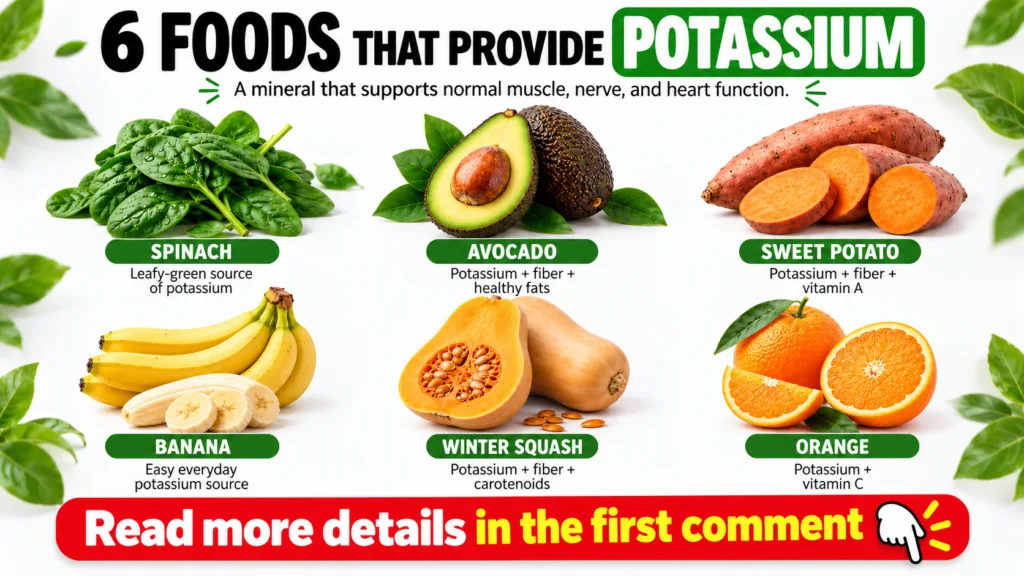
1. Spinach
This leafy green powerhouse is more than just a salad base. Spinach is packed with vitamins K, A, and C, and a good source of potassium. A single cup of cooked spinach can provide a significant amount of your daily needs.
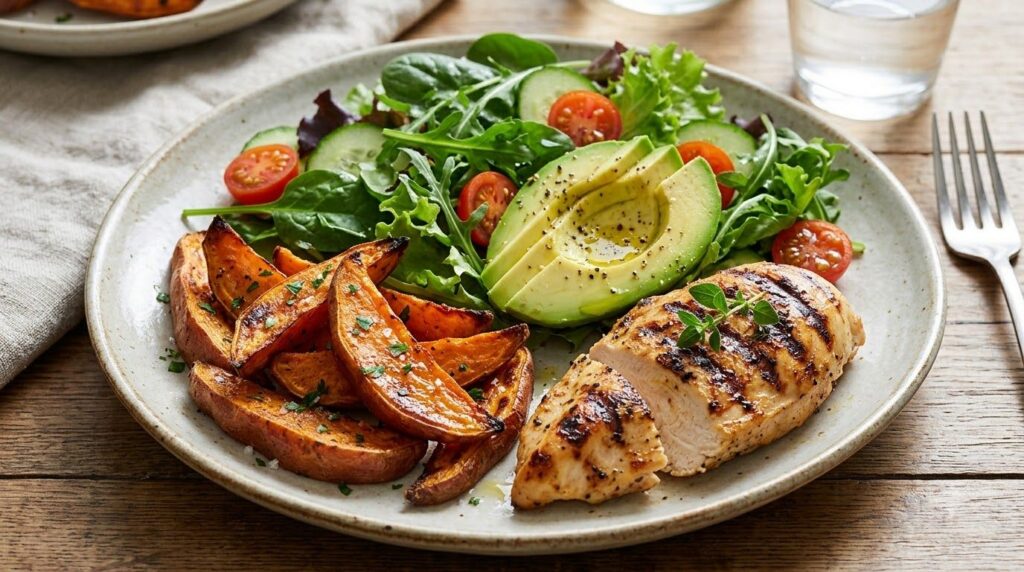
- Best Ways to Eat: Add it to smoothies, sauté it with garlic, mix into scrambled eggs, or use it as a bed for grilled chicken or fish.
2. Avocado
Known for its healthy fats, avocado is also an excellent source of potassium. In fact, one medium avocado can contain more potassium than a banana! It also offers fiber and vitamins C, E, and K.
- Best Ways to Eat: Mash it into guacamole, slice it onto toast, add it to salads and sandwiches, or blend into creamy dressings.
3. Sweet Potato
Sweet potatoes are not only delicious but also incredibly nutritious. They are rich in potassium, fiber, and beta-carotene (which converts to vitamin A in the body). A medium sweet potato can offer a substantial potassium boost.
- Best Ways to Eat: Roast them as a side dish, bake them whole, mash them, or make sweet potato fries.
4. Banana
Perhaps the most famous potassium-rich fruit, bananas are convenient and versatile. They also provide natural sugars for energy and dietary fiber, supporting digestive health.
- Best Ways to Eat: Enjoy them as a quick snack, slice them into oatmeal or cereal, blend into smoothies, or use in baking.
5. Winter Squash
Varieties like butternut, acorn, and spaghetti squash are not only hearty and comforting but also excellent sources of potassium, fiber, and vitamins A and C. Their earthy sweetness makes them a wonderful addition to many meals.
- Best Ways to Eat: Roast cubes with herbs, puree into soups, or bake and stuff with other healthy ingredients.
6. Orange
Beyond being a classic source of vitamin C, oranges also provide a good amount of potassium. They are refreshing, hydrating, and contain beneficial antioxidants.
- Best Ways to Eat: Enjoy fresh as a snack, add segments to salads, or squeeze for fresh juice (in moderation due to sugar content).
Potassium Power: Quick Comparison
Here’s a snapshot of the potassium content and other key nutrients in a typical serving of these beneficial foods:
| Food | Serving Size | Approx. Potassium (mg) | Calories | Main Nutrients | Best Benefit |
|---|---|---|---|---|---|
| Spinach | 1 cup cooked | 839 | 41 | Vit K, Vit A, Folate | Bone & Eye Health |
| Avocado | 1 medium | 975 | 322 | Healthy Fats, Fiber | Heart Health & Satiety |
| Sweet Potato | 1 medium baked | 542 | 103 | Vit A, Fiber | Vision & Digestion |
| Banana | 1 medium | 422 | 105 | Vit B6, Vit C | Energy & Digestion |
| Winter Squash | 1 cup cooked | 583 | 83 | Vit A, Vit C | Immune Support |
| Orange | 1 medium | 237 | 62 | Vit C, Fiber | Immune & Skin Health |
*Approximate values; actual content may vary.
Scientific Explanation: How Potassium Works in Your Body
Potassium is an electrolyte, meaning it carries an electrical charge when dissolved in body fluids like blood. This electrical activity is crucial for the functions of nerves and muscles. Along with sodium, potassium helps maintain the body’s fluid balance, which is vital for normal blood pressure and proper cell function.
It helps in the transmission of nerve signals through a process called the sodium-potassium pump. This pump actively moves sodium ions out of cells and potassium ions into cells, creating an electrical gradient necessary for nerve impulses. In muscles, this electrical gradient triggers muscle contractions, allowing for movement and supporting the rhythmic beating of your heart.
Best Ways to Integrate Potassium-Rich Foods into Your Diet
Making these foods a regular part of your meals can be simple and enjoyable:
- Start Your Day Strong: Add banana or avocado to your morning smoothie. Stir spinach into scrambled eggs or an omelet.
- Lunchtime Boost: Include sliced avocado in your sandwiches or salads. Add roasted sweet potato or winter squash to grain bowls.
- Dinner Delight: Sautéed spinach makes a quick and healthy side. Roast sweet potatoes or winter squash alongside your main protein.
- Smart Snacking: Grab a banana or an orange for an easy, portable snack. Enjoy avocado slices with a pinch of salt and pepper.
- Get Creative: Experiment with different recipes! Think sweet potato and black bean chili, avocado pasta sauce, or spinach and feta quiche.
Potential Risks and Considerations
While a potassium-rich diet is generally beneficial for most people, there are specific situations where you might need to monitor your intake:
- Kidney Disease: Individuals with kidney problems may struggle to excrete excess potassium, leading to a dangerous buildup in the blood (hyperkalemia). If you have kidney disease, consult your doctor about appropriate potassium intake.
- Certain Medications: Some medications, like ACE inhibitors or potassium-sparing diuretics, can increase potassium levels in the body. Discuss your diet with your healthcare provider if you are taking these.
- Over-Supplementation: Getting potassium from whole foods is generally safe. However, taking high-dose potassium supplements without medical supervision can be risky and may lead to adverse effects.
Always consult a qualified healthcare professional or registered dietitian for personalized dietary recommendations, especially if you have underlying health conditions.
Practical Tips for a Potassium-Packed Diet
- Eat More Fruits and Veggies: Aim for a variety of colorful produce daily. Many fruits and vegetables are natural sources of potassium.
- Choose Whole Foods: Processed foods often contain more sodium and less potassium. Prioritize whole, unprocessed options.
- Cook at Home: Preparing your own meals gives you control over ingredients and nutrient content.
- Hydrate Smartly: While not a potassium source, adequate water intake is crucial for overall electrolyte balance.
- Read Food Labels: Look for foods that list potassium as a nutrient.
FAQs About Potassium and Healthy Eating
Q1: How much potassium do adults need daily?
Most healthy adults should aim for around 3,400 mg for men and 2,600 mg for women per day, though individual needs can vary. It’s best to discuss with a healthcare professional.
Q2: Can I get too much potassium from food alone?
It’s very difficult for healthy individuals to get too much potassium from food alone because the kidneys are very efficient at excreting any excess. Problems usually arise from supplements or underlying health conditions.
Q3: Are dried fruits good sources of potassium?
Yes, dried fruits like apricots, prunes, and raisins are concentrated sources of potassium. However, they are also high in sugar and calories, so enjoy them in moderation.
Q4: What are the signs of low potassium?
Symptoms of low potassium (hypokalemia) can include muscle weakness, fatigue, muscle cramps, and constipation. Severe cases can affect heart rhythm.
Q5: Is potassium lost when cooking vegetables?
Some potassium can leach into cooking water, especially with boiling. Steaming, roasting, or stir-frying can help retain more nutrients.
Q6: Can potassium help with muscle cramps?
Potassium, along with other electrolytes like magnesium and sodium, plays a role in muscle function. Ensuring adequate intake may help reduce the frequency of muscle cramps for some individuals, especially if the cramps are due to electrolyte imbalance.
Q7: Do all fruits contain potassium?
Most fruits contain some potassium, but certain ones like bananas, oranges, cantaloupe, and avocados are particularly rich sources.
Q8: Can a vegetarian diet provide enough potassium?
Absolutely! Many plant-based foods, including fruits, vegetables, beans, and lentils, are excellent sources of potassium, making a vegetarian or vegan diet naturally rich in this mineral.
Conclusion
Potassium is an indispensable mineral that supports your heart, muscles, and nerves, contributing significantly to your overall vitality. By consciously including delicious foods like spinach, avocado, sweet potatoes, bananas, winter squash, and oranges in your diet, you can easily boost your intake and reap the numerous health benefits.
Embracing a diet rich in whole, unprocessed foods is one of the best steps you can take for your well-being. We hope this guide inspires you to explore new recipes and make these potassium powerhouses a regular part of your healthy lifestyle. Keep nourishing your body, and it will thank you!
This content is for educational purposes only and should not be considered medical advice. Consult a qualified healthcare professional for personalized dietary recommendations.