Feeling tired or low on energy? Iron might be the key to revitalizing your day! Iron is an essential mineral that plays a crucial role in our body’s functions, most notably in forming hemoglobin, the protein in red blood cells that carries oxygen from your lungs to all parts of your body.
Without enough iron, your body can’t produce enough healthy red blood cells, leading to iron deficiency anemia. This can leave you feeling fatigued, weak, and unable to concentrate. The good news is that many delicious and accessible foods are packed with this vital nutrient.
In this article, we’ll explore a variety of iron-rich foods, break down their nutritional benefits, and provide practical tips on how to incorporate them into your daily meals. Get ready to boost your energy levels and support your overall wellness!
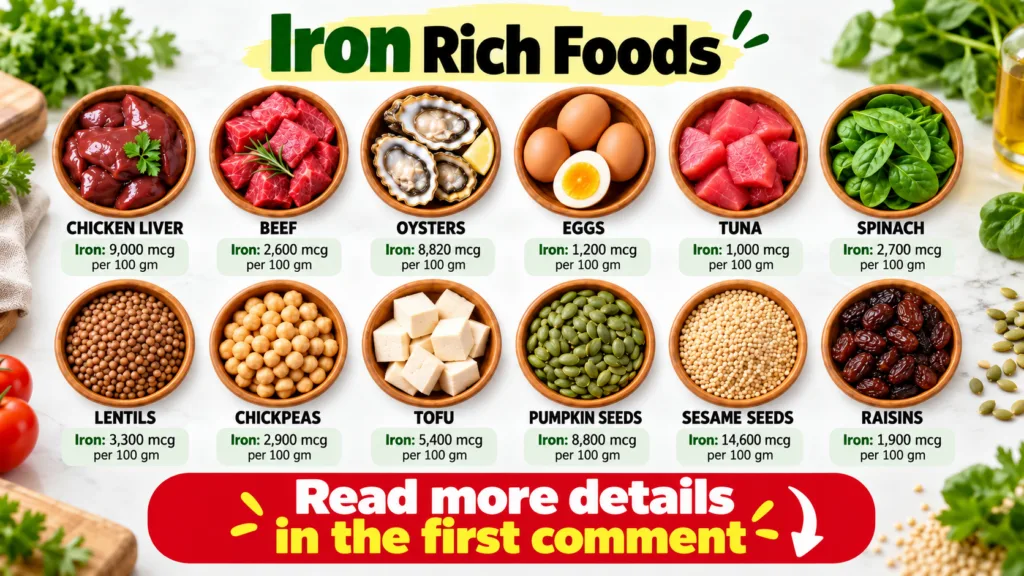
Your Essential Iron-Rich Food Chart
Here’s a helpful chart featuring some of the best foods to boost your iron intake, along with their approximate nutritional values for common serving sizes.
| Food | Calories | Protein (g) | Carbs (g) | Fat (g) | Fiber (g) | Main Nutrients | Best Benefit |
|---|---|---|---|---|---|---|---|
| Beef (3 oz, cooked) | 250 | 25 | 0 | 15 | 0 | Iron, Zinc, B12 | Excellent Heme Iron Source |
| Chicken Liver (3 oz, cooked) | 160 | 23 | 3 | 6 | 0 | Iron, B12, Vitamin A | Highest Heme Iron Content |
| Lentils (1 cup, cooked) | 230 | 18 | 40 | 0.5 | 16 | Iron, Folate, Fiber | Good Plant-Based Iron |
| Spinach (1 cup, cooked) | 40 | 5 | 7 | 0.5 | 4 | Iron, Vitamin K, A, C | Versatile Veggie Iron Source |
| Tofu (1/2 cup, firm) | 95 | 10 | 2 | 5 | 1 | Iron, Calcium, Protein | Plant-Based Protein & Iron |
| Chickpeas (1 cup, cooked) | 270 | 14 | 45 | 4 | 12 | Iron, Fiber, Protein | Hearty Legume Iron |
| Pumpkin Seeds (1/4 cup) | 180 | 8 | 3 | 16 | 2 | Iron, Magnesium, Zinc | Snackable Iron Source |
| Oysters (3 oz, cooked) | 70 | 8 | 3 | 2 | 0 | Iron, Zinc, B12 | Rich Seafood Iron |
| Quinoa (1 cup, cooked) | 222 | 8 | 39 | 3.5 | 5 | Iron, Magnesium, Fiber | Gluten-Free Grain Iron |
| Sesame Seeds (2 tbsp) | 100 | 3 | 4 | 9 | 2 | Iron, Calcium, Manganese | Small but Mighty Iron |
| Dark Chocolate (1 oz, 70-85%) | 170 | 2 | 13 | 12 | 3 | Iron, Magnesium, Antioxidants | Delicious Iron Treat |
| Raisins (1/4 cup) | 110 | 1 | 29 | 0 | 1 | Iron, Potassium, Fiber | Sweet Iron Snack |
Understanding Iron: Heme vs. Non-Heme
Not all iron is created equal! There are two main types of iron found in food:
- Heme Iron: This type is found in animal products like meat, poultry, and seafood. It’s easily absorbed by your body, making it a highly bioavailable form of iron.
- Non-Heme Iron: Found in plant-based foods such as vegetables, grains, nuts, and legumes, non-heme iron is less readily absorbed than heme iron. However, its absorption can be significantly improved when consumed with vitamin C-rich foods.
Understanding these differences can help you make more informed choices to maximize your iron intake.
Best Ways to Eat Iron-Rich Foods
Integrating these foods into your diet can be both simple and delicious:
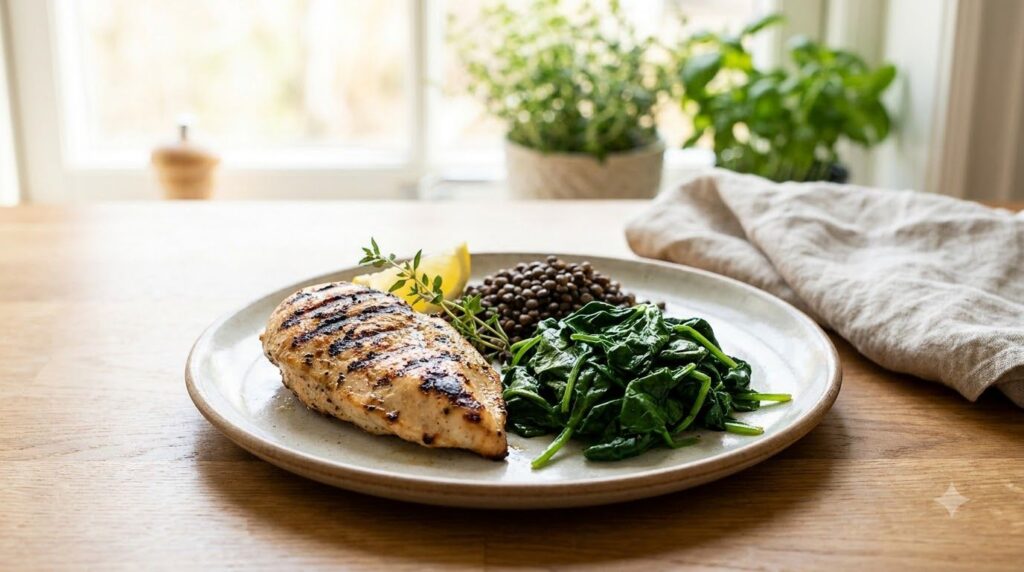
- Meat & Poultry: Enjoy lean beef in stews, stir-fries, or grilled. Chicken liver can be used in pâtés or cooked with onions for a rich meal.
- Legumes: Add lentils to soups, stews, or make a hearty lentil salad. Chickpeas are excellent in hummus, curries, or roasted for a crunchy snack.
- Leafy Greens: Sauté spinach with garlic as a side dish, blend it into smoothies, or add it to omelets.
- Seeds & Nuts: Sprinkle pumpkin or sesame seeds over salads, yogurt, or incorporate them into homemade granola bars.
- Seafood: Oysters are a delicacy, but other seafood like tuna can be added to salads or sandwiches.
- Fortified Grains: Many breakfast cereals and breads are fortified with iron. Check the nutrition labels!
Smart Serving Suggestions
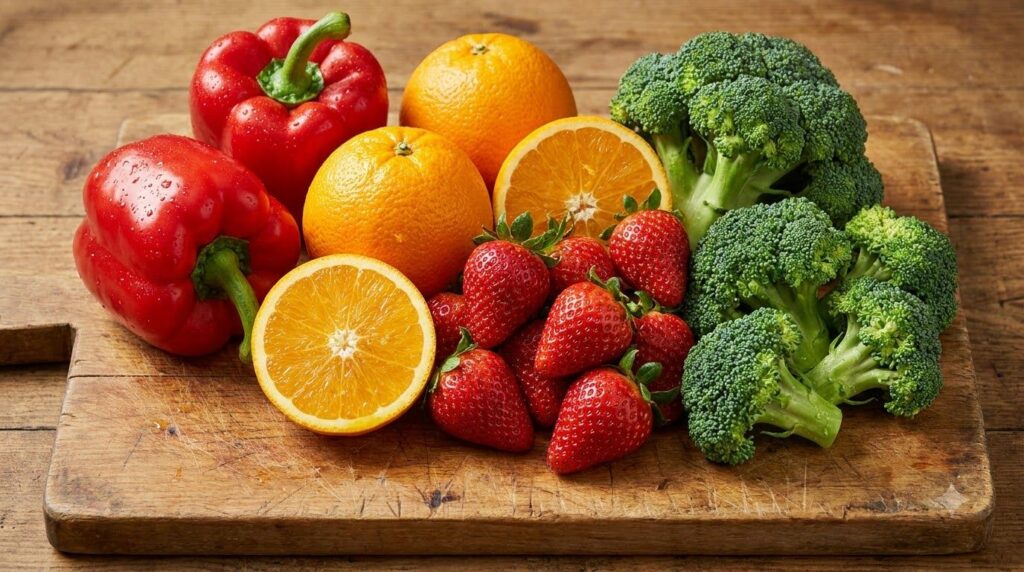
Pair non-heme iron sources with foods high in Vitamin C to boost absorption. Think squeezing lemon juice over spinach, adding bell peppers to a lentil dish, or having oranges with your fortified cereal.
Who Should Pay Extra Attention to Iron Intake?
While everyone needs iron, certain groups have higher requirements or are at greater risk of deficiency:
- Women of Childbearing Age: Due to blood loss during menstruation.
- Pregnant Women: To support increased blood volume and the developing fetus.
- Infants and Young Children: Especially during rapid growth phases.
- Vegetarians and Vegans: As their diets primarily consist of non-heme iron.
- Frequent Blood Donors: Due to regular blood loss.
- Individuals with Certain Health Conditions: Such as chronic kidney disease or inflammatory bowel disease.
Practical Tips for Maximizing Iron Absorption
- Pair with Vitamin C: Always try to eat non-heme iron foods with a source of Vitamin C (e.g., spinach with citrus dressing, lentils with tomatoes).
- Cook in Cast Iron: Cooking in cast iron pots or pans can subtly increase the iron content of your food.
- Avoid Tannins with Iron Meals: Compounds in tea and coffee (tannins) can inhibit iron absorption. Try to consume these beverages between meals rather than with them.
- Limit Calcium & Phytates with Iron: While essential, calcium and phytates (found in whole grains and legumes) can also reduce iron absorption. Don’t avoid these foods, but be mindful of combining very high amounts with iron-rich meals, especially if you have a known deficiency.
FAQs About Iron and Iron-Rich Foods
What are the symptoms of low iron?
Common symptoms include fatigue, weakness, pale skin, shortness of breath, dizziness, cold hands and feet, brittle nails, and unusual cravings for non-food items like ice (pica).
Can I get enough iron from a plant-based diet?
Yes, it is absolutely possible! A well-planned plant-based diet rich in legumes, leafy greens, seeds, nuts, and fortified foods can provide ample iron. Combining these with Vitamin C sources is key for optimal absorption.
How much iron do I need daily?
The recommended daily allowance (RDA) varies by age, sex, and life stage. For adult men, it’s typically 8 mg. For adult women aged 19-50, it’s 18 mg, increasing to 27 mg during pregnancy. Always consult a healthcare professional for personalized recommendations.
Are iron supplements necessary?
Iron supplements should only be taken under the guidance of a healthcare professional. Too much iron can be harmful. A blood test can determine if you have a deficiency and if supplementation is appropriate.
Does cooking affect the iron content of food?
Cooking methods generally do not significantly decrease the iron content in foods. In fact, cooking certain foods like leafy greens can sometimes make their iron more bioavailable by breaking down compounds that inhibit absorption.
Can children get enough iron from food?
Yes, children can get enough iron from a varied diet including iron-fortified cereals, pureed meats, and cooked leafy greens (for older children). Parents should consult a pediatrician about their child’s specific iron needs.
Conclusion
Incorporating a variety of iron-rich foods into your diet is a powerful step towards boosting your energy, supporting healthy blood function, and enhancing your overall wellness. Whether you prefer lean meats, vibrant legumes, crunchy seeds, or leafy greens, there’s a delicious way to meet your iron needs.
Remember to pair non-heme iron sources with Vitamin C for better absorption and consult with a healthcare professional if you suspect an iron deficiency. By making smart food choices, you can feel more energetic and vibrant every day. Explore more healthy food content on our website to continue your journey to a healthier you!
This content is for educational purposes only and should not be considered medical advice. Consult a qualified healthcare professional for personalized dietary recommendations.