When you think of calcium, dairy products like milk and cheese probably come to mind first. While these are excellent sources, calcium is a vital mineral found in a wide variety of foods, many of which are plant-based. Boosting your calcium intake isn’t just about stronger bones and teeth; it’s essential for nerve function, muscle contraction, and a healthy heart.
This article will explore the amazing benefits of calcium and highlight some of the best foods to help you meet your daily needs. Whether you’re looking for dairy alternatives or simply want to diversify your nutrient intake, you’ll discover delicious and practical ways to keep your bones happy and healthy.
The Mighty Benefits of Calcium for Your Body
Calcium plays a far more extensive role in your body than just building strong bones. It’s a fundamental mineral involved in many bodily processes. Here’s why it’s so important:
- Bone and Tooth Health: About 99% of the body’s calcium is stored in the bones and teeth, providing structural support. Adequate calcium intake throughout life helps prevent osteoporosis, a condition that makes bones weak and brittle.
- Muscle Function: Calcium is crucial for muscle contraction, including the beating of your heart. Without it, your muscles wouldn’t be able to move efficiently.
- Nerve Transmission: This mineral helps your nerves carry messages between your brain and every part of your body. It allows your nervous system to function correctly.
- Blood Clotting: Calcium is a key player in the complex process of blood clotting, helping to stop bleeding when you get a cut or injury.
- Hormone Secretion: It’s involved in the release of hormones and enzymes that regulate various bodily functions.
Top Calcium-Rich Foods to Boost Your Intake
Meeting your daily calcium needs is easier and more delicious than you might think. Beyond traditional dairy, there’s a wealth of options available:
Leafy Green Vegetables
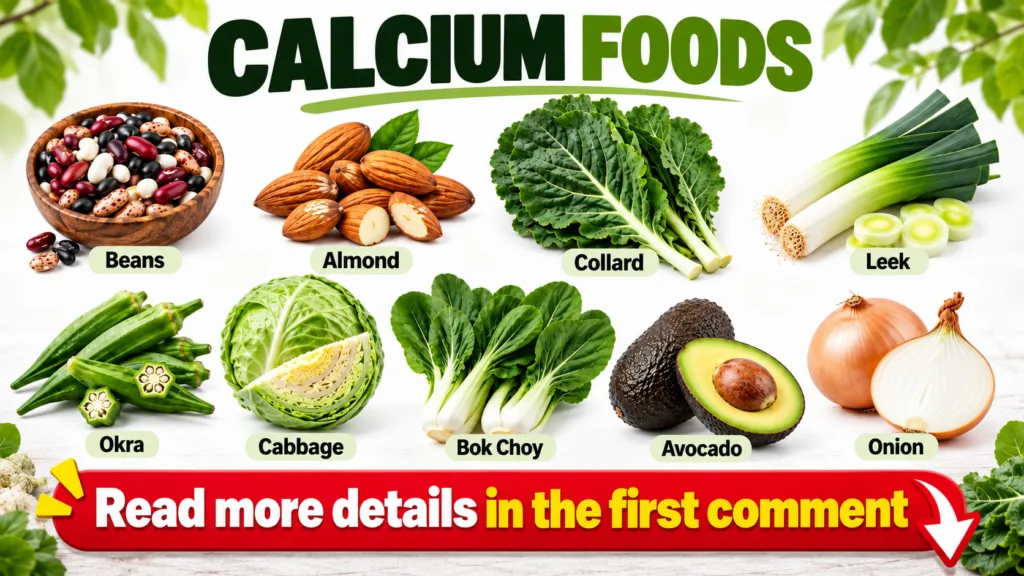
- Collard Greens: A powerhouse of nutrients, these greens offer a significant amount of calcium.
- Bok Choy: This mild-flavored cruciferous vegetable is another excellent source of plant-based calcium.
- Cabbage and Okra: These vegetables also contribute to your daily calcium intake.
- Kale: Often called a superfood, kale is rich in calcium, along with vitamins K, A, and C.
- Spinach: While it contains calcium, spinach also has oxalates which can inhibit absorption, so it’s best paired with other calcium sources.
Nuts and Seeds
- Almonds: A fantastic snack, almonds provide calcium, healthy fats, and protein.
- Chia Seeds: These tiny seeds pack a calcium punch, along with fiber and omega-3s.
- Sesame Seeds: Often found in tahini, sesame seeds are a good source of calcium.
Legumes and Beans
- White Beans: Versatile and nutrient-dense, white beans offer a good amount of calcium and fiber.
- Edamame: Whether in pods or shelled, edamame is a tasty way to get calcium and protein.
- Black Beans: These common beans also contribute to your calcium intake.
- Lentils: Another staple in many diets, lentils provide calcium, iron, and fiber.
Fortified Foods
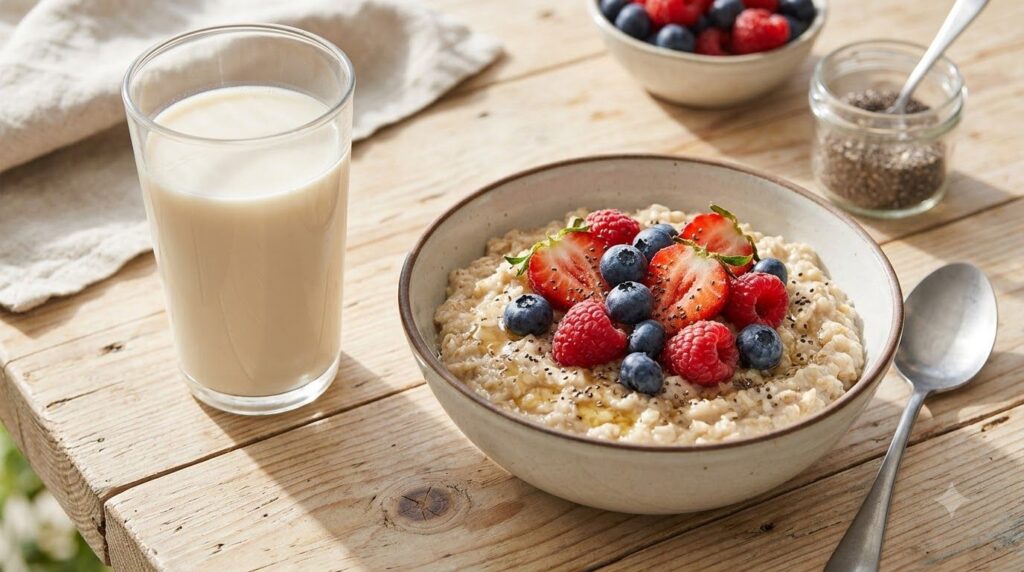
- Fortified Plant Milks: Almond, soy, oat, and rice milks are often fortified with calcium to levels comparable to cow’s milk.
- Fortified Orange Juice: Some brands offer orange juice fortified with calcium.
- Fortified Cereals: Many breakfast cereals are enhanced with calcium and other vitamins.
Other Notable Sources
- Sardines and Canned Salmon: When eaten with the soft bones, these fish are incredible sources of calcium and vitamin D.
- Leeks and Onions: While not as high as leafy greens, these vegetables still contribute small amounts of calcium.
- Avocado: A small amount of calcium can also be found in avocados, along with healthy fats.
Understanding Calcium Absorption
It’s not just about how much calcium you consume, but also how well your body absorbs it. Several factors can influence this:
- Vitamin D: This vitamin is essential for calcium absorption in the gut. Make sure you’re getting enough vitamin D through sunlight exposure, fortified foods, or supplements if needed.
- Magnesium: Magnesium helps activate vitamin D, which in turn helps regulate calcium and phosphate homeostasis.
- Oxalates and Phytates: Compounds found in some plant foods (like oxalates in spinach and phytates in legumes and whole grains) can bind to calcium, reducing its absorption. However, the overall benefits of these foods usually outweigh this effect. Soaking, sprouting, and cooking can help reduce these compounds.
Smart Ways to Boost Your Calcium Intake
Incorporating more calcium-rich foods into your daily routine can be simple and enjoyable. Here are some practical ideas:
- Smoothie Power-Up: Add fortified plant milk, chia seeds, and a handful of spinach or kale to your morning smoothie.
- Salad Sensations: Pile your salads high with collard greens, bok choy, and a sprinkle of almonds or sesame seeds.
- Snack Smart: Munch on a handful of almonds or a serving of edamame for a calcium-rich snack.
- Meal Makeovers: Use white beans in soups or stews, or incorporate lentils into tacos or pasta sauces.
- Breakfast Boost: Choose calcium-fortified cereals with fortified plant milk.
Potential Risks and Considerations
While calcium is crucial, both too little and too much can lead to health issues.
Calcium Deficiency (Hypocalcemia)
Insufficient calcium intake over time can lead to:
- Osteopenia and Osteoporosis: Weakening of bones, increasing fracture risk.
- Muscle Cramps and Spasms: Calcium plays a role in muscle function.
- Numbness and Tingling: Especially in the fingers and around the mouth.
- Fatigue: Persistent tiredness.
Excess Calcium (Hypercalcemia)
While rare from food sources alone, taking high doses of calcium supplements can lead to:
- Constipation: A common side effect.
- Kidney Stones: Increased risk, especially if not adequately hydrated.
- Impaired Mineral Absorption: Can interfere with the absorption of other minerals like iron and zinc.
- Heart Problems: In very rare cases, extremely high levels can impact heart function.
It’s always best to aim for your calcium needs through a balanced diet first. Consult a healthcare professional before starting any new supplements.
Practical Tips for Boosting Calcium Intake
- Read Food Labels: Look for the percentage of daily value (%DV) for calcium to make informed choices.
- Combine Sources: Mix and match various calcium-rich foods throughout your day to ensure adequate intake and absorption.
- Consider Vitamin D: Ensure you’re also getting enough vitamin D to help with calcium absorption.
- Stay Hydrated: Drinking plenty of water is always important for overall health, including kidney function when processing minerals.
Frequently Asked Questions About Calcium
Q: How much calcium do adults need daily?
A: Most adults between 19 and 50 years old need about 1,000 mg of calcium per day. Women over 50 and men over 70 typically need 1,200 mg per day.
Q: What are the best non-dairy calcium sources?
A: Excellent non-dairy sources include leafy greens (collard greens, bok choy, kale), fortified plant milks and juices, tofu (calcium-set), canned fish with bones (sardines, salmon), and certain nuts and seeds (almonds, chia seeds).
Q: Does vitamin D help with calcium absorption?
A: Yes, vitamin D is crucial for helping your body absorb calcium from your gut and deposit it into your bones.
Q: Can I get too much calcium from food alone?
A: It’s very difficult to consume too much calcium from food alone. Most cases of excessive calcium intake (hypercalcemia) are linked to high-dose calcium supplements.
Q: Are calcium supplements necessary?
A: Calcium supplements may be necessary if you struggle to meet your daily needs through diet alone. However, it’s best to discuss this with your doctor or a registered dietitian, as excessive supplementation can have risks.
Q: Is calcium from plant sources absorbed as well as from dairy?
A: Absorption rates vary among different plant foods. Some plant sources like kale and bok choy have highly bioavailable calcium, comparable to dairy. Others, like spinach, contain compounds that can inhibit absorption. A varied diet of plant-based calcium sources is key.
Conclusion
Calcium is an indispensable mineral for a strong, healthy body, far beyond just robust bones. By incorporating a diverse range of calcium-rich foods into your diet—from vibrant leafy greens and crunchy nuts to versatile legumes and fortified options—you can easily meet your daily needs. Making smart food choices and understanding the factors that influence absorption can empower you to support your bone health and overall well-being.
Explore these delicious options and discover how simple it is to boost your bones and vitality!
This content is for educational purposes only and should not be considered medical advice. Consult a qualified healthcare professional for personalized dietary recommendations.