Do you often feel like you’re in a losing battle with garden pests? The sight of chewed leaves, stunted growth, and damaged fruits can be disheartening, making you wonder if a truly healthy, abundant harvest is even possible without chemical interventions. Imagine a garden where your prized vegetables flourish, protected by a clever, natural defense system that coexists beautifully with your plants. This isn’t a fantasy; it’s the power of trap cropping.
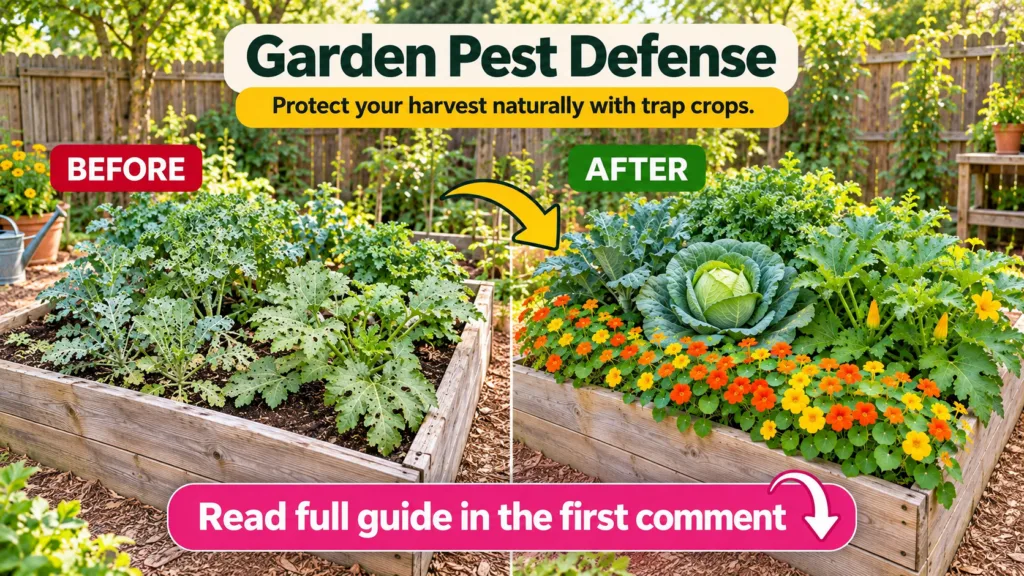
Trap crops offer an elegant, organic solution to common garden woes, diverting troublesome insects away from your valuable produce. By strategically planting specific varieties, you can create a biological shield that keeps your main crops healthy and vibrant. This guide will walk you through understanding and implementing an effective trap crop system, helping you cultivate a more resilient and productive garden, just like the transformation seen in successful garden beds.
The Genius of Trap Cropping: A Natural Pest Management Strategy
Trap cropping is a time-tested organic pest management technique that leverages the natural preferences of insects. The core idea is simple: plant specific crops that are more attractive to certain pests than your main, desired crops. These ‘sacrificial’ plants act as a decoy, luring pests away from your valuable vegetables, fruits, or flowers. Once the pests congregate on the trap crop, you can then manage them more easily, or simply let nature take its course without harming your primary harvest.
How Trap Crops Work Their Magic
The effectiveness of trap cropping relies on understanding pest behavior and plant attractiveness. Here’s a breakdown of how it works:
- Attraction: Pests are often drawn to specific plant characteristics, such as scent, color, texture, or nutritional content. Trap crops are chosen because they possess these highly desirable traits for target pests.
- Diversion: By planting these alluring trap crops strategically, usually around the perimeter or interplanted with your main crops, pests will head directly for them, leaving your prized plants relatively untouched.
- Concentration: Once pests are concentrated on the trap crops, they become easier to manage. This could involve physical removal, targeted organic pest sprays on the trap crop only, or even simply allowing beneficial insects to prey on the concentrated pests.
Benefits Beyond Pest Control
Integrating trap crops into your garden offers numerous advantages, aligning perfectly with organic gardening principles:
- Reduces Chemical Use: By relying on natural attraction, you can significantly lessen or even eliminate the need for chemical pesticides on your edible crops, leading to healthier produce and a safer environment.
- Promotes Biodiversity: Trap crops can support beneficial insects like ladybugs, lacewings, and parasitic wasps by providing them with food, habitat, or a concentrated food source (the pests themselves).
- Healthier Ecosystem: A balanced garden ecosystem thrives when natural processes are encouraged. Trap cropping contributes to this balance, creating a more resilient and self-sustaining garden.
- Cost-Effective: Many trap crops are inexpensive to grow, and the long-term benefits outweigh the initial investment.
- Educational and Engaging: It’s a fascinating way to observe nature in action and deepen your understanding of garden ecology.
Choosing the Right Trap Crops for Your Garden
Selecting the appropriate trap crop depends on the specific pests you’re trying to deter. Here are some popular pairings:
- Nasturtiums: Excellent for attracting aphids, cabbage worms, and squash bugs. They’re also beautiful and edible!
- Dill: Highly attractive to aphids, which will congregate on the dill, sparing your other plants.
- Mustard Greens: A favorite of flea beetles and cabbage worms. Plant them near kale, broccoli, or cabbage.
- Marigolds (French and African varieties): Known to deter nematodes (when planted as a cover crop) and some beetles.
- Sacrificial Squash: Plant an early squash variety (like zucchini) a few weeks before your main squash crop to attract squash bugs and vine borers.
- Radishes: Quick-growing and irresistible to flea beetles. Plant them near plants susceptible to flea beetle damage.
Implementing Trap Crops in Your Garden: Practical Steps
Ready to try trap cropping? Here’s how to get started:
- Identify Your Pests: Know what pests are causing problems in your garden. Observation is key!
- Research Trap Crops: Once you know your pests, research which trap crops are most effective against them.
- Strategic Placement:
- Perimeter Planting: Plant trap crops around the edges of your main garden beds to create a protective barrier.
- Interplanting: For some pests, interplanting trap crops directly among your main crops can be effective.
- Timing: Plant trap crops a little earlier than your main crops to ensure they are established and attractive when pests emerge.
- Monitor Regularly: Keep a close eye on your trap crops. Once they are heavily infested, you have a few options:
- Remove and Destroy: If the infestation is severe, remove and dispose of the trap crop plants (away from your garden) to eliminate the pests.
- Introduce Beneficials: If you’re lucky, beneficial insects will find the concentrated pest population on your trap crop and help you out.
- Organic Treatment: Apply organic pest control methods (like insecticidal soap) only to the trap crop, minimizing impact on your main plants.
- Rotate and Replenish: Don’t let your trap crops become a permanent breeding ground. Replace them as needed throughout the season.
Tips for Trap Crop Success
- Start Small: Experiment with one or two trap crop strategies initially to see what works best for your specific garden conditions.
- Be Patient: It can take some time to see the full benefits of trap cropping, as it’s a natural process.
- Combine Strategies: Trap cropping works even better when combined with other organic pest control methods, such as companion planting, attracting beneficial insects, and maintaining healthy soil.
- Know Your Plants: Understand the growth habits of both your trap crops and main crops to ensure they don’t compete negatively for resources.
Embracing trap cropping is a rewarding step towards a more sustainable and vibrant garden. By working with nature, you can grow healthy, abundant plants without harsh chemicals, creating a beautiful and productive space that you’ll be proud to share. Happy gardening!