Are you looking to enhance your lower body strength and achieve a more toned appearance around your hips? Many individuals seek to create smoother, more defined hip contours, often focusing on what are commonly referred to as ‘hip dips.’ These natural indentations are a part of your unique bone structure, but targeted exercises can certainly help build muscle in the surrounding areas, which may lead to a more sculpted look. You’re closer than you think to achieving a shape you feel confident in! Focusing on consistent, targeted exercises can make a huge difference in building strength and definition in your glutes and hips.
It’s about smart effort and dedication, not just endless reps. Small, regular steps lead to amazing transformations over time, focusing on muscle development and overall wellness.
Important Disclaimer: This article is for informational purposes only and is not intended as a substitute for professional medical advice, diagnosis, or treatment. Always seek the advice of your physician or other qualified health provider with any questions you may have regarding a medical condition or before starting any new exercise program.
Understanding Your Hip Contours and Muscle Groups
The term ‘hip dips’ refers to the inward curve seen on the sides of the hips, just below the hip bone and above the thigh. This natural contour is largely influenced by the shape of your pelvis and the way your femur (thigh bone) connects to it. While you cannot change your bone structure, you can absolutely strengthen and build the muscles surrounding this area, particularly the gluteus medius and minimus, as well as the upper gluteal region. Developing these muscles can help create a fuller, more rounded appearance that may contribute to smoother hip contours.
The Power of Targeted Exercise
Targeted exercises for the glutes and abductors (muscles that move your leg away from the body) are key to strengthening and developing the muscles around your hips. A consistent 4-week program can provide a solid foundation for muscle growth, improved stability, and enhanced lower body aesthetics. The focus is on activating and strengthening specific muscle groups to build the supportive musculature in these areas.
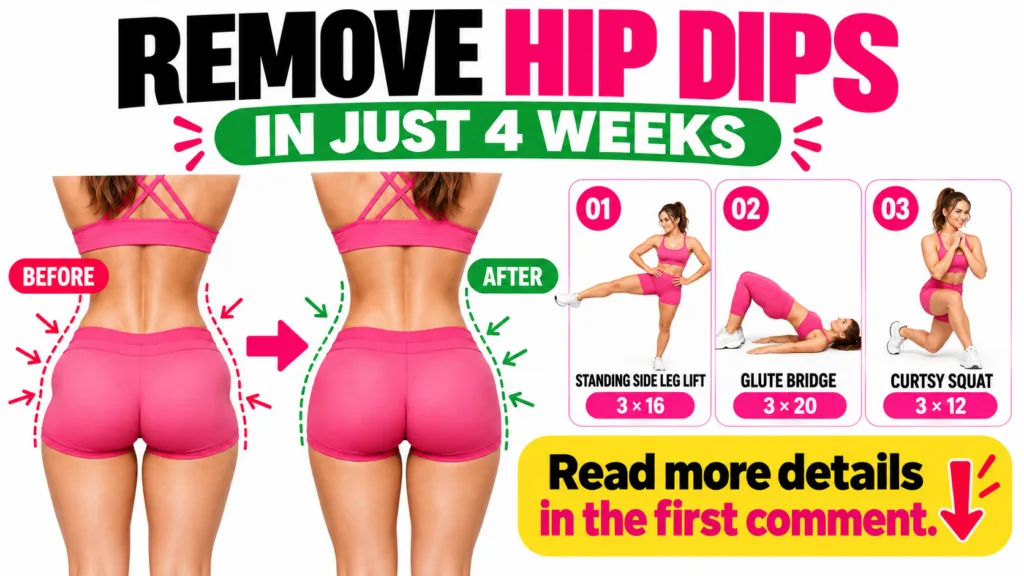
Your 4-Week Hip Sculpting Plan: Key Exercises
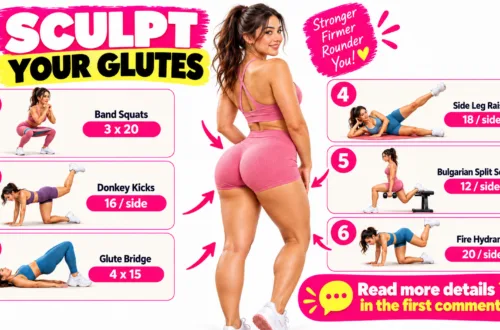
Here are some effective exercises you can incorporate into your routine. Aim for 3-4 sets of 10-15 repetitions for each exercise, 2-3 times per week, allowing for rest days in between.
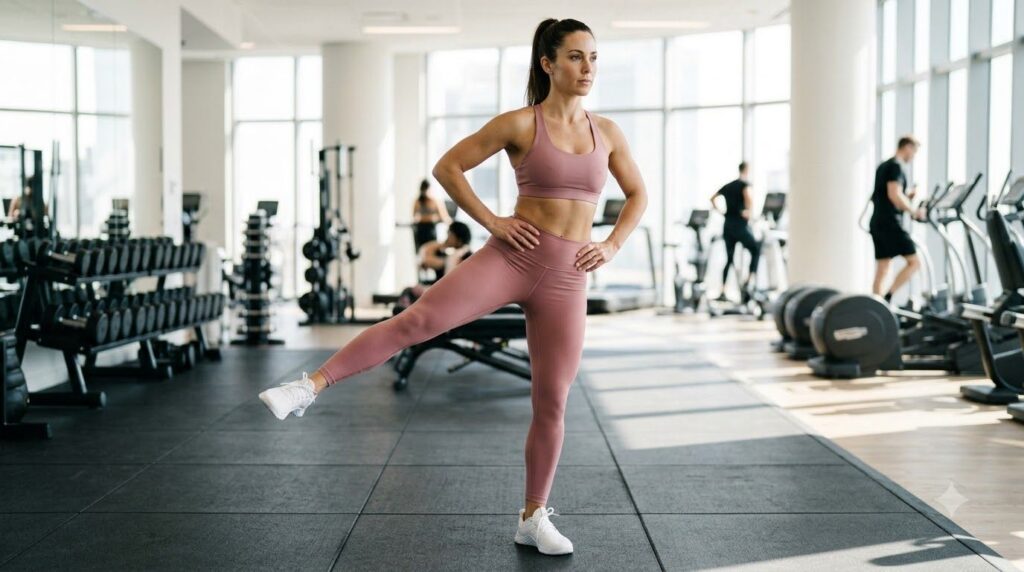
1. Standing Side Leg Lift
- How to: Stand tall with your feet hip-width apart, holding onto a chair or wall for balance if needed. Keeping your core engaged and your body upright, slowly lift one leg out to the side, leading with your heel. Control the movement as you lower your leg back down.
- Benefits: This exercise primarily targets the gluteus medius, an important muscle for hip abduction and stabilization, which may contribute to a fuller upper glute area.
2. Glute Bridge
- How to: Lie on your back with your knees bent and feet flat on the floor, hip-width apart. Your arms should be by your sides, palms down. Engage your glutes and core, then lift your hips off the floor until your body forms a straight line from your shoulders to your knees. Hold for a moment, then slowly lower your hips back down.
- Benefits: Excellent for activating and strengthening the gluteus maximus, which forms the main bulk of your glutes and can contribute to a lifted, rounded appearance.
3. Curtsy Squat
- How to: Stand with your feet hip-width apart. Step one leg diagonally behind the other, as if you’re doing a curtsy. Lower your hips until both knees are bent at roughly 90-degree angles, keeping your front knee aligned over your ankle. Push through your front heel to return to the starting position. Alternate legs.
- Benefits: This compound exercise works the glutes (especially the gluteus medius), quads, and inner thighs, promoting overall lower body strength and shaping.
4. Clamshells
- How to: Lie on your side with your knees bent at a 45-degree angle and stacked one on top of the other. Keep your feet together. Keeping your core engaged and hips stable, lift your top knee towards the ceiling, like a clamshell opening, without letting your heels separate. Slowly lower it back down.
- Benefits: Fantastic for isolating and strengthening the gluteus medius and minimus, crucial for hip stability and the side contour of the hip.
5. Fire Hydrants
- How to: Start on all fours with your hands directly under your shoulders and knees under your hips. Keeping your core tight and your knee bent at 90 degrees, lift one leg out to the side until your thigh is parallel to the floor, resembling a dog lifting its leg. Control the movement as you lower it back down.
- Benefits: Another great exercise for the gluteus medius and hip abductors, helping to build strength and definition in the outer hip area.
Sample 4-Week Workout Schedule (Example)
Remember to listen to your body and adjust as needed. Always warm up with light cardio and dynamic stretches before your workout, and cool down with static stretches afterward.
- Days 1 & 3: Targeted Hip & Glute Workout (Choose 3-5 exercises from the list, perform 3-4 sets of 10-15 reps each)
- Days 2 & 4: Active Recovery / Light Cardio (e.g., walking, cycling, yoga)
- Days 5, 6, 7: Rest or Other Strength Training (Focus on upper body or core, or take complete rest)
Beyond the Exercises: Holistic Wellness for Best Results
While targeted exercises are important, achieving your wellness goals is a holistic journey. Consider these factors for optimal results and overall health:
Nutrition
Support your muscle growth and recovery with a balanced diet rich in lean proteins, complex carbohydrates, and healthy fats. Adequate protein intake is especially important for muscle repair and building.
Hydration
Drinking enough water is crucial for energy levels, muscle function, and overall bodily processes. Aim for at least 8 glasses of water per day.
Rest and Recovery
Muscles grow stronger during rest, not just during workouts. Ensure you’re getting 7-9 hours of quality sleep each night and incorporate rest days into your routine to allow your body to recover and rebuild.
Listen to Your Body
Pay attention to any pain signals. Pushing through sharp pain can lead to injury. Modify exercises or take extra rest days when needed.
Embrace Your Unique Shape
Remember that every body is beautiful and unique. While these exercises can help you build strength and definition, they are meant to enhance your natural shape, not to fundamentally alter your skeletal structure. Focus on becoming stronger, healthier, and more confident in your own skin. Enjoy the process of discovering what your body can achieve!