Understanding portion sizes and calorie intake can feel like solving a complex puzzle. Many people wonder, ‘What does 1,700 calories actually look like in a day?’ This isn’t just a random number; for many, 1,700 calories represents a balanced intake that can support weight management, provide ample energy, and contribute to overall well-being.
In this guide, we’ll break down a typical day’s worth of meals at approximately 1,700 calories. You’ll discover how to create diverse, satisfying, and nutritious meals while staying within your calorie goals. Whether you’re aiming for sustainable weight loss, maintaining your current weight, or simply want to eat more mindfully, this article will provide practical examples and inspiration.
Get ready to see how healthy eating can be both delicious and perfectly portioned!
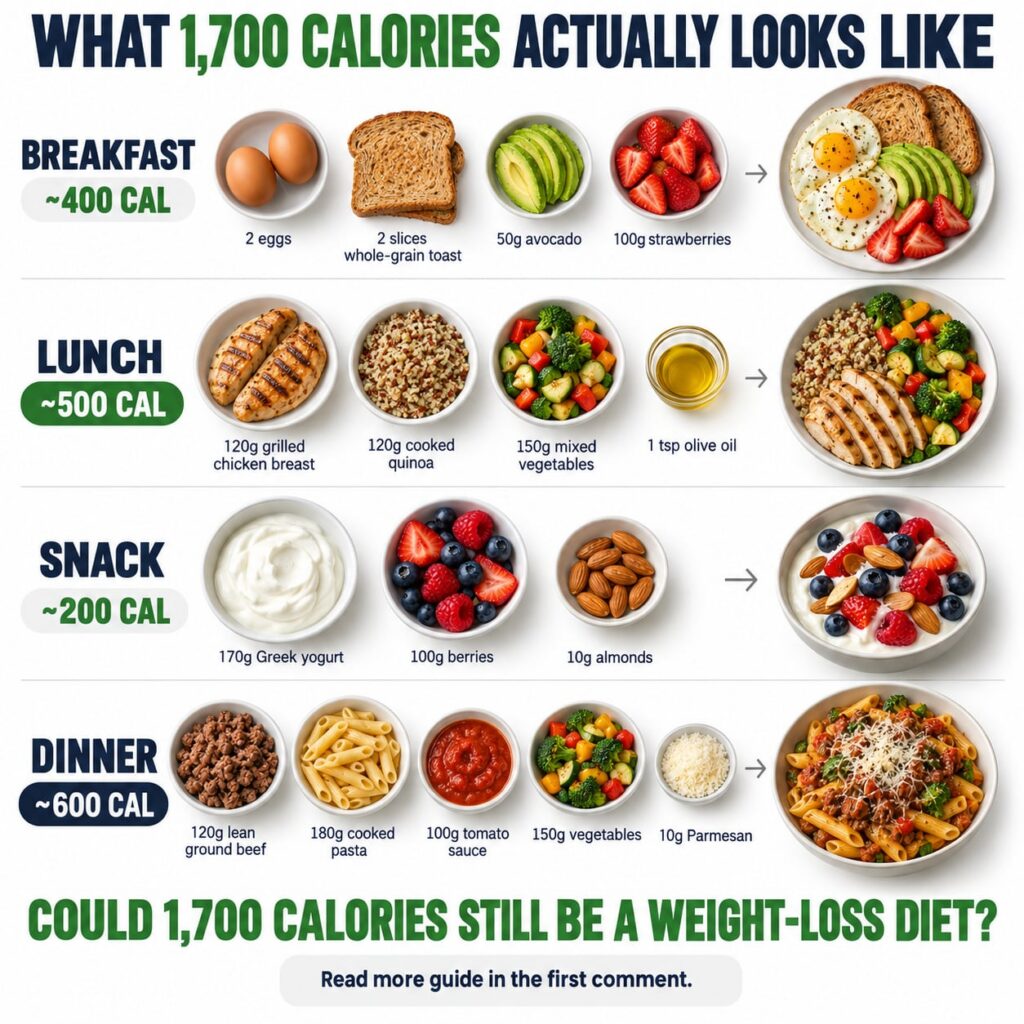
Why 1,700 Calories? Understanding Your Energy Needs
The number 1,700 calories is a common target for many individuals. It can be a suitable calorie goal for:
- Sustainable Weight Loss: For some, a 1,700-calorie diet creates a moderate calorie deficit, which may lead to gradual, healthy weight loss.
- Weight Maintenance: It can be an ideal calorie intake for maintaining weight, especially for moderately active individuals.
- Balanced Nutrition: At this level, it’s often easier to incorporate a wide variety of nutrient-dense foods without feeling overly restricted or hungry.
It’s important to remember that individual calorie needs vary based on factors like age, sex, weight, height, and activity level. Always consult with a healthcare professional or registered dietitian for personalized dietary advice.
A Sample 1,700-Calorie Meal Plan
Here’s what a day of delicious and satisfying meals might look like, totaling approximately 1,700 calories. This plan focuses on whole foods, lean proteins, healthy fats, and plenty of fruits and vegetables.
Breakfast (Approx. 400 Calories)
Start your day with a satisfying and energizing meal.
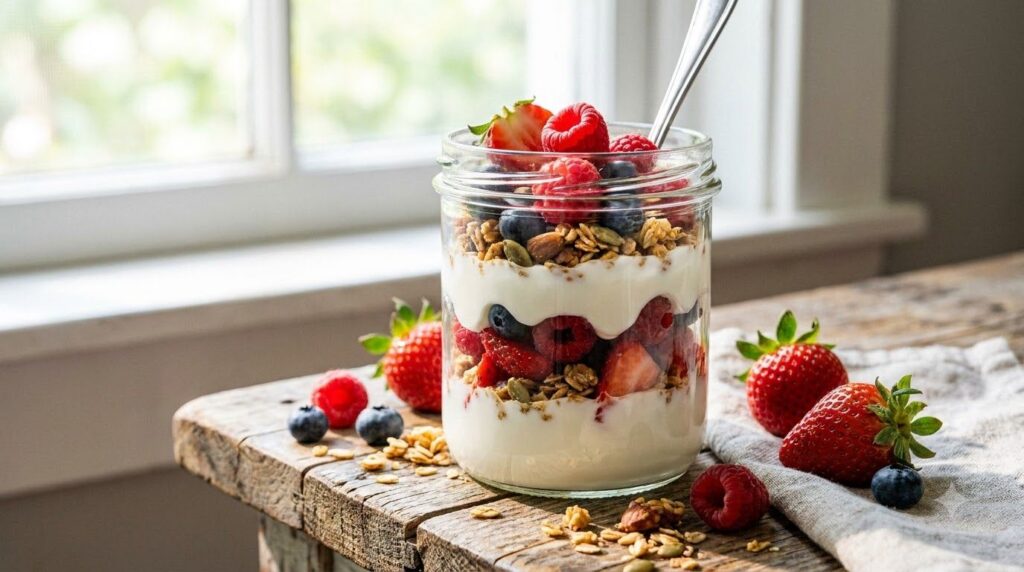
- Greek Yogurt Parfait: 1 cup plain Greek yogurt (low-fat), 1/2 cup mixed berries, 2 tablespoons granola, 1 teaspoon chia seeds.
This meal provides protein for satiety, antioxidants from berries, and fiber from granola and chia seeds.
Lunch (Approx. 500 Calories)
A balanced lunch to keep you fueled through the afternoon.
- Chicken & Avocado Salad: 4 oz grilled chicken breast (sliced), 1 cup mixed greens, 1/2 medium avocado (sliced), 1/4 cup cherry tomatoes, 1/4 cup cucumber, 2 tablespoons light vinaigrette dressing.
- Served with a small whole-grain roll (about 1.5 oz).
This salad is rich in protein, healthy fats, and a variety of vitamins and minerals from the fresh vegetables.
Afternoon Snack (Approx. 200 Calories)
A mid-day boost to curb hunger.
- Apple Slices with Almond Butter: 1 medium apple, 2 tablespoons natural almond butter.
This snack offers fiber and natural sugars from the apple, combined with healthy fats and protein from the almond butter.
Dinner (Approx. 600 Calories)
A hearty and wholesome dinner to round out your day.
- Salmon with Roasted Sweet Potato and Green Beans: 5 oz baked salmon fillet, 1 medium sweet potato (roasted with a drizzle of olive oil), 1 cup steamed green beans.
Packed with omega-3 fatty acids from salmon, complex carbohydrates from sweet potato, and essential nutrients from green beans, this meal is both nutritious and satisfying.
Understanding Portion Sizes is Key
As you can see from the meal plan examples, portion sizes are crucial for hitting a calorie target. Eyeballing can often lead to overconsumption. Here are some tips for mastering portion control:
- Use Measuring Tools: Initially, use measuring cups and a food scale to understand what true portions look like.
- Read Food Labels: Pay attention to serving sizes on packaged foods.
- Visual Cues: Learn to estimate portions using your hand (e.g., a palm-sized portion of protein, a cupped hand for carbs).
- Mindful Eating: Eat slowly, savor your food, and pay attention to your body’s hunger and fullness cues.

Practical Tips for a 1,700-Calorie Lifestyle
- Plan Ahead: Meal prepping or planning your meals a few days in advance can significantly help you stick to your calorie goals and make healthier choices.
- Hydrate: Drink plenty of water throughout the day. Sometimes thirst can be mistaken for hunger.
- Prioritize Protein and Fiber: These nutrients are incredibly satiating, helping you feel fuller for longer and reducing the urge to snack unnecessarily.
- Include Healthy Fats: Don’t shy away from healthy fats (like those found in avocados, nuts, and olive oil) as they contribute to satiety and overall health, even in a calorie-controlled diet.
- Listen to Your Body: While calorie counting can be a useful tool, also pay attention to how different foods make you feel. Adjust your plan based on your energy levels and satisfaction.
- Be Flexible: Life happens! If you go over your calorie target one day, don’t fret. Get back on track with your next meal. Consistency is more important than perfection.
FAQs About a 1,700-Calorie Meal Plan
Is 1,700 calories enough for weight loss?
For many adults, especially women and less active men, 1,700 calories can create a calorie deficit leading to weight loss. However, individual needs vary greatly based on metabolism, activity level, and body composition. It’s best to consult a healthcare professional to determine if this is appropriate for your specific goals.
Can I eat fast food on a 1,700-calorie diet?
Technically, yes, but it makes it much harder to stay within your calorie goal and meet your nutritional needs. Fast food is often high in calories, unhealthy fats, and sodium, while lacking essential vitamins, minerals, and fiber. Choosing nutrient-dense whole foods is usually a better strategy.
What are good snacks for a 1,700-calorie plan?
Focus on nutrient-dense options like a piece of fruit, a handful of nuts, vegetable sticks with hummus, a small serving of Greek yogurt, or a hard-boiled egg. These options provide satiety and important nutrients without excess calories.
How important is exercise with a 1,700-calorie diet?
Exercise is highly beneficial. It not only burns calories, which can help create a larger deficit for weight loss, but also improves overall health, boosts metabolism, and builds muscle. Combining a balanced diet with regular physical activity is often the most effective approach for health and weight management.
How can I ensure I’m getting enough nutrients at 1,700 calories?
Prioritize whole, unprocessed foods. Include a variety of fruits, vegetables, lean proteins, whole grains, and healthy fats. Focus on colorful produce and diverse protein sources to ensure a broad spectrum of vitamins and minerals. Limiting sugary drinks and highly processed foods will also free up calories for more nutritious options.
What if I feel hungry on a 1,700-calorie diet?
If you’re consistently hungry, review your food choices. Are you getting enough protein and fiber? These are key for satiety. Also, ensure you’re drinking enough water. If hunger persists, you may need a slight adjustment to your calorie intake or meal composition, or it could indicate that 1,700 calories is too low for your individual needs. Always listen to your body and consult a professional if concerns continue.
Conclusion
Eating approximately 1,700 calories a day can be a practical and effective strategy for managing your weight and improving your overall health. As we’ve explored, it’s not about deprivation, but about making smart, informed choices that prioritize nutrient-dense, satisfying foods.
By understanding portion sizes, planning your meals, and focusing on a diverse range of whole ingredients, you can build a sustainable eating pattern that fuels your body and supports your wellness goals. Remember, healthy eating should be an enjoyable journey, not a rigid set of rules. We hope this guide inspires you to explore new healthy recipes and embrace mindful eating!
This content is for educational purposes only and should not be considered medical advice. Consult a qualified healthcare professional for personalized dietary recommendations.