Joint health is essential for a happy, active life, but sometimes our joints can feel stiff or achy. Did you know that what you eat can play a significant role in how your joints feel? Incorporating certain foods into your diet can help reduce inflammation, ease discomfort, and support overall joint function.
This article will guide you through nine powerful foods that are known for their joint-supporting benefits. You’ll learn why these foods are beneficial, how they work, and practical ways to add them to your daily meals. Get ready to move with more ease and embrace a healthier lifestyle!
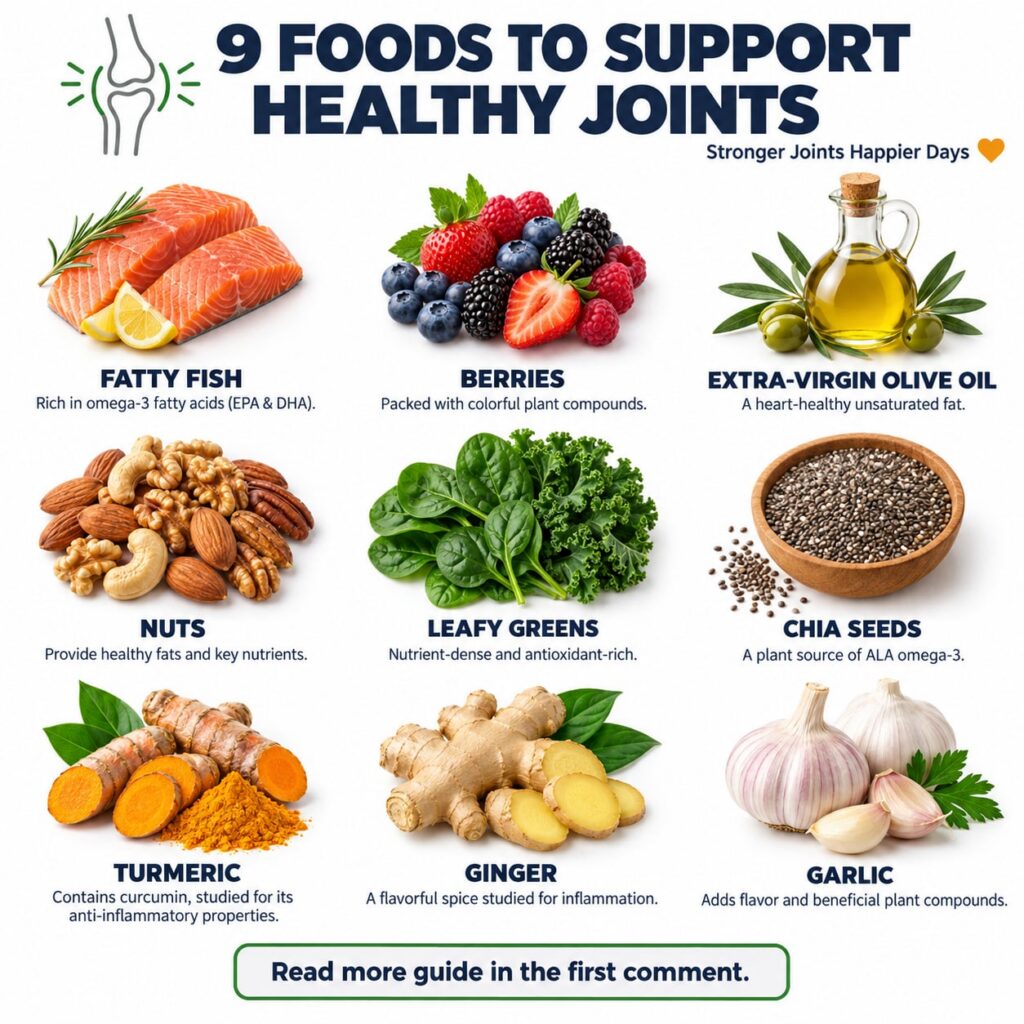
9 Foods to Support Healthy Joints
1. Fatty Fish (like Salmon)
Fatty fish such as salmon, mackerel, and sardines are packed with omega-3 fatty acids. These healthy fats are powerful anti-inflammatory agents that can help reduce joint pain and stiffness, especially in conditions like rheumatoid arthritis.
- Why it helps: Omega-3s can block inflammatory pathways and reduce the production of inflammatory chemicals in the body.
- Best ways to eat: Enjoy grilled or baked salmon a few times a week, add smoked salmon to salads, or incorporate sardines into pasta dishes.
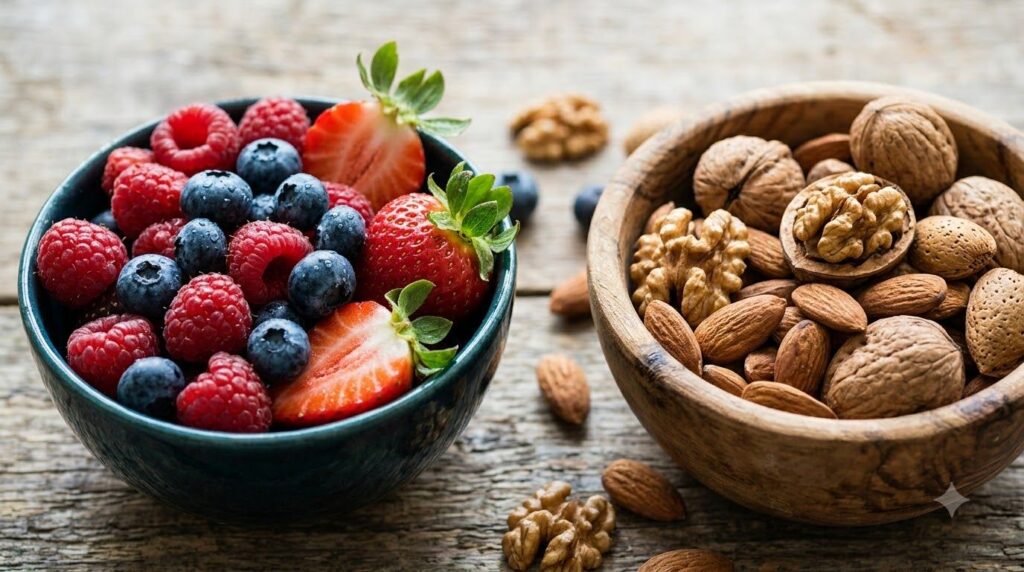
2. Berries
Strawberries, blueberries, raspberries, and cherries are bursting with antioxidants, particularly anthocyanins, which give them their vibrant colors. These compounds help combat oxidative stress and reduce inflammation in the body.
- Why it helps: Antioxidants protect joint cells from damage caused by free radicals, while anti-inflammatory properties soothe discomfort.
- Best ways to eat: Add a handful of mixed berries to your morning oatmeal, yogurt, smoothies, or enjoy them as a fresh snack.
3. Extra-Virgin Olive Oil
A staple of the Mediterranean diet, extra-virgin olive oil contains oleocanthal, a compound with anti-inflammatory properties similar to ibuprofen. Its monounsaturated fats also contribute to overall heart and joint health.
- Why it helps: Oleocanthal inhibits enzymes involved in the inflammation process, potentially easing joint pain.
- Best ways to eat: Use it as a base for salad dressings, drizzle over roasted vegetables, or dip whole-grain bread in it.
4. Nuts
Almonds, walnuts, and pecans are excellent sources of healthy fats, fiber, and antioxidants. Walnuts, in particular, are rich in omega-3 fatty acids, which are crucial for fighting inflammation.
- Why it helps: The combination of healthy fats, vitamin E, and antioxidants helps reduce inflammation and protect joint tissues.
- Best ways to eat: Snack on a small handful of mixed nuts, add them to your morning cereal, or sprinkle over salads for extra crunch.
5. Leafy Greens
Spinach, kale, collard greens, and Swiss chard are packed with vitamins, minerals, and powerful antioxidants. They are excellent sources of vitamin K, which plays a role in bone health, and vitamin C, important for collagen production.
- Why it helps: Antioxidants reduce inflammation, and nutrients like vitamin K support bone density and cartilage health.
- Best ways to eat: Incorporate leafy greens into salads, smoothies, stir-fries, or sauté them as a side dish.
6. Chia Seeds
These tiny seeds are nutritional powerhouses, rich in omega-3 fatty acids (specifically alpha-linolenic acid or ALA), fiber, and antioxidants. They also contain calcium and phosphorus, which are important for bone strength.
- Why it helps: Omega-3s help reduce systemic inflammation, while fiber supports gut health, which is linked to inflammation.
- Best ways to eat: Add chia seeds to oatmeal, yogurt, smoothies, or make a delicious chia pudding for a healthy breakfast.
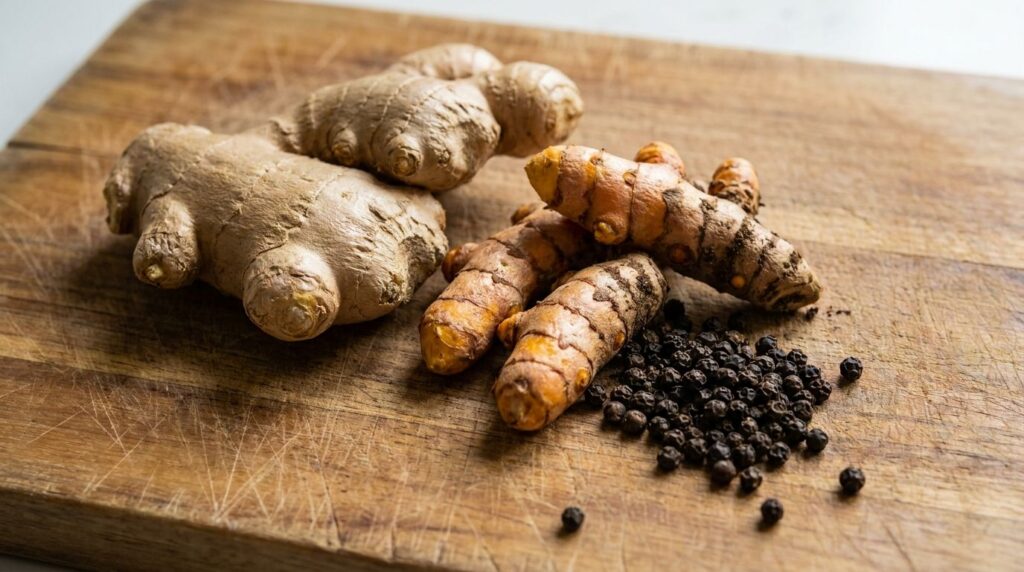
7. Turmeric
This vibrant yellow spice contains curcumin, a compound with potent anti-inflammatory properties. Research suggests curcumin can be as effective as some anti-inflammatory drugs in reducing pain and swelling, without the side effects.
- Why it helps: Curcumin blocks several molecules that play a role in inflammation, making it a powerful ally for joint health.
- Best ways to eat: Add turmeric to curries, soups, scrambled eggs, or make a warm turmeric latte. Pair it with black pepper to enhance absorption.
8. Ginger
Ginger, another popular spice, has a long history of use in traditional medicine for its anti-inflammatory and pain-relieving effects. It contains compounds called gingerols and shogaols, which help reduce inflammation.
- Why it helps: Ginger can inhibit the production of inflammatory compounds and has been shown to reduce muscle pain and soreness.
- Best ways to eat: Grate fresh ginger into stir-fries, teas, smoothies, or add it to marinades for fish and chicken.
9. Garlic
Garlic is known for its strong flavor and numerous health benefits. It contains diallyl disulfide, a sulfur compound that can help inhibit enzymes that damage cartilage. Garlic also boasts anti-inflammatory properties.
- Why it helps: Its sulfur compounds may help protect joint cartilage from degradation and reduce inflammatory responses.
- Best ways to eat: Add minced garlic to almost any savory dish, including sauces, stir-fries, roasted vegetables, and soups.
Practical Tips for Joint Health
- Diversify Your Diet: Don’t rely on just one food. Enjoy a variety of these joint-friendly options regularly.
- Cook at Home: Preparing your own meals allows you to control ingredients and maximize fresh, whole foods.
- Stay Hydrated: Water is crucial for joint lubrication and nutrient transport.
- Maintain a Healthy Weight: Excess weight puts extra stress on your joints, particularly knees and hips.
- Stay Active: Regular, low-impact exercise like walking, swimming, or cycling can strengthen muscles around joints and improve flexibility.
- Listen to Your Body: Pay attention to how different foods affect you and consult with a healthcare professional if you experience persistent joint pain.
FAQs About Joint-Supporting Foods
Q1: How long does it take for food to impact joint health?
While some people may notice improvements in a few weeks, consistent dietary changes over several months are often needed to see significant, long-term benefits for joint health. It’s a gradual process.
Q2: Can these foods cure joint pain?
No, these foods are not a cure for joint conditions or pain. However, they can significantly help manage symptoms, reduce inflammation, and support overall joint health as part of a balanced diet and healthy lifestyle.
Q3: Are there any foods I should avoid for joint health?
Yes, some foods can promote inflammation. Limiting processed foods, sugary drinks, excessive red meat, and foods high in unhealthy fats may also benefit your joints.
Q4: Is supplementation with omega-3s or turmeric necessary?
While getting nutrients from whole foods is always recommended first, supplements can be an option if dietary intake is insufficient. Always consult with a healthcare professional before starting any new supplements.
Q5: How much of these foods should I eat daily?
There isn’t a strict daily recommendation for each food, but aiming for regular inclusion is key. For example, two servings of fatty fish per week, a handful of berries daily, and liberal use of olive oil and spices can be a good starting point.
Q6: Can children benefit from these joint-healthy foods?
Absolutely! These foods are beneficial for everyone, including children, as they provide essential nutrients for growth, development, and overall health, including strong bones and healthy joints.
Q7: What other lifestyle changes help joint health?
Beyond diet, regular physical activity (especially low-impact exercises), maintaining a healthy weight, getting enough sleep, and managing stress are crucial components of a comprehensive joint health strategy.
Q8: Can these foods interact with medications?
Some foods and supplements, especially turmeric and ginger, may have mild blood-thinning properties or interact with certain medications. If you are on medication, especially blood thinners, consult your doctor before making significant dietary changes.
Conclusion
Taking care of your joints doesn’t have to be complicated. By making simple, conscious choices to include more anti-inflammatory and nutrient-rich foods in your diet, you can empower your body to support healthier joints and reduce discomfort. Remember, consistency is key, and every small step toward healthier eating contributes to your overall well-being.
Start experimenting with these delicious foods today and feel the difference they can make! For more tips on healthy eating and delicious recipes, be sure to explore other content on our website.
This content is for educational purposes only and should not be considered medical advice. Consult a qualified healthcare professional for personalized dietary recommendations.