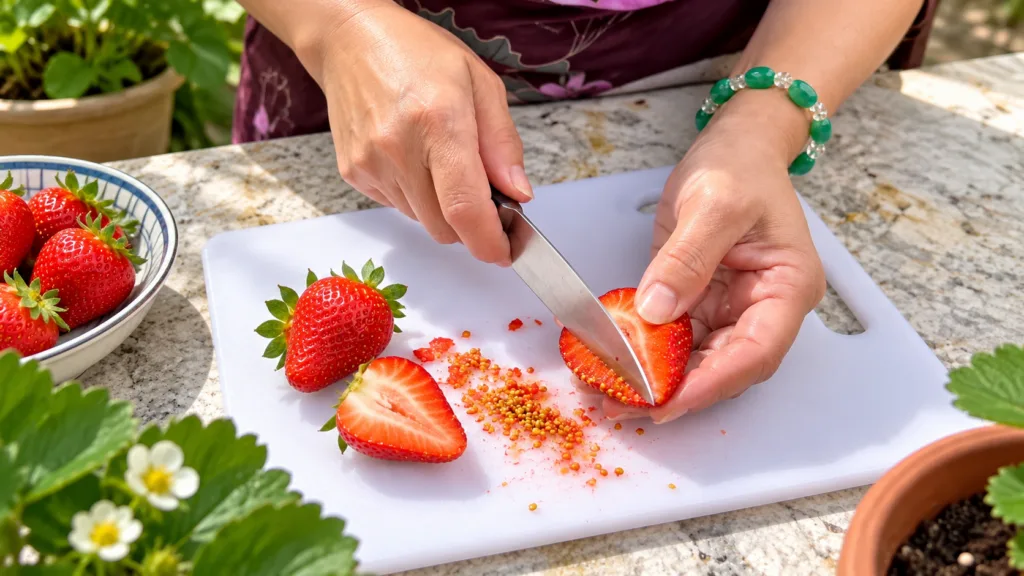
Imagine biting into a juicy, sun-ripened strawberry, bursting with flavor, knowing you grew it yourself from a tiny seed. It’s a truly magical experience that connects you directly to nature’s incredible power. While many gardeners start strawberries from bare-root plants or runners, cultivating them from seed offers a unique journey, often leading to rare varieties and a deeper sense of accomplishment. Today, we’re diving into the sweet potential that lies within a single strawberry seed, guiding you through the simple steps to cultivate your very own.
Why Grow Strawberries from Seed?
Opting to grow strawberries from seed might require a bit more patience than using established plants, but the rewards are well worth it:
- Variety: Seeds open up a world of strawberry varieties you might not find as bare-root plants, allowing you to experiment with different flavors, sizes, and growing habits.
- Cost-Effective: A packet of seeds is often much cheaper than buying multiple plants, making it a budget-friendly way to start a large patch.
- Educational Experience: It’s an incredible learning opportunity, especially for new gardeners or families wanting to teach children about where food comes from.
- Disease Control: Starting from seed can sometimes help avoid bringing soil-borne diseases into your garden that might be present in store-bought plants.
Gather Your Essentials
Before you begin, ensure you have these basic supplies:
- Strawberry Seeds: Choose a variety suitable for your climate and growing preferences.
- Seed Starting Mix: A fine, sterile mix designed for germination.
- Seed Trays or Small Pots: With drainage holes.
- Plastic Dome or Cling Wrap: To create a mini-greenhouse effect.
- Spray Bottle: For gentle watering.
- Grow Lights or a Sunny Window: Essential for healthy seedling development.
Simple Steps to Grow Your Own Sweet Strawberries from Seeds
Step 1: Preparing Your Seeds (Stratification)
Many strawberry seeds benefit from a cold stratification period to mimic winter conditions and encourage germination. This usually involves:
- Moisten: Place your seeds on a damp paper towel.
- Fold: Gently fold the paper towel to cover the seeds.
- Seal: Place the folded paper towel into a plastic bag or an airtight container.
- Chill: Refrigerate for 3-4 weeks. This cold treatment helps break their dormancy.
Some varieties may not require this, so always check your seed packet instructions.
Step 2: Sowing Your Seeds
Once stratified (or if your seeds don’t need it), you’re ready to sow!
- Fill Trays: Fill your seed trays or small pots with the moistened seed starting mix, leaving about half an inch from the top.
- Surface Sow: Strawberry seeds are tiny and need light to germinate. Sprinkle them sparsely on the surface of the soil. Do NOT bury them deeply; a very light dusting of vermiculite or fine soil can be added, but many prefer to leave them exposed.
- Mist: Gently mist the surface with water from your spray bottle to settle the seeds.
- Cover: Cover your trays with a clear plastic dome or cling wrap to maintain humidity.
Step 3: Creating the Right Environment
For successful germination, consistency is key:
- Light: Place your covered trays under grow lights for 12-16 hours a day, or in a very bright, indirect sunlight location.
- Temperature: Maintain a consistent temperature between 65-75°F (18-24°C). A heat mat can be very helpful.
- Moisture: Keep the soil consistently moist but not soggy. The plastic cover helps with this, but check regularly and mist as needed.
Germination can take anywhere from 2-4 weeks, or sometimes longer, so be patient!
Step 4: Nurturing Your Seedlings
Once seedlings emerge:
- Remove Cover: As soon as you see sprouts, remove the plastic cover to improve air circulation and prevent damping-off disease.
- Thinning: If you have multiple seedlings too close together, gently thin them out by snipping the weaker ones at the soil line, leaving the strongest seedlings about 2-3 inches apart.
- Watering: Continue to water gently, ensuring the soil remains moist.
- Light: Keep them under good light to prevent them from becoming leggy.
Step 5: Transplanting and Growing On
When your seedlings have developed a few sets of true leaves (typically 6-8 weeks after germination), they’re ready for bigger homes:
- Prepare: Gently tease apart individual seedlings and pot them into larger individual pots (3-4 inches) filled with good quality potting mix.
- Harden Off: Before moving them outdoors, gradually acclimate them to outdoor conditions over 7-10 days. Start with an hour or two in a sheltered spot, increasing exposure each day.
- Plant Out: Plant them into your garden bed or larger containers in a spot that receives at least 6-8 hours of direct sunlight.
Step 6: Care for Mature Plants
Once established, your strawberry plants will need ongoing care:
- Sunlight: Ensure they get plenty of sun.
- Watering: Keep the soil consistently moist, especially during fruiting.
- Feeding: Fertilize with a balanced liquid feed or organic compost as needed.
- Pest Watch: Keep an eye out for common pests and diseases and address them organically if possible.
Patience is a Virtue
Growing strawberries from seed is a marathon, not a sprint. It can take up to a year for plants started from seed to produce their first significant harvest. The first year might yield a smaller crop, but subsequent years will see your plants truly flourish, especially if you remove the first year’s blossoms to allow the plant to focus its energy on establishing strong roots and foliage.
Harvesting Your Bounty
The moment you’ve been waiting for! When your strawberries turn a vibrant red and smell sweet, they are ready to be picked. Gently twist or snip them off, leaving a small piece of stem attached. Enjoy them fresh, in desserts, or preserves.
Embracing the journey from a tiny seed to a basket full of homegrown strawberries is one of gardening’s most rewarding experiences. It requires a little patience and care, but the unparalleled flavor and immense satisfaction of your own harvest are truly priceless. Happy gardening!