Most people ignore the unassuming succulents thriving in pots and gardens, seeing them as mere ornamentals. But what if one of these common plants held a hidden secret, revered for centuries in traditional practices for its profound impact on vital organ health? The ‘Mother of Thousands,’ known scientifically as Bryophyllum daigremontianum, is far more than just a pretty face with fascinating propagating plantlets. For those seeking natural support for kidney wellness, this resilient succulent offers a practical, time-honored approach that’s often overlooked.
We’re not talking about vague folklore here; we’re diving into how to prepare and use this specific plant to potentially support healthy kidney function, an organ central to detoxification and overall well-being. Getting it right – from selection to preparation – is key to tapping into its full potential.
What is Mother of Thousands?
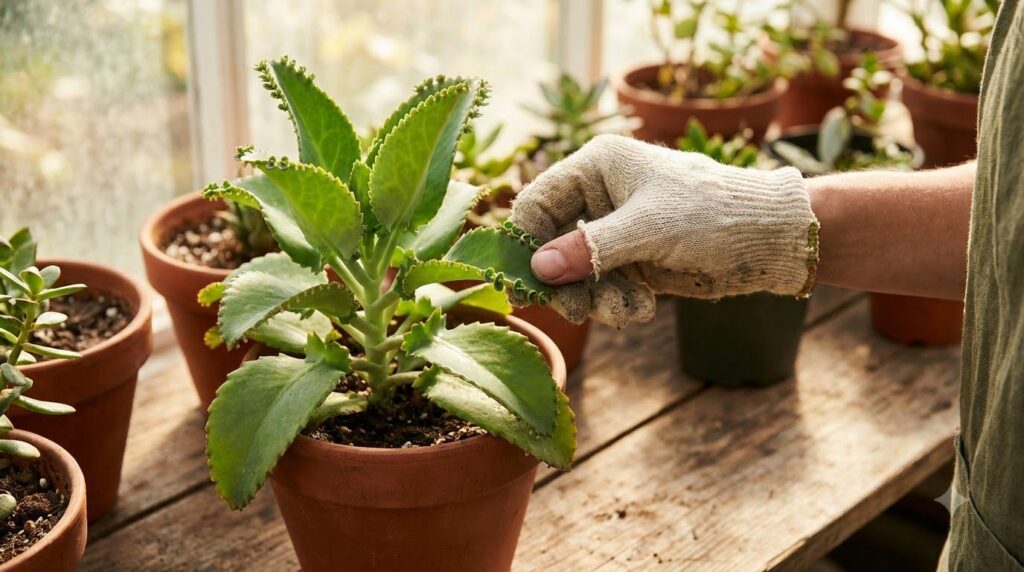
Bryophyllum daigremontianum, commonly known as Mother of Thousands or Alligator Plant, is a succulent native to Madagascar. It’s easily recognizable by its fleshy, often mottled green leaves, which sprout tiny plantlets along their edges. These plantlets readily drop off and root, earning the plant its prolific name. Beyond its ornamental appeal, traditional herbal practices in various cultures have long utilized its leaves for a range of health applications, particularly focusing on its potential diuretic and anti-inflammatory properties, making it a subject of interest for kidney health support.

Ingredients for a Kidney Support Tonic
The primary ingredient is, of course, the fresh leaves of the Mother of Thousands plant. For optimal results, ensure the plant is organically grown, free from pesticides, and healthy.
- Fresh Mother of Thousands leaves: Approximately 3-5 medium-sized leaves (about 10-15 cm long each)
- Filtered water: ½ cup (120 ml)
Note: These are approximate measurements. Always start with a smaller amount and adjust based on individual tolerance.
Formula / Recipe: Mother of Thousands Kidney Juice
This simple preparation focuses on extracting the beneficial compounds directly from the fresh leaves.
Step-by-Step Method
- Harvesting: Carefully select 3-5 healthy, mature leaves from your Mother of Thousands plant. Avoid any leaves that show signs of damage, disease, or pest infestation.
- Washing: Rinse the leaves thoroughly under cool, running filtered water to remove any dirt or debris. Gently pat them dry with a clean cloth or paper towel.
- Chopping: Coarsely chop the washed leaves. This helps in the extraction process.
- Blending: Place the chopped leaves into a blender. Add ½ cup (120 ml) of filtered water.
- Processing: Blend on high speed until the mixture is smooth and well combined. You might need to add a tiny bit more water if the mixture is too thick, but aim for a potent, concentrated liquid.
- Straining (Optional): For a smoother tonic, strain the blended mixture through a fine-mesh sieve or cheesecloth to remove any fibrous plant material. Gently press down on the solids to extract as much liquid as possible. The resulting liquid is your Mother of Thousands kidney support tonic.
How to Use
Consume the fresh juice directly. Some find the taste slightly bitter or acidic, so you can dilute it further with a small amount of water or a natural, unsweetened fruit juice (like apple or cranberry) if needed, but avoid adding sugar.
How Often to Use
It’s generally recommended to start with a small dose, such as 1-2 tablespoons (15-30 ml) of the tonic once a day. Observe your body’s response. If well-tolerated, you can gradually increase to twice a day. This remedy is typically used for short periods, such as 1-2 weeks, followed by a break. Always listen to your body and consult a healthcare professional for personalized advice, especially if you have underlying health conditions.
Quick Tip: Best Time to Use It
Many find consuming the tonic in the morning, on an empty stomach, to be most effective. This allows for optimal absorption before other foods are introduced.
How to Buy / How to Choose Ingredients
Since the potency comes from fresh leaves, the best way to “buy” this ingredient is to grow the plant yourself. Mother of Thousands is incredibly easy to cultivate, even for novice gardeners. You can often find small plantlets or cuttings from friends, local plant swaps, or garden centers. When choosing, look for:
- Healthy, vibrant leaves: Avoid yellowing, wilting, or spotted leaves.
- No visible pests: Inspect the plant carefully for any signs of insects.
- Organic source: Ensure the plant hasn’t been treated with chemical pesticides, especially if you plan to consume it.
Storage
The Mother of Thousands kidney tonic is best consumed immediately after preparation to retain its maximum potency. The beneficial compounds can degrade over time.
- Fresh Tonic: If you must store it, place it in an airtight glass container in the refrigerator for no more than 24 hours.
- Leaves: Freshly harvested leaves can be stored in a plastic bag in the refrigerator’s crisper drawer for up to 3-5 days, but they are most potent when used fresh.
Practical Tips
- Start Small: Always begin with a conservative dose to gauge your body’s reaction.
- Consistency is Key: For short-term use, consistent daily intake as advised is more beneficial than sporadic use.
- Listen to Your Body: Pay attention to any unusual symptoms. Discontinue use if adverse reactions occur.
- Hydration: Continue to drink plenty of filtered water throughout the day to support kidney function.
Common Mistakes
Making a powerful herbal remedy requires precision. Here are some common pitfalls to avoid:
- Misidentification: There are many Bryophyllum species. Ensure you are using Bryophyllum daigremontianum, as not all species are used for the same purpose or have the same safety profile. When in doubt, do not consume.
- Using Sprayed Plants: Never use leaves from plants that have been treated with pesticides or herbicides. This is crucial for internal consumption.
- Incorrect Dosage: Overdosing can lead to adverse effects. Stick to the recommended “start small” approach.
- Boiling the Leaves: High heat can destroy some of the delicate enzymes and compounds. This is why fresh juice is often preferred over boiled preparations for kidney support.
- Ignoring Your Body: Assuming “natural” means “harmless” is a mistake. Always be attentive to how your body responds.

Cautions / Who Should Avoid It
While Mother of Thousands is used in traditional remedies, it is potent and not suitable for everyone.
- Pregnancy and Breastfeeding: Avoid use due to insufficient safety data.
- Children: Not recommended for children.
- Heart Conditions: Individuals with heart conditions, especially those on cardiac medications, should avoid this plant due to potential interactions.
- Medication Interactions: If you are taking any prescription medications, especially for blood pressure, kidney issues, or diabetes, consult your doctor before using this remedy.
- Liver Conditions: Use with extreme caution and under medical supervision if you have liver issues.
- Allergies: If you have allergies to succulents or other plants, proceed with caution.
Always consult with a qualified healthcare professional before starting any new herbal remedy, especially if you have existing health conditions or are taking medication.
Quick Summary: Mother of Thousands for Kidney Support
Harnessing the “Mother of Thousands” for kidney wellness involves simple, direct preparation. Here’s a quick overview:
- Best Preparation: Freshly blended juice from organic leaves.
- Best Use-Case: Potential support for healthy kidney function and detoxification.
- Storage: Best consumed immediately; refrigerated for no more than 24 hours.
- When to Use: Start with small daily doses for short periods (1-2 weeks).
- What to Avoid: Misidentification, non-organic plants, boiling, and use during pregnancy or with certain medications.
FAQ
Can I use dried Mother of Thousands leaves?
While some herbs are effective when dried, the fresh leaves of Mother of Thousands are generally preferred for this kidney tonic, as some beneficial compounds may degrade during the drying process. The high water content in fresh leaves also contributes to its effectiveness.
How long does the fresh tonic last?
The tonic is most potent and beneficial when consumed immediately after preparation. If necessary, it can be stored in an airtight container in the refrigerator for up to 24 hours, but prompt consumption is highly recommended.
Can I refrigerate the leaves?
Yes, freshly harvested leaves can be stored in a plastic bag in the refrigerator’s crisper drawer for up to 3-5 days. However, for maximum efficacy, use them as fresh as possible.
How often should I use it?
Start with 1-2 tablespoons (15-30 ml) once daily, gradually increasing to twice a day if well-tolerated. Limit use to short periods, such as 1-2 weeks, followed by a break. Always consult a healthcare professional for guidance.
What part of the plant is best for this remedy?
The leaves are the primary part used for preparing the kidney support tonic due to their concentration of beneficial compounds.
When should I avoid using Mother of Thousands?
Avoid if pregnant, breastfeeding, for children, or if you have heart conditions, liver conditions, or are on medications that could interact. Always consult a doctor if you have any health concerns.
Is Mother of Thousands safe for pets?
No. Mother of Thousands is considered toxic to pets, especially cats and dogs. Keep it out of reach of animals.
Can I mix it with other juices?
Yes, you can dilute the tonic with a small amount of unsweetened apple or cranberry juice to improve the taste, but avoid sugary juices that might negate some of its benefits.
Comparison: Fresh vs. Dried Mother of Thousands for Internal Use
| Feature | Fresh Leaves (Preferred) | Dried Leaves (Less Common) |
|---|---|---|
| Potency | Higher, with full enzyme activity | Potentially reduced, some compounds may degrade |
| Preparation | Juiced or blended directly | Steeped as a tea (less traditional for this purpose) |
| Taste | Slightly bitter, more “green” | Milder if brewed, but less impactful |
| Availability | Requires growing the plant yourself | Can be harder to find reliably; quality varies |
| Traditional Use | Often used fresh in traditional remedies | Less documented for kidney tonics |
The Mother of Thousands offers a unique, natural pathway to support your kidneys, rooted in centuries of traditional knowledge. By understanding its preparation and usage, you can responsibly integrate this remarkable plant into your wellness routine. Remember, while natural remedies can be powerful, they work best when approached with knowledge, respect, and a commitment to your overall health. Always prioritize safety and consult with health professionals when in doubt.
You may also like: Natural Remedies for Daily Detoxification
Read more: Herbal Teas for Digestive Health

