Are you looking for a simple, engaging project that uses common household items? Sometimes the best crafts come from unexpected combinations found right in your pantry or craft cabinet. This DIY offers a unique sensory experience, perfect for a moment of tactile play or a fun activity with children. It’s an easy, low-cost way to create something new and interesting without needing any special supplies.
What You’ll Need
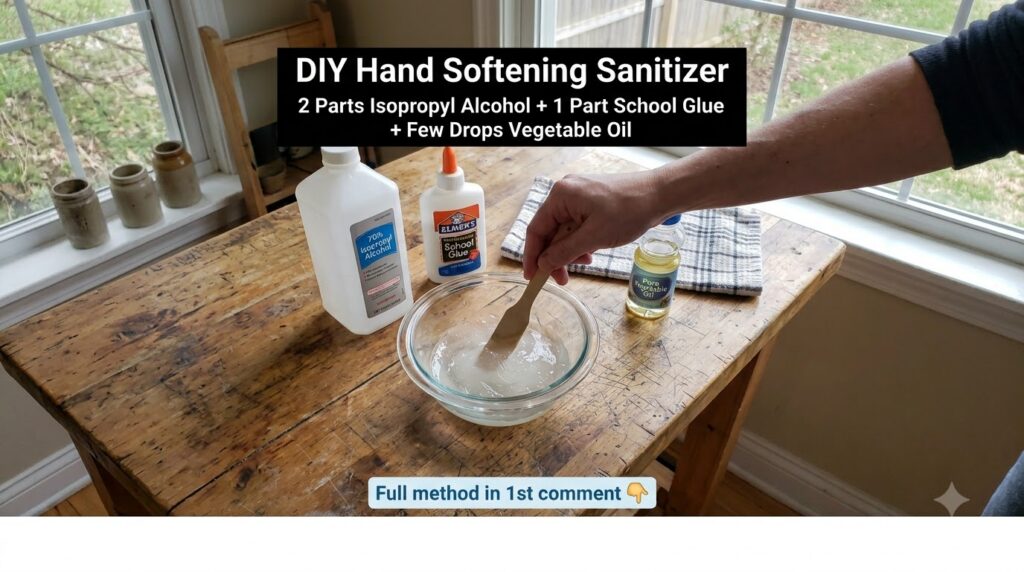
- School Glue: Approximately 1 cup (standard white PVA-based school glue)
- 70% Isopropyl Alcohol: Approximately 1/4 cup
- Pure Vegetable Oil: 1-2 tablespoons
- Mixing Bowl: A glass or plastic bowl
- Stirring Stick or Spoon: For mixing the ingredients
Why This DIY Can Be Useful
This DIY combines common household items to create a distinct sensory material. Here’s a quick look at why these ingredients work together in this specific craft:
- School Glue (PVA-based): This is the foundation of our goo. The polyvinyl acetate (PVA) polymers in the glue are what give the substance its body and ability to transform.
- 70% Isopropyl Alcohol: The alcohol acts as a coagulant. When mixed with the glue, it causes the PVA molecules to clump together, changing the glue from a liquid to a more solid, lumpy texture.
- Vegetable Oil: The oil serves multiple purposes. It helps to lubricate the mixture, preventing excessive stickiness, and adds a unique slippery, segmented feel to the final product. It also introduces an interesting visual element as it interacts with the glue and alcohol.
How to Make It
Follow these simple steps to create your unique sensory goo:
- Pour the Glue: Begin by pouring approximately 1 cup of school glue into your mixing bowl.
- Add Alcohol Gradually: Slowly add the 1/4 cup of 70% isopropyl alcohol to the glue, stirring continuously with your stick or spoon. You will notice the glue starting to coagulate and form clumps almost immediately.
- Mix Thoroughly: Keep stirring until the glue has mostly clumped together and separated from any excess liquid.
- Incorporate Oil: Add 1 to 2 tablespoons of vegetable oil to the mixture. Continue to mix well. The oil will coat the glue clumps, giving it a unique, slippery, and less sticky consistency.
How to Use It
Once your sensory goo is ready, it’s time to explore its unique texture:
- Sensory Play: Knead and squish the goo in your hands. It provides a fascinating tactile experience that can be calming or stimulating.
- Tabletop Activity: Place the goo on a clean, protected surface, like a tray or a plastic mat, and explore its movement and form.
- Stress Relief: The act of manipulating the goo can be a simple way to relieve stress and focus your attention.
What to Expect
This DIY creates a unique sensory material that is quite different from traditional stretchy slime. You can expect:
- A Clumpy, Oily Texture: The goo will have a distinct feel, characterized by small, soft clumps of glue coated in oil. It won’t be smooth or extremely stretchy like typical slime.
- Some Separation: Due to the oil content, the goo may separate slightly over time, with the oil pooling a bit. This is normal and can often be re-mixed with a quick stir or knead.
- Varied Consistency: Depending on the exact ratios and type of glue, the consistency may vary slightly from batch to batch.
Helpful Tips
- Adjust Texture: Experiment with the amount of alcohol to make the clumps firmer or softer. A little more oil can make it even more slippery.
- Add Color: For a more vibrant goo, add a few drops of food coloring to the glue before you add the alcohol.
- Storage: Store your sensory goo in an airtight container or a sealed plastic bag at room temperature. This will help prevent it from drying out, though its texture may still change over time.
Important Notes / Safety
- Not for Consumption: This sensory goo is not edible. Keep it away from mouths, especially with young children.
- Adult Supervision: Always supervise children when they are making and playing with this DIY craft.
- Surface Protection: The vegetable oil in the goo may leave oily residues. Always use on a protected surface, such as a craft mat or a covered table, to prevent potential stains.
- Hand Washing: Wash your hands thoroughly with soap and water after playing with the goo.
- Patch Test: If you are concerned about the goo interacting with specific surfaces, perform a patch test in an inconspicuous area first.