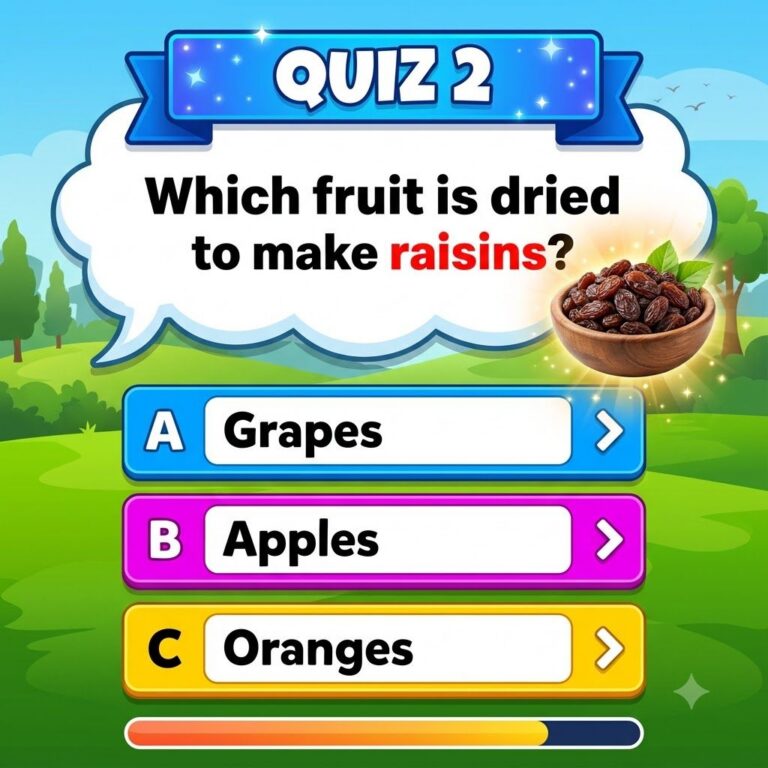
We often enjoy them in our oatmeal, sprinkle them on salads, or grab a handful for a quick snack. Raisins are a pantry staple around the globe, beloved for their concentrated sweetness and chewy texture. But have you ever paused to consider their humble beginnings? It seems like a simple question, yet for many, the answer can be a fun little ‘aha!’ moment. Are you ready for a quick trivia challenge that might just unpeel a sweet truth you thought you already knew?
Think about it: what fruit, through a natural drying process, transforms into those delicious, crinkly little nuggets we call raisins? This isn’t a trick question, but sometimes the most obvious facts are the easiest to overlook!
The Sweet Revelation: It’s All About the Grape!
If you guessed grapes, you’re absolutely right! While it might seem like a straightforward answer, many people don’t often connect the fresh, juicy grape with its shriveled, dried counterpart. The transformation from a plump grape to a sweet raisin is a fascinating natural process, largely driven by dehydration.
How Grapes Become Raisins: A Natural Miracle
The journey from grape to raisin is quite simple, yet it requires specific conditions to achieve that perfect chewy texture and concentrated flavor. Here’s a quick breakdown:
- Variety Matters: Not all grapes are created equal when it comes to raisin production. Varieties like Thompson Seedless (which make up most of the raisins you see), Sultanas, and Black Corinth (used for Zante currants) are preferred due to their thin skins, seedless nature, and high sugar content.
- Drying Process: The most traditional method is sun-drying. Grapes are laid out on paper trays or hung to dry naturally under the sun’s warmth. This process removes about 75-80% of the water content, concentrating the sugars and giving raisins their distinctive texture and sweetness.
- Mechanical Drying: In some cases, grapes are dried mechanically in controlled environments, which speeds up the process and ensures consistency, especially in areas with less predictable weather.
Fun Fact: Why Do They Wrinkle?
The wrinkling occurs because as the water evaporates from the grape, the skin loses its turgidity and shrinks around the remaining flesh and sugars, creating those familiar creases and folds.
More Than Just a Snack: The Benefits of Raisins
Beyond being a tasty treat, raisins pack a nutritional punch. They are a good source of:
- Energy: Due to their concentrated sugars, they offer a quick energy boost.
- Fiber: Supporting digestive health.
- Antioxidants: Grapes are rich in antioxidants, and these compounds are largely retained in their dried form.
- Minerals: Including potassium, iron, and calcium.
So, the next time you enjoy a handful of raisins, you’ll know the incredible journey they’ve made from a fresh grape on the vine to a sweet, versatile ingredient. It’s a testament to nature’s ability to transform and preserve delicious flavors!
Did this ‘easy’ fact surprise you, or were you already a raisin expert? Share your thoughts and any other fun food trivia in the comments below!