Revive Dull Scissors: Easy DIY Sharpening with Kitchen Staples
There’s nothing more frustrating than trying to cut through paper, fabric, or packaging with a pair of dull scissors. Instead of struggling or immediately replacing them, you might be surprised to learn that a simple solution is likely sitting in your kitchen cabinet right now. This easy DIY method uses common household ingredients to help restore your scissors’ cutting edge, making them much more effective for your everyday tasks without spending extra money.
What You’ll Need
Ingredients
- 2-3 tablespoons baking soda
- 1 teaspoon salt
- White vinegar (enough to form a paste)
Tools
- Small mixing bowl
- Old toothbrush
- Clean cloth or paper towel
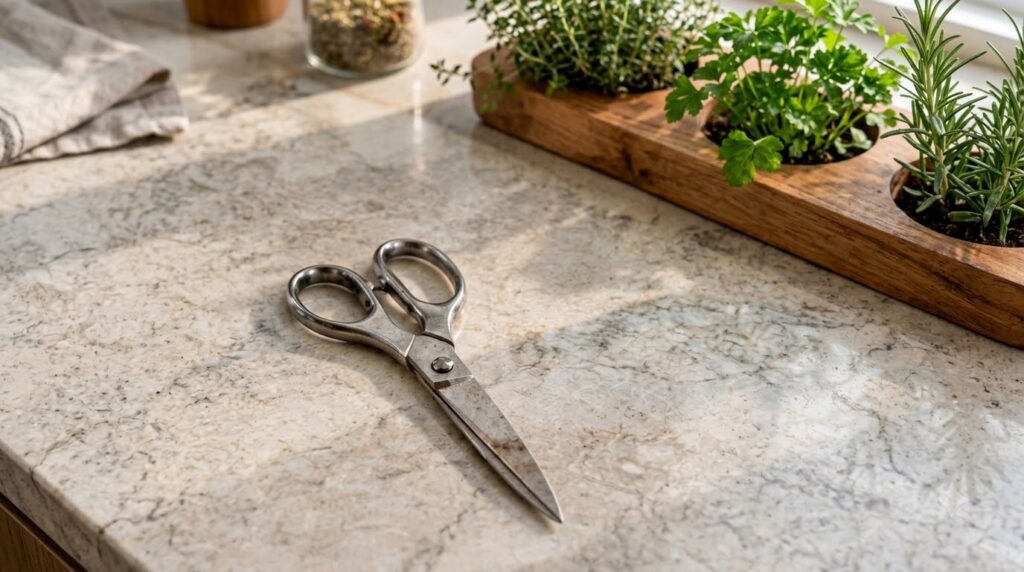
- Your dull scissors
Why This DIY Can Be Useful
This DIY works by leveraging the mild abrasive properties of baking soda and salt, combined with the cleaning power of white vinegar. When mixed, they create a paste that can help remove minor rust, grime, and buildup that accumulate on scissor blades over time, which often contributes to their dullness. The gentle scrubbing action helps to clean and slightly smooth out the cutting edges, improving their ability to slice through materials more efficiently.
How to Make It
- Combine Dry Ingredients: In your small mixing bowl, add the baking soda and salt.
- Form a Paste: Gradually pour in small amounts of white vinegar, mixing continuously with the toothbrush or a spoon, until you achieve a thick, spreadable paste. It should resemble toothpaste in consistency, not too runny.
How to Use It
- Apply the Paste: Open your dull scissors wide and dip the blades directly into the paste, ensuring both cutting edges are covered. You can also use the toothbrush to apply a generous amount of paste onto both sides of each blade.
- Scrub the Blades: With the scissors still open, use the old toothbrush to gently scrub along the cutting edges of the blades. Pay extra attention to any areas with visible grime or minor rust. Scrub both the inside and outside surfaces of the blades for a few minutes.
- Rinse Thoroughly: Rinse the scissors under running warm water, ensuring all the paste residue is completely washed away. It’s important to remove all traces of the mixture.
- Dry Completely: Immediately and thoroughly dry the scissors with a clean cloth or paper towel. Leaving them wet can lead to rust.
- Test: Test your newly treated scissors on a piece of paper or fabric to assess their improved cutting ability.
What to Expect
You can expect a noticeable improvement in your scissors’ cutting performance. This method is excellent for removing surface grime and minor imperfections that hinder smooth cutting, making your scissors feel much more effective for everyday tasks. While it won’t achieve the razor-sharp edge of a professional sharpening service, it will certainly breathe new life into blades that have become frustratingly dull with normal use.
Helpful Tips
- Regular Maintenance: For best results and to prolong the life of your scissors, consider giving them this treatment periodically before they become excessively dull.
- Lubricate (Optional): After drying, you can apply a tiny drop of mineral oil or sewing machine oil to the pivot point of the scissors to keep them moving smoothly. Wipe off any excess.
- Designated Scissors: Keep specific scissors for specific tasks. Using good fabric scissors on paper, for example, can dull them much faster.
Important Notes / Safety
- Handle with Care: Always handle scissors with caution, especially when cleaning them. Their edges can still be sharp enough to cause injury.
- Rinse All Residue: Ensure absolutely all the baking soda, salt, and vinegar paste is rinsed off to prevent any long-term corrosion or sticky residue.
- Dry Immediately: Prompt and thorough drying is crucial to prevent rust, especially if your scissors are not stainless steel.
- Not for All Scissors: This method is best for general-purpose household or craft scissors. Avoid using it on very delicate, antique, or precision-grade instruments that might require specialized care.