In the pursuit of a healthier lifestyle, optimizing our nutrition is key. One of the most effective strategies for feeling satisfied, energized, and supporting overall wellness is to focus on foods rich in both fiber and protein. This powerful combination is a game-changer for digestion, muscle health, and sustained energy. It helps keep you full longer, supports a healthy gut, and provides the building blocks your body needs.
Today, we’re diving into 12 incredible plant-based powerhouses that naturally deliver generous amounts of both fiber and protein, making them perfect additions to your meal prep routine. Whether you’re a seasoned plant-based eater or looking to incorporate more nutritious options, these ingredients are versatile, delicious, and easy to integrate into countless meals.
The Power Duo: Fiber and Protein for Optimal Health
Fiber and protein are two essential macronutrients that work synergistically to support your body. Fiber, often found in plant foods, aids digestion, helps regulate blood sugar, and promotes gut health. Protein is crucial for building and repairing tissues, producing enzymes and hormones, and contributing to satiety. When consumed together, they create a balanced meal that stabilizes energy levels and prevents cravings, making them indispensable for weight management and overall vitality.
Embracing foods that naturally offer both these nutrients simplifies healthy eating and ensures you’re getting comprehensive nourishment from every bite. Let’s explore these plant-based gems.
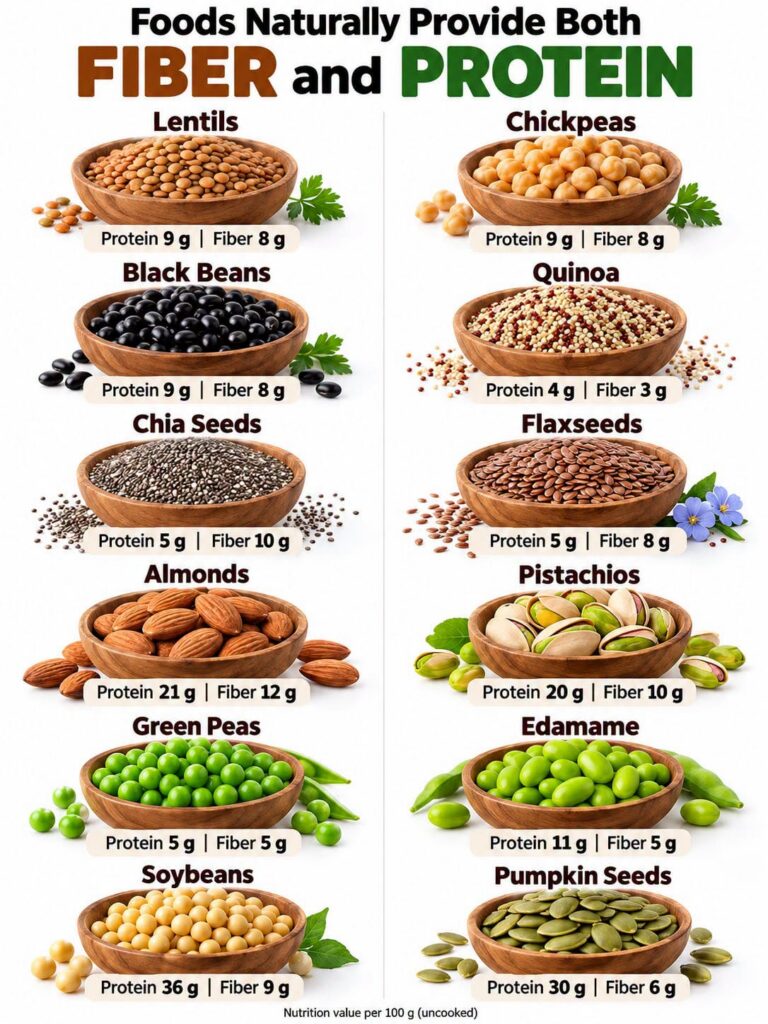 Discover these plant-based powerhouses for your meal prep.
Your Go-To Guide: 12 Plant-Based Powerhouses for Meal Prep
Here are 12 fantastic plant-based foods that excel in providing both fiber and protein, along with practical tips on how to incorporate them into your weekly meal prep.
1. Lentils
- Nutritional Info (per 100g uncooked): Protein ~24g | Fiber ~10g
Lentils are an incredibly versatile legume, often hailed for their earthy flavor and quick cooking time. They are a fantastic source of plant-based protein and dietary fiber, making them a staple in many healthy diets. Their iron content is also notable, which is vital for energy.
- Usage: Cooked lentils can be added to soups, stews, salads, or used as a base for veggie burgers.
- Menu Idea: Prepare a big batch of “Spiced Lentil Salad” with diced cucumbers, tomatoes, red onion, fresh parsley, and a lemon-tahini dressing for quick lunches.
2. Chickpeas (Garbanzo Beans)
- Nutritional Info (per 100g uncooked): Protein ~19g | Fiber ~17g
Chickpeas are renowned for their nutty flavor and creamy texture when cooked. They are a powerhouse of both fiber and protein, contributing significantly to satiety and digestive health. They’re also rich in essential minerals like manganese and folate.
- Usage: Roast them for a crispy snack, mash them for hummus, or add them to curries, stews, and grain bowls.
- Menu Idea: Make a “Roasted Chickpea & Veggie Medley.” Toss cooked chickpeas with broccoli florets, bell peppers, and olive oil, then roast until tender-crisp. Perfect for a side or a light meal.
3. Black Beans
- Nutritional Info (per 100g uncooked): Protein ~21g | Fiber ~15g
Black beans are a dietary staple in many cuisines, celebrated for their mild, slightly sweet flavor and soft texture. They are an excellent source of protein, fiber, and antioxidants, supporting heart health and providing sustained energy.
- Usage: Integrate into tacos, burritos, chili, salads, or create a flavorful black bean salsa.
- Menu Idea: Prepare “Black Bean & Corn Salsa” with avocado and cilantro. Serve with whole-grain tortilla chips or as a topping for grilled chicken or fish.
4. Quinoa
- Nutritional Info (per 100g uncooked): Protein ~14g | Fiber ~6g
Often called a “supergrain,” quinoa is actually a seed that functions as a whole grain. It’s one of the few plant foods that is a complete protein, meaning it contains all nine essential amino acids. It’s also gluten-free and a good source of iron and magnesium.
- Usage: Use as a base for salads, a side dish, or an addition to breakfast bowls.
- Menu Idea: Cook a large batch of “Lemon Herb Quinoa” with fresh herbs (parsley, mint), lemon zest, and a drizzle of olive oil. Store in the fridge for quick additions to meals throughout the week.
5. Oats
- Nutritional Info (per 100g uncooked): Protein ~13g | Fiber ~10g
Rolled oats are a breakfast favorite, and for good reason. They are packed with soluble fiber, especially beta-glucan, which is known for its cholesterol-lowering properties. Oats also provide a good amount of protein, making for a very satisfying start to your day.
- Usage: Ideal for oatmeal, overnight oats, granola, or as a binding agent in veggie patties.
- Menu Idea: Assemble “Overnight Oats Jars” – combine 1/2 cup rolled oats, 1 cup plant milk, 1 tbsp chia seeds, and your choice of fruit (berries, banana slices) and sweetener (maple syrup). Chill overnight.
6. Chia Seeds
- Nutritional Info (per 100g uncooked): Protein ~17g | Fiber ~34g
These tiny seeds are nutritional powerhouses, delivering an impressive amount of fiber, protein, and omega-3 fatty acids. Chia seeds absorb liquid to form a gel-like consistency, making them excellent thickeners.
- Usage: Add to smoothies, yogurts, oatmeal, or create chia puddings. They can also be used as an egg substitute in baking.
- Menu Idea: Prepare “Vanilla Berry Chia Pudding” by mixing 2 tbsp chia seeds, 1/2 cup almond milk, 1/4 tsp vanilla extract, and a drizzle of honey. Layer with fresh berries for a delicious breakfast or dessert.
7. Flax Seeds
- Nutritional Info (per 100g uncooked): Protein ~18g | Fiber ~27g
Flax seeds are another tiny titan, loaded with fiber, protein, and alpha-linolenic acid (ALA), a plant-based omega-3 fatty acid. It’s best to consume them ground to maximize nutrient absorption.
- Usage: Sprinkle ground flax seeds over cereals, salads, or blend into smoothies.
- Menu Idea: Incorporate ground flax into your “Morning Power Smoothie.” Blend spinach, banana, plant milk, a scoop of protein powder, and 1-2 tbsp ground flax seeds for an extra fiber and protein boost.
8. Almonds
- Nutritional Info (per 100g uncooked): Protein ~21g | Fiber ~12g
These popular nuts are not just tasty; they’re a fantastic source of healthy fats, protein, and fiber. Almonds also provide vitamin E, magnesium, and antioxidants, contributing to heart health and skin vitality.
- Usage: Enjoy as a snack, add to salads, oatmeal, or use in homemade trail mixes.
- Menu Idea: Make “Homemade Almond Butter.” Simply blend roasted almonds in a food processor until smooth. Store in an airtight container for spreading on toast or adding to smoothies.
9. Pistachios
- Nutritional Info (per 100g uncooked): Protein ~20g | Fiber ~10g
Pistachios offer a delightful crunch and a slightly sweet, earthy flavor. They are a good source of protein, fiber, and healthy fats, along with antioxidants and vitamin B6, which supports metabolism and immunity.
- Usage: Snack on them raw, add to salads, or use as a crunchy topping for yogurt or roasted vegetables.
- Menu Idea: Create “Pistachio-Crusted Tofu” by pressing and cubing tofu, coating it in crushed pistachios, and baking or pan-frying until golden.
10. Pumpkin Seeds (Pepitas)
- Nutritional Info (per 100g uncooked): Protein ~24g | Fiber ~18g
Pumpkin seeds are small but mighty, providing a substantial amount of protein, fiber, and healthy fats. They are also an excellent source of magnesium, zinc, and iron, important for bone health, immune function, and energy.
- Usage: Roast them for a snack, sprinkle over salads, soups, or incorporate into homemade granola bars.
- Menu Idea: Toast pumpkin seeds with a pinch of sea salt and a dash of cayenne pepper for a “Spicy Seed Snack.”
11. Sunflower Seeds
- Nutritional Info (per 100g uncooked): Protein ~21g | Fiber ~9g
Sunflower seeds are a convenient and nutritious snack, packed with protein, fiber, and healthy fats. They are also rich in vitamin E, selenium, and B vitamins, supporting skin health and energy production.
- Usage: Enjoy raw or roasted, add to bread dough, sprinkle on salads, or use as a topping for stir-fries.
- Menu Idea: Make “Sunflower Seed Butter” as an alternative to peanut butter, perfect for those with nut allergies.
12. Walnuts
- Nutritional Info (per 100g uncooked): Protein ~15g | Fiber ~7g
Walnuts are unique among nuts for their high content of omega-3 fatty acids, specifically ALA, which is beneficial for heart and brain health. They also provide a good balance of protein and fiber, along with antioxidants.
- Usage: Snack on them, add to baked goods, sprinkle over oatmeal, or incorporate into pesto.
- Menu Idea: Create a “Walnut & Spinach Pesto” for pasta or as a spread for sandwiches. Blend walnuts, fresh spinach, garlic, parmesan (optional), and olive oil until smooth.
Bonus Tips for Mastering Meal Prep with Fiber & Protein-Rich Foods
Integrating these amazing ingredients into your meal prep doesn’t have to be complicated. Here are some “bonus tips” to help you master your healthy meal prep:
- Batch Cook Grains and Legumes: Dedicate an hour on a Sunday to cook large quantities of quinoa, lentils, and black beans. Store them in individual containers in the fridge, ready to be added to any meal.
- Prep Your Produce: Wash, chop, and store vegetables like bell peppers, cucumbers, and leafy greens. They’ll be ready to toss into salads, stir-fries, or serve alongside your cooked legumes.
- Make “Build-Your-Own” Bases: Prepare a protein-rich base like cooked lentils or chickpeas and pair it with a grain like quinoa. Then, each day, simply add fresh veggies, a healthy fat (like avocado or nuts), and a flavorful dressing for endless variety.
- Don’t Forget Healthy Fats: Ingredients like almonds, walnuts, and pumpkin seeds aren’t just for snacking. Add them to your main dishes for extra crunch, flavor, and healthy fats that enhance nutrient absorption and satiety.
- Flavor Boosters: Keep a variety of herbs, spices, and homemade dressings on hand. A simple lemon-herb dressing or a spicy vinaigrette can transform a basic meal prep into a gourmet experience.
- Invest in Good Containers: Quality meal prep containers (glass are often preferred for durability and ease of cleaning) can make a huge difference in keeping your prepped meals fresh and organized.
By using these strategies, you can easily create delicious, nutrient-dense meals that support your health goals throughout the week.
Internal Link Suggestions
- Healthy Breakfast Ideas for Busy Mornings
- The Benefits of Chia Seeds for Digestion and Energy
- High Protein Low Calorie Meals for Sustainable Weight Management
External Sources
- National Center for Biotechnology Information (NCBI)
- Harvard T.H. Chan School of Public Health
- Mayo Clinic
Final Thoughts
Incorporating fiber and protein-rich plant-based foods into your diet is a simple yet powerful way to boost your overall health, manage your weight, and enjoy sustained energy. By focusing on these 12 superfoods and applying smart meal prep strategies, you’ll be well on your way to a more vibrant and nourished life. Start experimenting with these versatile ingredients today and discover how easy and delicious healthy eating can be!
Medical Disclaimer
This article is intended for informational purposes only and does not provide medical advice. Always consult with a qualified healthcare professional before making any changes to your diet or lifestyle, especially if you have underlying health conditions or concerns.