When you think of protein, chicken, eggs, or beans might be the first foods that come to mind. But did you know that many common vegetables are also fantastic sources of protein, offering a nutrient boost to your plant-based meals?
Incorporating protein-packed vegetables into your diet is a smart way to enhance satiety, support muscle health, and ensure you’re getting a wide array of essential vitamins and minerals. These plant powerhouses aren’t just for fiber; they’re vital for fueling your body and keeping your meals delicious and satisfying.
In this guide, we’ll explore some of the best vegetables rich in protein, discuss their unique benefits, and provide practical tips on how to enjoy them regularly. Get ready to elevate your healthy eating habits!
Why Protein from Vegetables Matters
Protein is a fundamental macronutrient essential for building and repairing tissues, making enzymes and hormones, and supporting overall health. While animal sources are well-known for protein, plant-based proteins offer additional benefits, including fiber, antioxidants, and various micronutrients, often with less saturated fat.
Key Benefits of Vegetable Protein:
- Satiety: Protein helps you feel full and satisfied, which can support weight management.
- Muscle Health: Essential amino acids in protein are crucial for muscle maintenance and growth.
- Digestive Health: Many protein-rich vegetables also provide fiber, promoting a healthy digestive system.
- Heart Health: Plant-based proteins are often associated with lower risks of heart disease.
- Nutrient Density: You get a powerhouse of vitamins, minerals, and antioxidants along with your protein.
Top Protein-Packed Vegetables
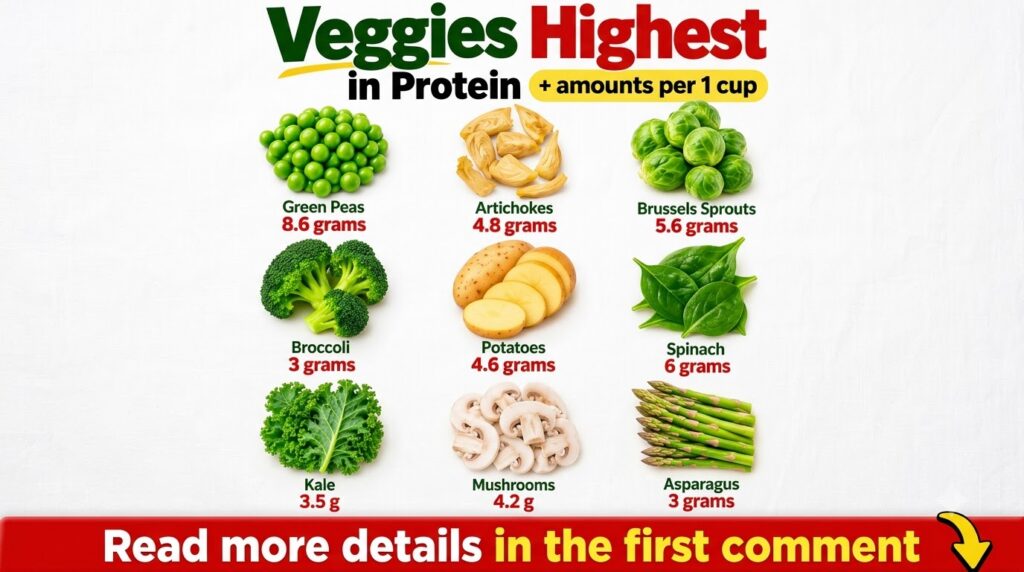
Let’s dive into some of the best vegetables that can significantly contribute to your daily protein intake. These are simple to incorporate into almost any meal.
Green Peas
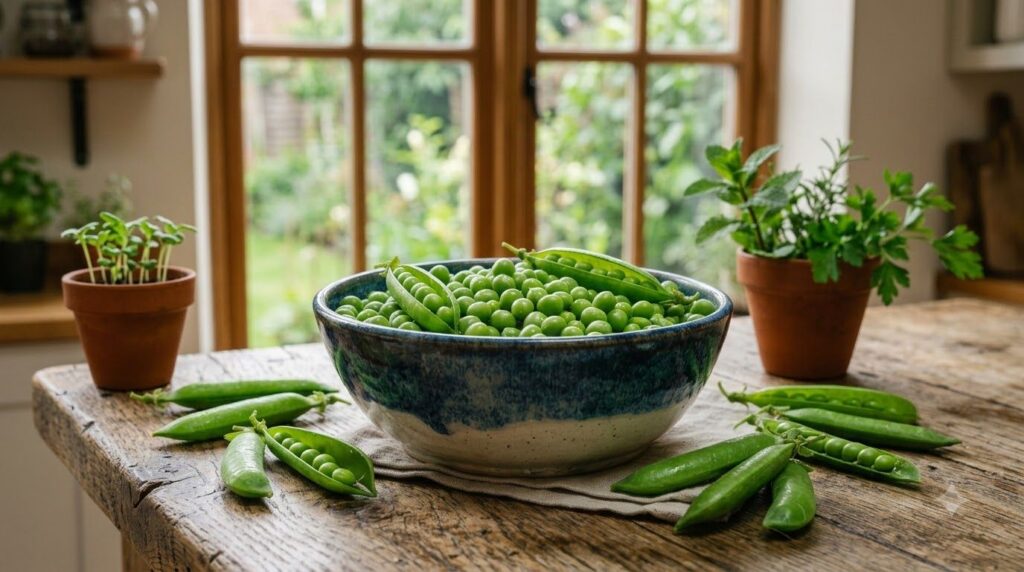
Often overlooked, green peas are a fantastic source of plant-based protein and fiber. They’re versatile and can be added to almost any dish.
Artichokes
Beyond their unique flavor, artichokes offer a good amount of protein and an impressive fiber content, making them very satisfying.
Brussels Sprouts
These mini cabbages are not only packed with protein but also rich in vitamins C and K, and plenty of fiber. They’re delicious roasted or sautéed.
Broccoli
A cruciferous superstar, broccoli provides protein, fiber, and a wealth of vitamins like C and K, plus folate.
Potatoes
Surprisingly, potatoes offer a decent amount of protein, especially when consumed with their skin. They’re also an excellent source of potassium and vitamin C.
Spinach
While not as high in protein per serving as some others, spinach adds a nutritional punch to meals with its vitamins A, C, and K, iron, and a modest protein content.
Kale
This leafy green powerhouse is renowned for its high vitamin K content, along with vitamins A and C, fiber, and protein.
Mushrooms
Certain varieties of mushrooms, like cremini and shiitake, provide a good amount of protein and are rich in B vitamins and selenium.
Asparagus
Known for its detoxifying properties, asparagus also contributes protein, fiber, and vitamins K and A to your diet.
Protein-Packed Vegetable Chart (Per 1 Cup Serving)
| Food | Calories | Protein (g) | Carbs (g) | Fat (g) | Fiber (g) | Main Nutrients | Best Benefit |
|---|---|---|---|---|---|---|---|
| Green Peas | 117 | 8 | 21 | 0.6 | 8 | Vitamins A, C, K, Folate | High Protein & Fiber |
| Artichokes | 60 | 4 | 13 | 0.4 | 7 | Vitamins C, K, Folate | Excellent Fiber |
| Brussels Sprouts | 56 | 4 | 11 | 0.4 | 4 | Vitamins C, K, Folate | Antioxidant Rich |
| Broccoli | 55 | 4 | 11 | 0.6 | 5 | Vitamins C, K, Folate | Immune Support |
| Potatoes (with skin) | 161 | 4 | 37 | 0.2 | 4 | Potassium, Vitamin C | Energy & Electrolytes |
| Spinach | 41 | 5 | 7 | 0.5 | 4 | Vitamins A, C, K, Iron | Iron & Vitamins |
| Kale | 33 | 3 | 7 | 0.6 | 2 | Vitamins A, C, K | Nutrient Dense |
| Mushrooms (Cremini) | 22 | 3 | 3 | 0.3 | 1 | B Vitamins, Selenium | Umami Flavor & B Vitamins |
| Asparagus | 27 | 3 | 5 | 0.3 | 3 | Vitamins K, A, Folate | Digestive Aid |
Best Ways to Eat Protein-Packed Vegetables
Incorporating these vegetables into your diet is simpler than you might think. Here are some ideas:
- Smoothies: Add a handful of spinach or kale to your morning smoothie for an undetectable nutrient boost.
- Stir-fries: Broccoli, Brussels sprouts, and peas are excellent in stir-fries with your favorite protein source.
- Salads: Raw or lightly steamed broccoli florets, kale, or spinach make a fantastic base or addition to any salad.
- Roasting: Roasting vegetables like Brussels sprouts, asparagus, and potatoes brings out their natural sweetness and makes them incredibly flavorful.
- Soups and Stews: Peas, potatoes, and spinach can be easily added to hearty soups and stews for extra nutrition.
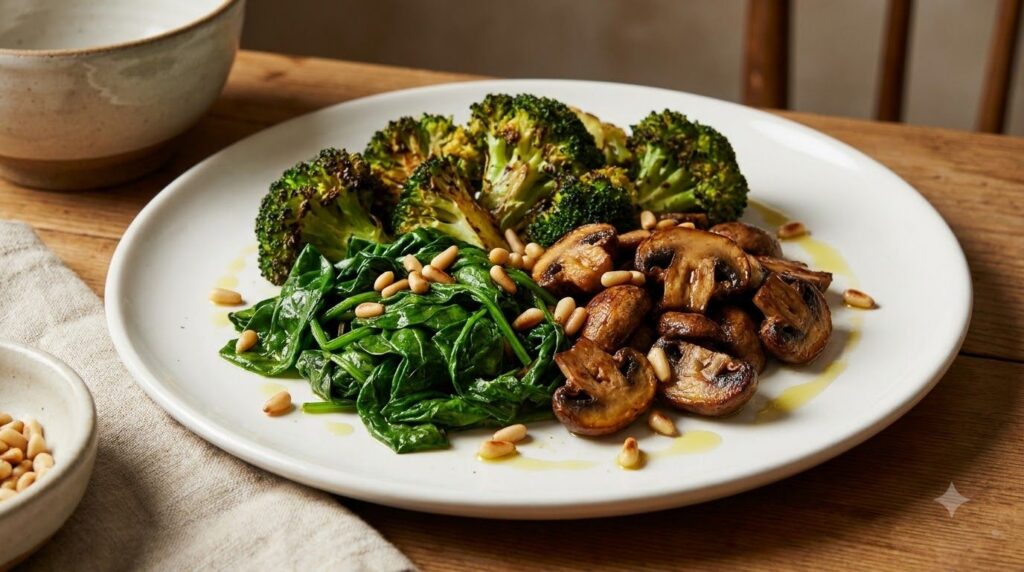
- Omelets and Scrambles: Spinach and mushrooms are classic additions to egg dishes, boosting both flavor and protein.
Practical Tips for Boosting Veggie Protein
- Batch Cook: Roast a large tray of protein-rich vegetables at the start of the week for quick additions to meals.
- Sneak Them In: Puree cooked spinach into pasta sauces or casseroles.
- Mix and Match: Combine different protein-rich vegetables in one dish to maximize nutrient intake and flavor.
- Don’t Overcook: Aim for tender-crisp vegetables to retain maximum nutrients and appealing texture.
- Experiment with Seasonings: Herbs, spices, lemon juice, and a drizzle of olive oil can transform the taste of simple vegetables.
FAQs About Protein-Packed Vegetables
Q: Can I get enough protein from vegetables alone?
A: Yes, it is entirely possible to meet your protein needs through a well-planned plant-based diet that includes a variety of protein-rich vegetables, legumes, grains, nuts, and seeds.
Q: Are all vegetables good sources of protein?
A: While all vegetables contain some protein, some offer significantly more per serving than others. Leafy greens, cruciferous vegetables, and starchy vegetables tend to have higher protein content compared to watery options like celery or cucumber.
Q: How much protein do I need daily?
A: The recommended daily allowance (RDA) for protein is 0.8 grams of protein per kilogram of body weight. This can vary based on age, activity level, and health goals. Always consult with a healthcare professional for personalized recommendations.
Q: Do cooking methods affect protein content in vegetables?
A: Protein itself is generally stable during cooking. However, excessive boiling can leach out water-soluble vitamins. Steaming, roasting, or sautéing are good methods to preserve nutrients.
Q: Are frozen vegetables as nutritious as fresh ones?
A: Absolutely! Frozen vegetables are often picked at their peak ripeness and flash-frozen, locking in their nutrients. They are a convenient and equally nutritious option.
Q: Can children benefit from protein-packed vegetables?
A: Yes, definitely! Introducing a variety of protein-rich vegetables early on can help children develop healthy eating habits and ensure they get essential nutrients for growth and development.
Conclusion
Who knew vegetables could be such protein powerhouses? By consciously including options like green peas, broccoli, Brussels sprouts, and spinach in your meals, you can effortlessly boost your protein intake while enjoying a wide array of other beneficial nutrients. These versatile veggies are not only good for you but also incredibly delicious and satisfying, proving that healthy eating can be both easy and exciting.
Start experimenting with these protein-packed choices today and feel the difference they make in your energy levels and overall well-being. Your plate, and your body, will thank you!
This content is for educational purposes only and should not be considered medical advice. Consult a qualified healthcare professional for personalized dietary recommendations.