Are you looking to make healthier choices without completely overhauling your diet? Small, intentional changes can lead to significant results, especially when it comes to weight management and overall well-being. Simple food swaps are a fantastic way to upgrade your meals and snacks, helping you cut down on unwanted calories, unhealthy fats, and added sugars, while boosting your intake of essential nutrients.
This article will guide you through easy, delicious, and impactful food swaps that can support your weight loss journey. You’ll discover smart alternatives that are not only tasty but also promote better digestion and sustained energy. Let’s dive in and transform your eating habits one swap at a time!
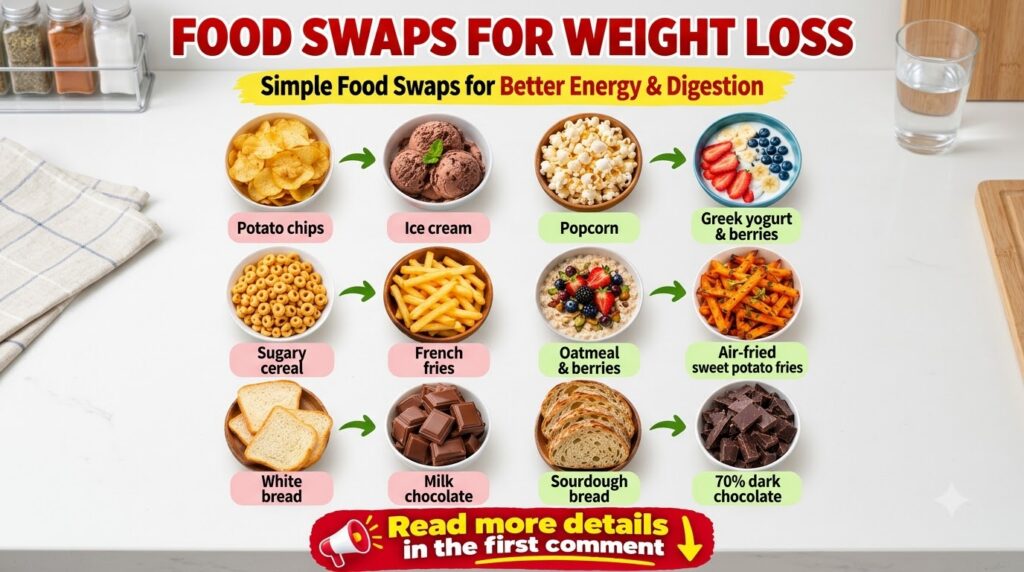
Why Simple Food Swaps Work for Weight Loss
The beauty of food swaps lies in their simplicity. Instead of feeling deprived, you’re empowered to choose a nourishing alternative that satisfies your cravings while aligning with your health goals. These small changes accumulate over time, leading to a noticeable difference in your energy levels, mood, and waistline.
- Calorie Reduction: Healthier swaps often contain fewer calories, making it easier to create a calorie deficit for weight loss.
- Increased Nutrients: Many swaps introduce more fiber, vitamins, and minerals into your diet, promoting satiety and better bodily function.
- Better Blood Sugar Control: Opting for whole, unprocessed foods can help stabilize blood sugar, preventing energy crashes and intense cravings.
- Improved Digestion: Swaps rich in fiber support a healthy digestive system, which is crucial for nutrient absorption and overall gut health.
Transform Your Plate: Smart Food Swaps
Here are some common food swaps that can make a big difference in your diet:
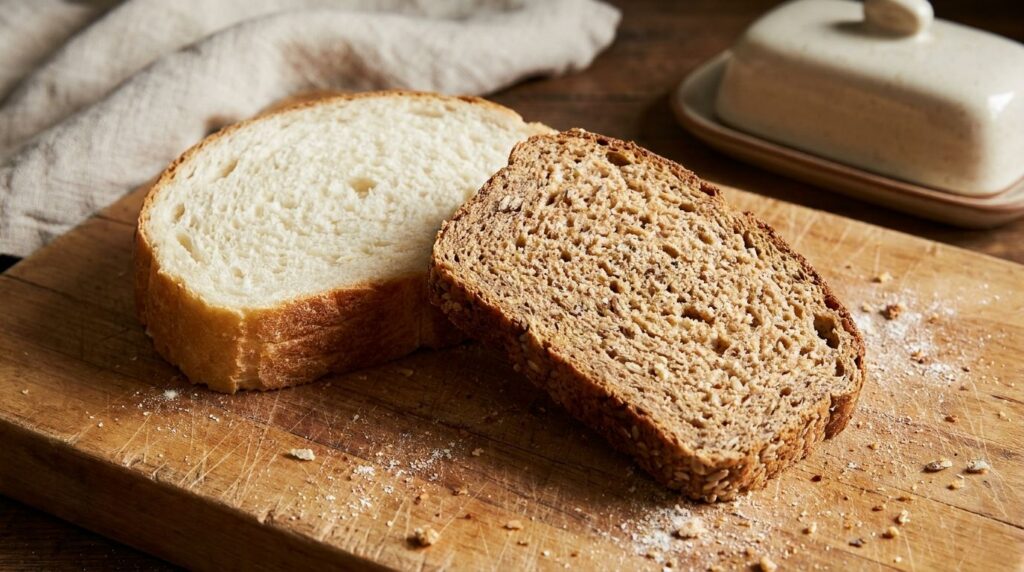
1. White Bread vs. Whole Wheat Bread
White bread, often made from refined grains, offers little in terms of nutritional value. Whole wheat bread, on the other hand, retains the entire grain kernel, including the bran, germ, and endosperm.
| Food | Calories | Protein | Carbs | Fat | Fiber | Main Nutrients | Best Benefit |
|---|---|---|---|---|---|---|---|
| White Bread (1 slice) | ~80 | 2.5g | 14g | 1g | 0.5g | Minimal | Quick energy |
| Whole Wheat Bread (1 slice) | ~80 | 4g | 14g | 1g | 2g | Fiber, B Vitamins | Sustained energy, satiety |
Why it’s better:
Whole wheat bread provides more fiber, which helps you feel fuller for longer and aids digestion. It also has a lower glycemic index, preventing sharp spikes in blood sugar.
2. Sugary Soda vs. Sparkling Water with Fruit
Sugary sodas are loaded with empty calories and artificial ingredients that contribute to weight gain and various health issues. Sparkling water infused with natural fruit offers a refreshing, hydrating alternative.
| Food | Calories | Protein | Carbs | Fat | Fiber | Main Nutrients | Best Benefit |
|---|---|---|---|---|---|---|---|
| Sugary Soda (12 oz) | ~150 | 0g | 39g | 0g | 0g | Sugar | Instant sugary taste |
| Sparkling Water + Fruit (12 oz) | ~5-10 | 0g | 1-2g | 0g | 0g | Hydration, Vitamins (from fruit) | Hydration, refreshing, zero added sugar |
Why it’s better:
This swap drastically cuts down on added sugars and calories, helping with weight loss. It also promotes better hydration without the unhealthy additives found in soda.
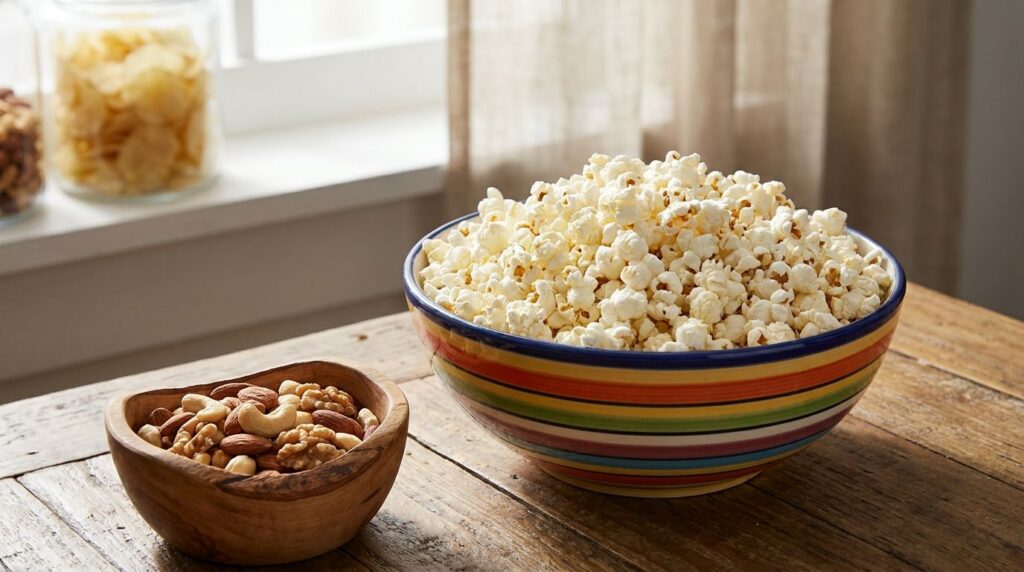
3. Potato Chips vs. Air-Popped Popcorn or Nuts
Potato chips are often high in unhealthy fats, sodium, and calories. Air-popped popcorn (lightly seasoned) or a small handful of unsalted nuts provide a more nutritious crunch.
| Food | Calories | Protein | Carbs | Fat | Fiber | Main Nutrients | Best Benefit |
|---|---|---|---|---|---|---|---|
| Potato Chips (1 oz) | ~150 | 2g | 15g | 10g | 1g | Sodium, Saturated Fat | Crunchy snack |
| Air-Popped Popcorn (1 oz) | ~100 | 3g | 20g | 1g | 4g | Fiber | High fiber, low calorie snack |
| Mixed Nuts (1 oz) | ~170 | 5g | 6g | 15g | 3g | Healthy Fats, Protein, Magnesium | Healthy fats, protein, satiety |
Why it’s better:
Air-popped popcorn offers significant fiber with fewer calories and unhealthy fats. Nuts provide healthy fats, protein, and fiber, promoting satiety and offering numerous micronutrients.
4. Creamy Dressing vs. Vinaigrette
Creamy salad dressings can add hundreds of unnecessary calories and unhealthy fats to an otherwise healthy salad. A simple vinaigrette made with olive oil and vinegar is a much lighter and healthier option.
| Food | Calories | Protein | Carbs | Fat | Fiber | Main Nutrients | Best Benefit |
|---|---|---|---|---|---|---|---|
| Creamy Ranch Dressing (2 tbsp) | ~130 | 0g | 2g | 14g | 0g | Sodium, Saturated Fat | Rich flavor |
| Olive Oil Vinaigrette (2 tbsp) | ~100 | 0g | 1g | 11g | 0g | Healthy Fats (Monounsaturated) | Healthy fats, light flavor |
Why it’s better:
Vinaigrettes, especially those made with extra virgin olive oil, provide healthy monounsaturated fats that are good for heart health, while significantly reducing saturated fat and calorie intake.
5. Refined Pasta vs. Whole Wheat Pasta or Zucchini Noodles
Similar to white bread, refined pasta is stripped of beneficial fiber and nutrients. Whole wheat pasta offers a more nutritious profile, and zucchini noodles (zoodles) are an excellent low-carb, low-calorie alternative.
| Food | Calories | Protein | Carbs | Fat | Fiber | Main Nutrients | Best Benefit |
|---|---|---|---|---|---|---|---|
| Refined Pasta (2 oz dry) | ~210 | 7g | 43g | 1g | 2g | Carbohydrates | Quick energy |
| Whole Wheat Pasta (2 oz dry) | ~200 | 8g | 40g | 1g | 5g | Fiber, B Vitamins | Sustained energy, satiety |
| Zucchini Noodles (1 cup) | ~20 | 1g | 4g | 0g | 1g | Vitamin C, Potassium | Very low calorie, high hydration |
Why it’s better:
Whole wheat pasta provides more fiber for improved digestion and satiety. Zucchini noodles offer a fantastic way to enjoy your favorite pasta dishes with significantly fewer calories and carbs, boosting vegetable intake.
6. Processed Snacks (Cookies, Candy) vs. Fresh Fruit
Processed snacks are typically high in added sugars, unhealthy fats, and artificial ingredients, offering minimal nutritional benefits. Fresh fruit, on the other hand, is packed with vitamins, minerals, fiber, and natural sweetness.
| Food | Calories | Protein | Carbs | Fat | Fiber | Main Nutrients | Best Benefit |
|---|---|---|---|---|---|---|---|
| Chocolate Chip Cookie (1 large) | ~150 | 1.5g | 20g | 7g | 0.5g | Sugar, Saturated Fat | Sweet treat |
| Apple (1 medium) | ~95 | 0.5g | 25g | 0.3g | 4.5g | Fiber, Vitamin C | Nutrient-dense, naturally sweet |
| Blueberries (1 cup) | ~85 | 1g | 21g | 0.5g | 4g | Antioxidants, Vitamin K | Antioxidant-rich, naturally sweet |
Why it’s better:
Fresh fruit provides natural sugars along with a wealth of vitamins, minerals, and fiber. This helps regulate blood sugar, provides sustained energy, and contributes to overall health without the harmful additives of processed snacks.
Practical Tips for Successful Food Swaps
- Start Small: Don’t try to change everything at once. Pick one or two swaps to implement each week.
- Read Labels: Always check nutrition labels to understand what’s in your food, especially for sugar content, fiber, and unhealthy fats.
- Get Creative: Experiment with different herbs and spices to add flavor to healthier dishes without relying on salt or sugar.
- Plan Ahead: Keep healthier options readily available. Stock your pantry and fridge with whole wheat bread, fresh fruits, vegetables, nuts, and sparkling water.
- Cook at Home: Preparing your own meals gives you control over ingredients and portion sizes, making healthy swaps easier.
- Listen to Your Body: Pay attention to how different foods make you feel. You’ll likely notice increased energy and better digestion with healthier choices.
FAQs About Food Swaps for Weight Loss
Q: Are all healthy swaps suitable for everyone?
A: While generally beneficial, individual dietary needs and allergies vary. Always consult a healthcare professional for personalized advice.
Q: How quickly will I see results from these swaps?
A: Weight loss is gradual. Consistency with healthy swaps, combined with a balanced diet and exercise, will yield results over time.

