Are you dreaming of a vibrant garden bursting with unique flowers and robust plants? Many of us aspire to grow beautiful blooms and hearty vegetables from seed, but sometimes, certain seeds seem stubbornly resistant to germination. If you’ve ever wondered why some seeds need a little extra nudge to sprout, the answer might lie in a natural process called cold stratification.
Cold stratification is a fascinating technique that mimics winter conditions to prepare seeds for germination. It’s a simple yet powerful method that can unlock the potential of many dormant seeds, helping you cultivate a wider variety of plants in your garden. Let’s dive into what cold stratification is, why it’s important, and how you can easily do it at home.
What is Cold Stratification and Why is it Necessary?
In nature, many perennial plants, trees, and shrubs in temperate climates have seeds that require a period of cold and moisture before they can germinate. This dormancy mechanism prevents seeds from sprouting too early in the fall or winter, ensuring they only emerge when conditions are favorable for growth, typically in the spring.
Cold stratification essentially tells the seed, “Winter is over, it’s safe to grow now!” Without this cold period, the seed’s embryo remains dormant, even if provided with warmth and moisture. By simulating these natural conditions, gardeners can trick the seeds into breaking their dormancy and preparing for successful germination.
Which Seeds Benefit from Cold Stratification?
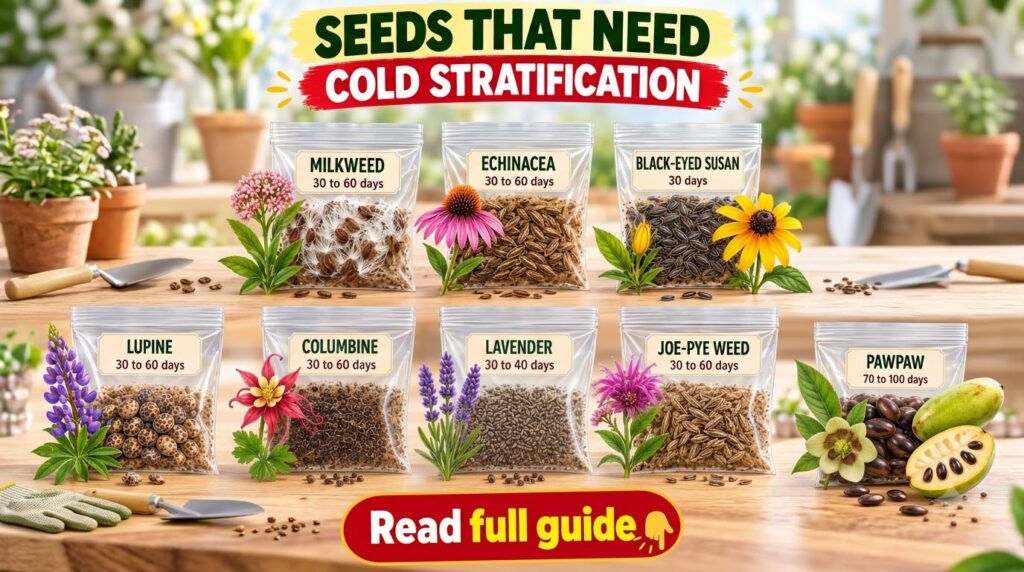
Many popular garden plants benefit from or even require cold stratification. These often include native plants, wildflowers, and some fruits and vegetables. Here are a few common examples:
- Herbs: Lavender, Rosemary, Thyme
- Flowers: Coneflower (Echinacea), Milkweed, Primrose, Columbine, Poppies, Liatris
- Trees & Shrubs: Oak, Maple, Dogwood, Pawpaw, Elderberry
- Fruits: Apples, Pears, Cherries, Blueberries
Always check your seed packet for specific instructions, as some seeds may have different requirements or durations for cold stratification.
How to Cold Stratify Seeds: Easy Methods for Home Gardeners
There are several ways to cold stratify seeds, depending on your preference and the type of seed. The key is to provide consistent cold temperatures (just above freezing, typically 33-40°F or 1-4°C) and moisture for the recommended period.
1. The Paper Towel Method (for smaller seeds)
- Moisten: Dampen a paper towel until it’s wet but not dripping.
- Place Seeds: Spread your seeds evenly on one half of the paper towel.
- Fold: Fold the other half of the paper towel over the seeds.
- Bag It: Place the folded paper towel with seeds into a sealable plastic bag or a small container.
- Refrigerate: Label the bag with the seed name and date, then place it in your refrigerator for the recommended duration (usually 4-12 weeks).
- Check: Periodically check for moisture and add a few drops of water if it starts to dry out. Also, watch for premature germination!
2. The Sand or Peat Moss Method (for larger seeds or more volume)
- Prepare Medium: Mix your seeds with a moist, sterile medium like sand, vermiculite, or peat moss. The medium should be damp, not soggy.
- Container: Place the mixture in a sealable plastic bag or a container with drainage holes.
- Refrigerate: Label and store in the refrigerator for the recommended period.
- Maintain Moisture: Ensure the medium remains consistently moist throughout the stratification period.
3. Direct Outdoor Sowing (the natural way)
For gardeners who prefer a hands-off approach, direct outdoor sowing is a fantastic option, especially for seeds that are native to your climate. Sow the seeds directly into your garden beds in late fall or early winter, mimicking nature’s process. The winter snow, rain, and cold temperatures will naturally stratify the seeds, and they will germinate when spring arrives.
Tips for Success
- Label Everything: It’s easy to forget what’s in which bag! Clearly label each container with the seed type, date started, and expected stratification duration.
- Maintain Moisture: The seeds need to stay consistently moist, but not waterlogged, during the stratification period. Excess water can lead to mold.
- Temperature Consistency: Keep the seeds in a consistent cold temperature. The crisper drawer of your refrigerator often works well.
- Patience is Key: Don’t rush the process. Follow the recommended stratification times for each seed type.
- Prevent Mold: If you notice mold, a light misting with a dilute hydrogen peroxide solution (1 part 3% hydrogen peroxide to 9 parts water) can help, but ensure good air circulation to prevent it in the first place.
By incorporating cold stratification into your seed-starting routine, you can significantly increase your germination rates for many beautiful and sometimes challenging plants. It’s a rewarding way to connect with the natural cycles of growth and enjoy a more diverse and thriving garden!