Known for its striking appearance and incredible resilience, the ZZ plant (Zamioculcas zamiifolia) has become a beloved staple in homes and offices worldwide. While its glossy, dark green leaves are what often catch our eye, the true secret to its enduring beauty and hardiness lies beneath the soil: its robust and often overlooked root system. Understanding and nourishing these hidden foundations is key to ensuring your ZZ plant thrives for years to come.
Join us as we take a closer look at the fascinating world beneath the soil and uncover how to give your ZZ plant’s roots the essential nutrients and care they need to flourish.
The Amazing Anatomy of ZZ Plant Roots
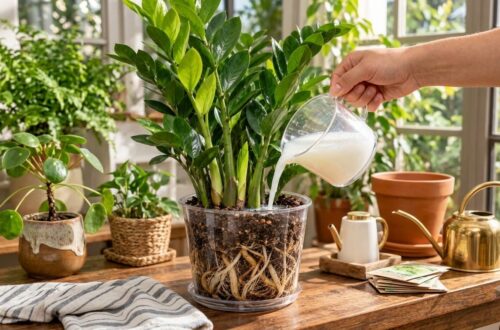
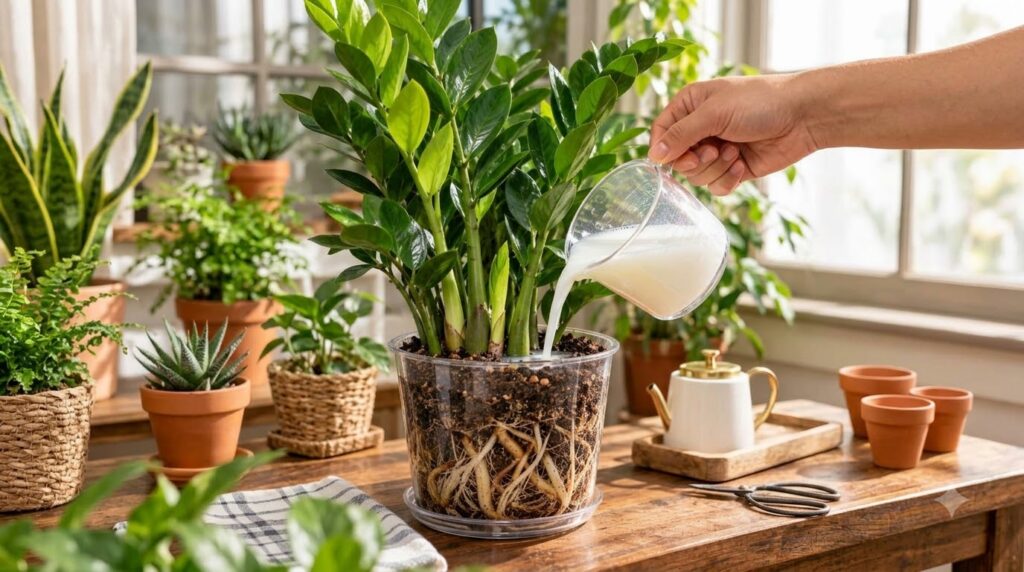
Unlike many other houseplants, the ZZ plant has a unique root structure characterized by thick, potato-like rhizomes. These rhizomes serve as natural reservoirs, storing water and nutrients, which is precisely why ZZ plants can tolerate periods of drought and are often forgiving for forgetful gardeners. However, while they are excellent at storing resources, they still need proper care to develop robustly and support the plant’s growth.
Why Root Health Matters
- Nutrient Absorption: Healthy roots are efficient at absorbing water and essential nutrients from the soil, directly impacting the plant’s vigor and leaf development.
- Anchoring and Stability: A strong root system provides stability, preventing your plant from toppling over as it grows larger.
- Disease Resistance: Well-maintained roots are less susceptible to rot and disease, acting as a strong defense mechanism for the entire plant.
Essential Nutrients for Thriving ZZ Plant Roots
Just like any living organism, ZZ plants require a balanced diet of macro and micronutrients to build strong roots and lush foliage. While their needs are relatively modest, providing the right elements at the right time can make a significant difference.
Macronutrients: The Big Three
- Nitrogen (N): Primarily known for promoting leafy growth, nitrogen also plays a role in overall plant health, indirectly benefiting roots by supporting the photosynthetic processes that fuel root development.
- Phosphorus (P): This is the superstar for roots! Phosphorus is crucial for healthy root development, flower and fruit production, and overall plant energy transfer. It encourages strong, extensive root systems.
- Potassium (K): Potassium helps with the plant’s overall health, including water and nutrient transport, and strengthens its ability to resist diseases and environmental stresses. It supports robust root growth and general plant resilience.
Micronutrients and Soil Health
Don’t forget the importance of micronutrients like iron, manganese, zinc, and copper, which are needed in smaller quantities but are vital for various plant functions. A good quality potting mix designed for indoor plants, often peat-based with perlite for drainage, will usually contain a good balance of these. Over time, as plants use these nutrients, replenishment through balanced fertilization becomes important.
Watering Wisely: The Golden Rule for ZZ Plants
The most common mistake gardeners make with ZZ plants is overwatering, which leads to root rot – a silent killer for these drought-tolerant beauties. Their rhizomes store water, so they prefer to dry out thoroughly between waterings.
- Check the Soil: Always stick your finger a couple of inches into the soil. If it feels dry, it’s time to water. If it’s still damp, wait a few more days.
- Deep but Infrequent: When you do water, water thoroughly until you see water draining from the bottom of the pot. Then, allow excess water to drain completely.
- Drainage is Key: Always use pots with drainage holes to prevent water from sitting around the roots.
Fertilizing for Root Vigor
ZZ plants are not heavy feeders. Excessive fertilization can lead to nutrient burn and damage to the root system. A little goes a long way!
- When to Fertilize: During the growing season (spring and summer), you can fertilize your ZZ plant once every 2-4 months. Avoid fertilizing in fall and winter when the plant’s growth slows down.
- Choose the Right Fertilizer: Opt for a balanced liquid houseplant fertilizer (e.g., 10-10-10 or 20-20-20) diluted to half or even quarter strength. Fertilizers slightly higher in phosphorus can be beneficial for root development.
- Apply to Moist Soil: Always fertilize after watering your plant to prevent root burn.
Repotting for Continued Vigor
ZZ plants appreciate being slightly root-bound, but eventually, they will need a larger home to allow their rhizomes and roots to expand. Signs your ZZ needs repotting include roots circling the bottom of the pot, rhizomes pushing against the sides, or water running straight through the pot without soaking in.
When repotting, choose a pot only one size larger than the current one and use fresh, well-draining potting mix. Be gentle with the roots during this process to minimize stress.
A Healthy Root, A Happy Plant
By understanding the unique needs of your ZZ plant’s roots and providing consistent, thoughtful care, you’re investing in the long-term health and beauty of your plant. Remember, a thriving plant starts from the ground up – or rather, from the roots down!
Share your ZZ plant care tips with us in the comments below. We’d love to hear how you keep your rhizomes happy and healthy!