Building a balanced plate with colorful whole foods is more than just a culinary trend—it’s a foundational strategy for optimizing your health and well-being. Imagine your plate as a canvas, where each vibrant ingredient contributes unique nutrients, antioxidants, and fiber, all working in harmony to fuel your body and protect it from within.
At Glowra Health, we believe that embracing a diverse array of fruits, vegetables, nuts, herbs, and spices is key to unlocking your body’s full potential. This guide will delve into the specific benefits of incorporating a rainbow of whole foods into your daily meals, providing practical insights on how to elevate your eating habits for lasting wellness.
From boosting immunity to enhancing digestion and providing sustained energy, the power of a colorful, whole-food diet is immense. Let’s explore how these natural wonders can transform your approach to nutrition.
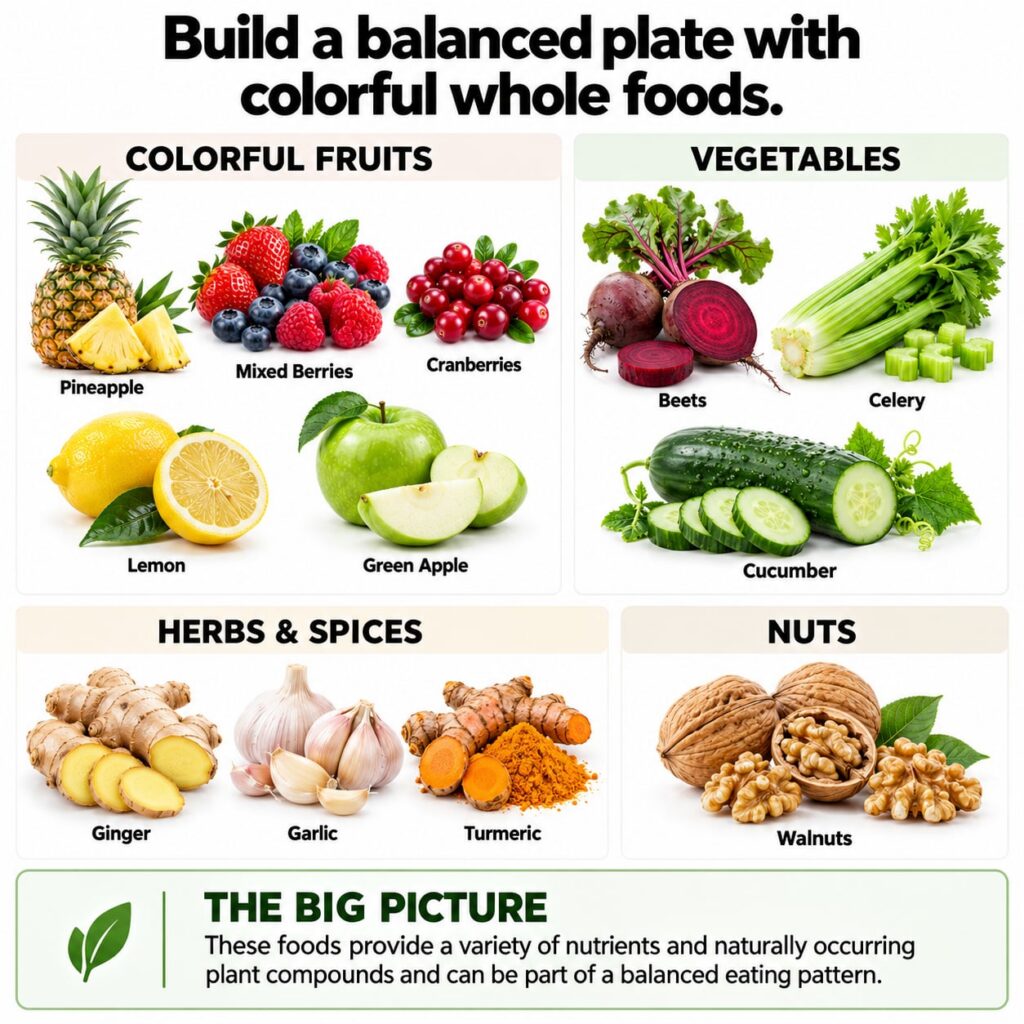
Why Colorful Whole Foods Matter for Your Health
Incorporating a wide spectrum of colorful whole foods into your diet ensures you’re getting a broad range of essential vitamins, minerals, fiber, and phytonutrients. Each color often signifies the presence of different beneficial compounds, offering unique protective qualities for your body.
The Power of Pigments: What Each Color Brings
- Red & Purple (e.g., Berries, Beets, Cranberries, Apples): Often rich in anthocyanins and lycopene, these foods are potent antioxidants known for supporting heart health and cognitive function.
- Yellow & Orange (e.g., Pineapple, Lemon): Packed with Vitamin C and carotenoids, they contribute to immune health, skin radiance, and vision.
- Green (e.g., Celery, Cucumber): Excellent sources of vitamins K and B, chlorophyll, and vital hydration, supporting bone health, detoxification, and overall vitality.
- White/Brown (e.g., Garlic, Ginger, Walnuts, Turmeric): These often contain unique sulfur compounds, healthy fats, and curcuminoids, which offer anti-inflammatory and immune-boosting properties.
By consciously choosing a variety of colors, you create a powerful synergy that optimizes bodily functions, from digestion to cellular repair.
Key Ingredients for Your Vibrant, Balanced Plate
Let’s dive deeper into the specific whole foods highlighted for their exceptional nutritional value, providing you with a roadmap for your next healthy grocery haul.
Fruits: Nature’s Sweet & Tangy Boosters
- Pineapple: A tropical delight, pineapple is renowned for its bromelain enzyme, which aids digestion and may help reduce inflammation. It’s also an excellent source of Vitamin C and manganese.
- Berries (Blueberries, Strawberries, Raspberries): These small but mighty fruits are loaded with antioxidants, particularly anthocyanins, which protect cells from damage. They are also a good source of fiber, supporting digestive health. Incorporate them into your healthy breakfast ideas.
- Cranberries: Known for their tart flavor, cranberries are particularly beneficial for urinary tract health due to their unique proanthocyanidins (PACs). They also offer significant antioxidant support.
- Lemon: More than just a garnish, lemons are a fantastic source of Vitamin C, promoting immunity and collagen production. Adding lemon to water can also aid digestion and alkalize the body.
- Apples: An everyday superfruit, apples provide dietary fiber, which supports gut health and satiety, along as well as various antioxidants that contribute to heart health.
Vegetables: The Foundation of Wellness
- Beets: These earthy root vegetables are rich in nitrates, which can improve blood flow and lower blood pressure. They are also a good source of folate, manganese, and fiber.
- Celery: With its high water content and fiber, celery is excellent for hydration and digestion. It also contains powerful antioxidants and anti-inflammatory compounds.
- Cucumber: Composed mostly of water, cucumbers are incredibly hydrating and help flush toxins from the body. They also contain essential vitamins like K and C.
Herbs & Spices: Flavorful Health Enhancers
- Ginger: A pungent root widely used for its medicinal properties, ginger is a powerful anti-inflammatory and antioxidant. It’s often used to soothe digestive issues and nausea.
- Garlic: Beyond its distinct flavor, garlic is celebrated for its immune-boosting properties, attributed to sulfur-containing compounds like allicin. It also supports cardiovascular health.
- Turmeric: This golden spice contains curcumin, a compound with potent anti-inflammatory and antioxidant effects. It’s being studied for its potential benefits across numerous health conditions.
Nuts: Healthy Fats & Protein
- Walnuts: Among nuts, walnuts stand out for their exceptional omega-3 fatty acid content, crucial for brain health and reducing inflammation. They also provide protein, fiber, and antioxidants.
Crafting Your Balanced Plate: Practical Tips for Everyday Eating
Knowing which foods are beneficial is one thing; consistently incorporating them into your diet is another. Here are some actionable tips to make colorful whole foods a staple in your daily routine:
- Start with Color: When planning meals, consciously aim for at least three different colors on your plate. This simple visual cue helps ensure diversity.
- Hydrate with a Twist: Add slices of lemon and cucumber to your water for a refreshing, nutrient-infused drink.
- Smoothie Power: Blend pineapple, berries, ginger, and a handful of spinach (for extra green!) into a delicious and nutritious smoothie.
- Snack Smart: Keep apples, celery sticks with nut butter, or a handful of walnuts readily available for healthy snacking.
- Spice It Up: Don’t underestimate the power of herbs and spices. Add fresh ginger and garlic to stir-fries, and sprinkle turmeric into soups, curries, or even scrambled eggs.
- Meal Prep for Success: Dedicate time each week to wash, chop, and store your fruits and vegetables in best meal prep containers. This makes healthy eating effortless during busy weekdays.
- Experiment with Salads: Create vibrant salads with mixed greens, sliced beets, cranberries, walnuts, and a lemon-based dressing.
Frequently Asked Questions About Colorful Whole Foods
Q: How can I ensure I’m getting enough variety if I’m a picky eater?
A: Start small! Try introducing one new colorful fruit or vegetable each week. Blend them into smoothies, roast them with your favorite seasonings, or incorporate them into dishes you already enjoy to gradually expand your palate.
Q: Are frozen fruits and vegetables as nutritious as fresh ones?
A: Absolutely! Frozen fruits and vegetables are often picked at peak ripeness and flash-frozen, locking in their nutrients. They are a convenient and cost-effective way to maintain a colorful and balanced diet year-round.
Q: What’s the best way to clean fruits and vegetables?
A: Always rinse fresh produce under cool running water. For items with firm skins, like apples or beets, use a produce brush to gently scrub away dirt and residues. Avoid using soap or harsh detergents.
Final Thoughts
Embracing a balanced plate with colorful whole foods is one of the most impactful choices you can make for your health. By prioritizing a diverse array of fruits, vegetables, nuts, herbs, and spices like pineapple, berries, cranberries, lemon, apples, beets, celery, cucumber, ginger, garlic, turmeric, and walnuts, you’re not just eating—you’re nourishing your body at a cellular level.
Make every meal an opportunity to celebrate the vibrant spectrum of nature’s bounty. Your body will thank you for it with improved energy, enhanced immunity, and a greater sense of well-being. Start building your rainbow plate today!