Grow Your Greens Forever! Easy Tips for Continuous Vegetable Harvests
Imagine having an endless supply of fresh, homegrown vegetables right from your kitchen counter or garden. Sounds like a dream, doesn’t it? Well, with the magic of regrowing vegetables from scraps, this dream can become a delightful reality! It’s an incredibly rewarding way to reduce waste, save money, and enjoy fresh produce with minimal effort. Join Garden – L. Quyên as we explore simple techniques to turn common kitchen scraps into a continuous harvest.
Why Regrow Your Vegetables?
Regrowing vegetables offers a multitude of benefits for any gardener, from beginner to expert:
- Sustainability: Reduce food waste by utilizing parts of vegetables you’d normally discard.
- Cost-Effective: Save money on groceries by extending the life of your produce.
- Freshness Guaranteed: Enjoy incredibly fresh, nutritious vegetables picked right when you need them.
- Educational & Fun: It’s a fantastic project for families and a fascinating way to understand plant growth cycles.
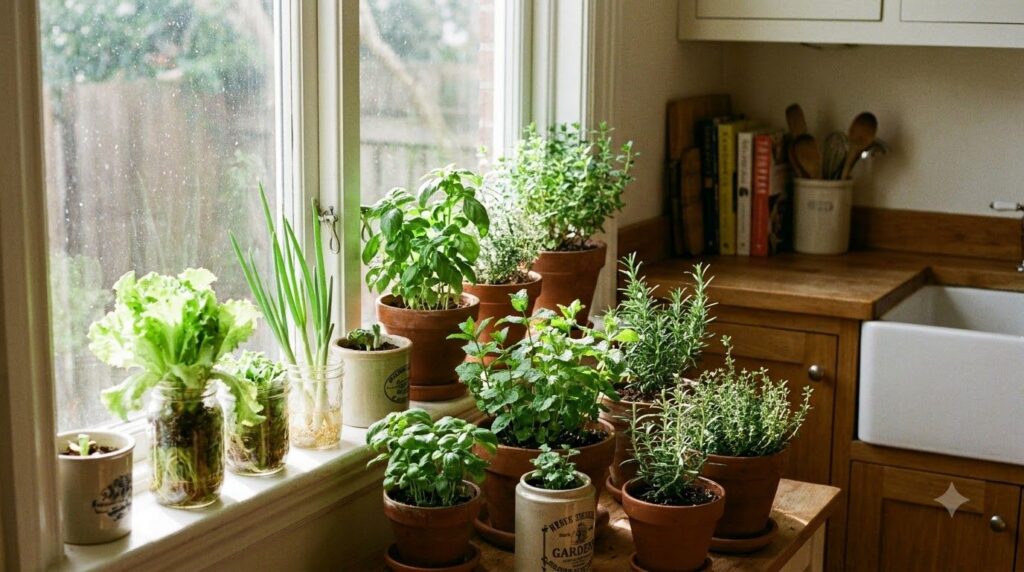
- No Garden Needed: Many vegetables can be regrown indoors on a windowsill, perfect for urban dwellers or those with limited outdoor space.
Basic Principles for Successful Regrowing
Before diving into specific vegetables, let’s cover a few universal tips for success:
- Choose Healthy Scraps: Start with fresh, firm, and healthy vegetable parts free from rot or disease.
- Water or Soil: Some vegetables thrive in water to start, while others prefer direct soil planting. We’ll cover both!
- Good Light: Most regrowing vegetables need plenty of indirect sunlight. A bright windowsill is often ideal.
- Patience is Key: Growth takes time. Be consistent with care and observe your plants’ progress.
- Change Water Regularly: If using the water method, refresh the water every 1-2 days to prevent mold and provide oxygen.
Top Vegetables You Can Easily Regrow
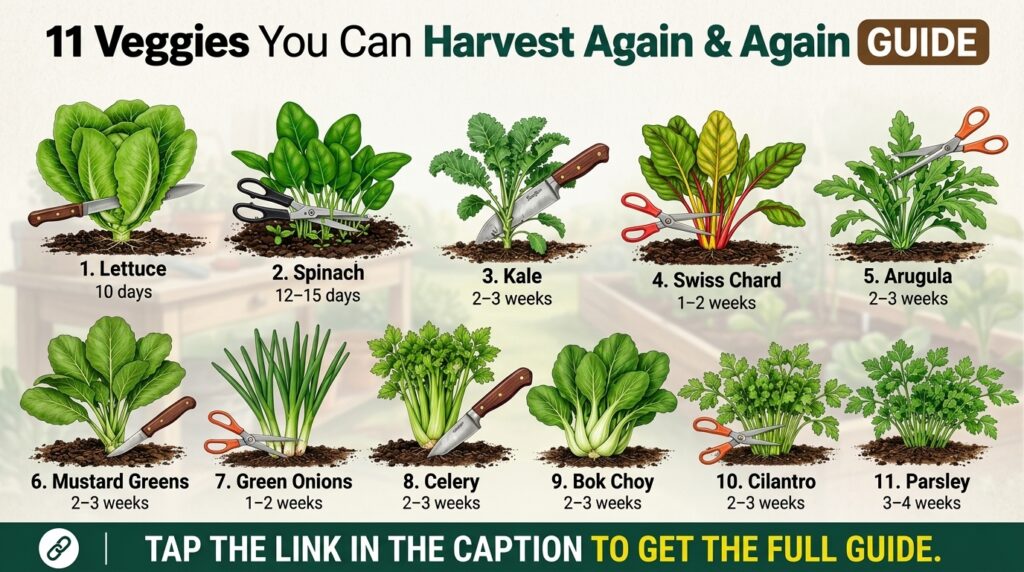
1. Leafy Greens (Lettuce, Celery, Bok Choy)
These are perhaps the easiest and most popular to regrow!
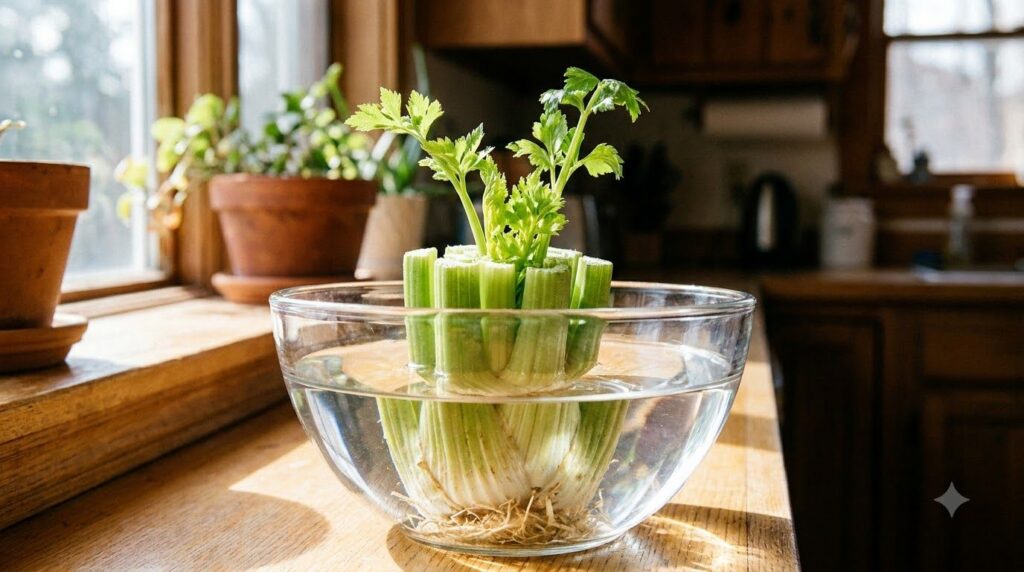
- How To: Cut off the base of the head (about 1-2 inches) and place it in a shallow bowl with about an inch of water. Make sure the cut side faces up.
- Care: Place in a sunny spot and change the water daily. New leaves will sprout from the center within a few days.
- Harvest: Once new growth appears, you can transplant the base into soil or continue to grow it in water, harvesting outer leaves as needed.
2. Scallions (Green Onions) & Leeks
These fast growers are incredibly satisfying to regrow.
- How To: Keep the white root ends of your scallions or leeks, leaving about 1 inch attached. Place them root-side down in a small glass with about an inch of water.
- Care: Place on a sunny windowsill. Change the water every day or two.
- Harvest: New green shoots will appear quickly, often within a day! You can snip off what you need and they will continue to grow back multiple times. For thicker growth, transplant into soil after a week or two.
3. Ginger
While not a quick regrow, it’s a fun long-term project.
- How To: Take a piece of ginger root with at least one visible ‘eye’ (a small bud). Plant it in a pot filled with well-draining soil, with the eye facing upwards, about 1-2 inches deep.
- Care: Keep the soil consistently moist but not waterlogged. Place in a warm spot with indirect light.
- Harvest: After a few months, new ginger rhizomes will form underground. You can carefully dig up part of the root as needed, or harvest the entire plant after about 8-10 months.
4. Garlic
Regrowing garlic provides fresh green garlic shoots, similar to chives.
- How To: Take a single garlic clove (unpeeled) and plant it root-side down in a small pot with soil. Cover lightly with soil.
- Care: Water well and place in a sunny spot.
- Harvest: Green shoots will emerge within a week or two. Snip the greens for salads or cooking. While you can grow new garlic bulbs, it takes much longer and requires specific conditions.
5. Herbs (Basil, Mint, Cilantro)
Give new life to your herb stems!
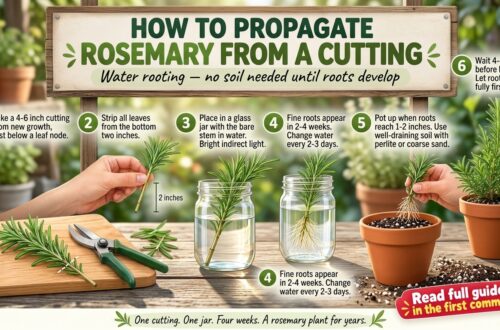
- How To: Take a 4-6 inch cutting from a healthy herb stem, removing leaves from the bottom 2 inches. Place the stem in a glass of water, ensuring the leaf-free part is submerged.
- Care: Place in a bright spot, changing the water every other day. Roots should appear in 1-2 weeks.
- Harvest: Once roots are about an inch long, you can transplant the cutting into a pot with soil. Continue to harvest by pinching off leaves, encouraging bushier growth.
Maintaining Your Regrown Garden
To ensure your regrown vegetables thrive, remember these tips:
- Transplant Wisely: Once your water-rooted scraps develop a good root system, moving them to soil will provide more nutrients and robust growth.
- Fertilize Lightly: After transplanting to soil, a diluted liquid fertilizer can give your plants a boost.
- Monitor for Pests: Indoor plants can attract pests. Inspect regularly and address any issues promptly with natural solutions.
- Harvest & Repeat: Practice ‘cut and come again’ harvesting, where you only take what you need, allowing the plant to continue producing.
Start Your Endless Harvest Today!
Regrowing vegetables is a simple yet impactful way to connect with nature, reduce waste, and enjoy the freshest produce possible. It’s a journey of discovery that adds a touch of green to your home and a sustainable practice to your lifestyle. We hope this guide from Garden – L. Quyên inspires you to start your own endless garden. Give it a try, experiment with different vegetables, and share your success stories with us!
Happy growing!