Embrace the Sweet Journey: Growing Watermelons from Seed to Harvest
There’s something truly magical about watching a tiny seed transform into a luscious, sweet watermelon, ready to be enjoyed on a warm summer day. Watermelons are not just delicious; they offer a rewarding gardening experience, connecting us directly to nature’s incredible cycle of life. If you’ve always dreamed of harvesting your own juicy watermelons, you’re in the right place! Join us as we explore the full circle of a watermelon’s life, from a humble seed to a bountiful harvest, and even back to seed saving for the next generation.
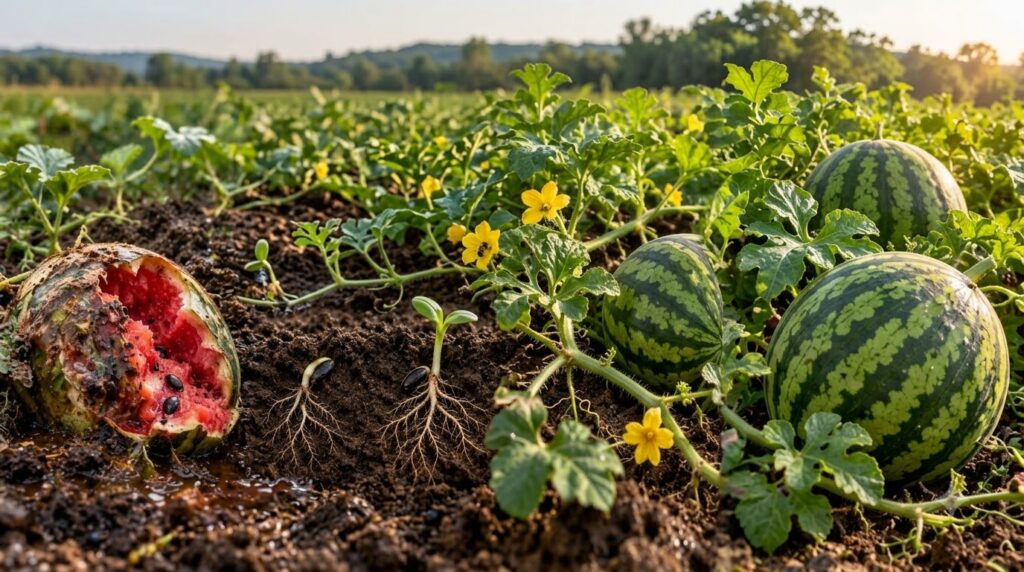
1. From Seed to Sprout: The Beginning of Life
Every great watermelon starts with a single seed. Germinating watermelon seeds is an exciting first step in your gardening adventure. Watermelons thrive in warm soil, so it’s best to start seeds indoors about 3-4 weeks before the last frost date in your area, or direct sow them once the soil temperature consistently reaches 70°F (21°C) or higher.
- Seed Starting Tip: Plant seeds about 1 inch deep in well-draining potting mix. Keep the soil consistently moist but not waterlogged. A heat mat can help speed up germination.
- Transplanting: If starting indoors, transplant seedlings carefully once they have a few true leaves and all danger of frost has passed. Be gentle with their roots!
2. Growing Pains: Young Plants and Sprawling Vines
Once your watermelon seedlings are established, they’ll begin to grow rapidly, sending out long, sprawling vines. Watermelons need plenty of space – ideally, 6-8 feet in all directions for each plant – as their vines can spread quite far. They are heavy feeders, so preparing your soil with plenty of organic matter, like compost, is crucial.
- Sunlight is Key: Choose a spot in your garden that receives at least 6-8 hours of full sunlight daily. This is non-negotiable for sweet, juicy watermelons.
- Watering Wisely: Water deeply and regularly, especially when the plants are flowering and fruiting. Aim for 1-2 inches of water per week. Reduce watering slightly as fruits ripen to concentrate their sweetness.
- Nutrient Needs: Fertilize every 2-3 weeks with a balanced fertilizer, or one slightly higher in phosphorus and potassium once flowering begins.
3. Flowering and Fruit Set: The Promise of Harvest
Soon, your vigorous vines will produce beautiful yellow flowers. Watermelons have both male and female flowers. Only the female flowers, distinguishable by a tiny, swollen base (which is the immature fruit), will develop into watermelons after successful pollination. Bees are your best friends here!
- Pollination Perfection: Encourage pollinators by planting diverse flowers nearby. If natural pollination seems low, you can try hand-pollination by transferring pollen from male flowers to female flowers using a small paintbrush.
- Thinning for Quality: Once fruits start to form, you might consider thinning them. Allowing 2-3 watermelons per plant can result in larger, sweeter fruits compared to letting too many develop.
4. Sweet Harvest: From Green to Ripe
This is the moment gardeners eagerly await! Knowing when a watermelon is perfectly ripe can be tricky, but there are a few tell-tale signs to look for:
- The Tendril Test: The curly tendril closest to the fruit’s stem will typically turn brown and dry when the watermelon is ripe.
- Ground Spot: The spot where the watermelon rests on the ground should turn from white or pale green to a rich, creamy yellow.
- Sound Check: Give the watermelon a gentle tap. A ripe watermelon will produce a deep, hollow sound. An unripe one will sound more metallic or dull.
- Skin Appearance: The skin should look dull, not shiny, and feel firm.
Harvest your watermelons by cutting them from the vine with about an inch or two of stem attached. This helps them store longer.
5. The Full Circle: Saving Seeds and Composting
The journey doesn’t end with harvest! For open-pollinated varieties, you can save seeds from your best-tasting watermelons for next year’s crop. Simply scoop out the seeds, wash them thoroughly to remove any pulp, and dry them completely before storing them in a cool, dark, dry place.
Any remaining plant material, including vines and rinds, can be added to your compost pile, enriching your soil for future planting. This truly brings the watermelon’s full circle of life to a satisfying close.
Growing watermelons is a rewarding experience that offers both delicious fruit and a deeper connection to the natural world. With a little care and patience, you can enjoy the sweet taste of your own home-grown harvest. Happy gardening!