Most people ignore dandelions, dismissing them as stubborn weeds in their lawns. However, these cheerful yellow blooms hold a surprising array of practical uses, from a soothing tea to a beneficial infused oil. If you’ve only ever seen dandelions as a nuisance, you’re about to unlock a world of simple, natural remedies waiting right outside your door.
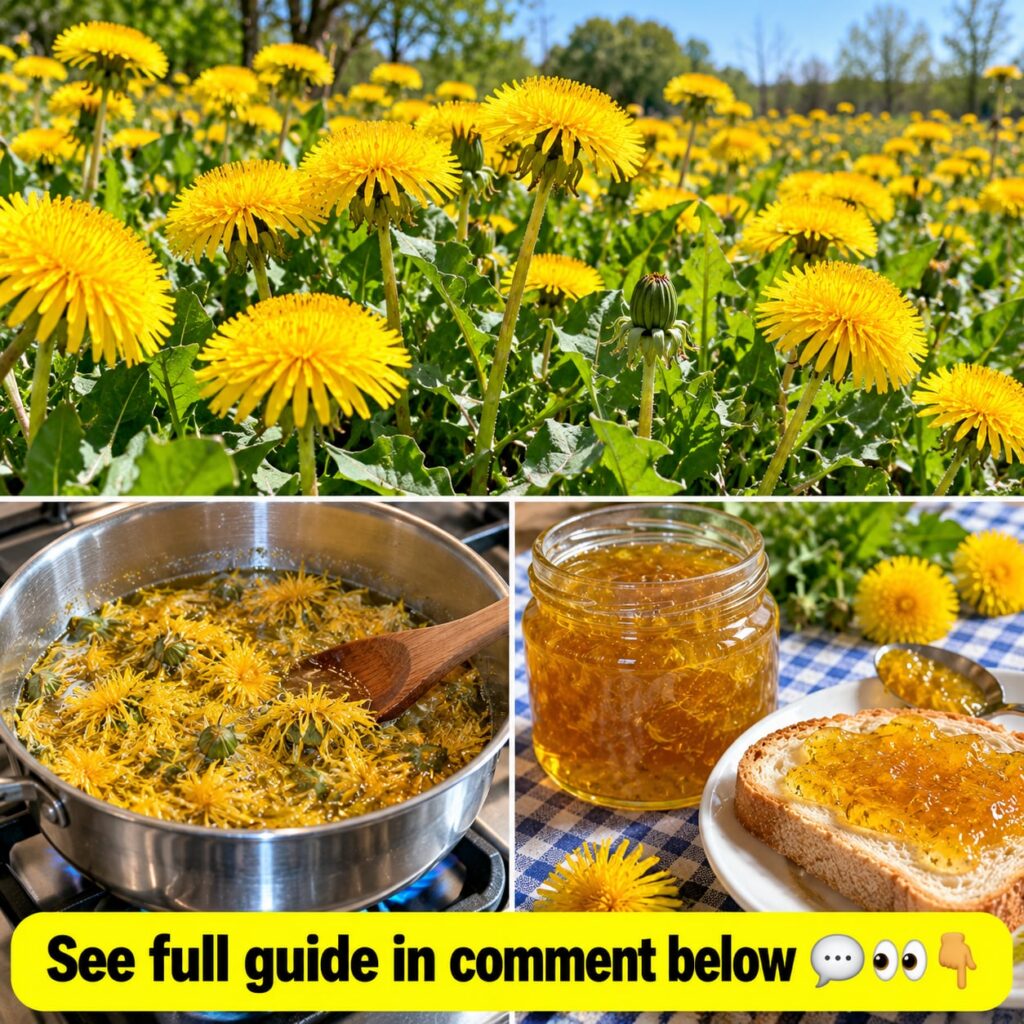
What It Is: Dandelion Blooms
Dandelion blooms are the bright yellow flowers of the Taraxacum officinale plant, commonly found in temperate regions worldwide. While the leaves and roots are well-known in herbalism, the blooms themselves are often overlooked. They’re edible, packed with vitamins and minerals, and carry a gentle, slightly sweet flavor. Beyond their nutritional content, these golden blossoms are traditionally used for their soothing and calming properties, making them excellent candidates for simple DIY remedies.
Ingredients for Your Dandelion Bloom Remedies
Creating remedies from dandelion blooms is straightforward and requires minimal ingredients, often things you already have at home.
- Fresh Dandelion Blooms: Harvested clean and free of pesticides.
- Filtered Water: For making teas and infusions.
- Carrier Oil: Such as olive oil, almond oil, or jojoba oil for infused oils and salves.
Approximate Measurements
For Dandelion Bloom Infusion (Tea):
- 1 cup fresh dandelion blooms (tightly packed, but not bruised)
- 2 cups filtered water
For Dandelion Bloom Infused Oil:
- 1 part slightly wilted/dried dandelion blooms (e.g., 1 cup)
- 2-3 parts carrier oil (e.g., 2-3 cups)
Formula / Recipe
1. Dandelion Bloom Infusion (Tea)
A gentle, calming tea perfect for a moment of relaxation. It’s often consumed for its mild diuretic properties and general wellness support.
2. Dandelion Bloom Infused Oil
This oil can be used topically to soothe tired muscles, calm irritated skin, or as a base for homemade balms and salves.
Step-by-Step Method
Preparing Dandelion Bloom Tea:
- Harvest: Gather fresh, open dandelion blooms from an area free of pesticides, at least 24 hours after any rain to allow pollen to dry.
- Clean: Gently shake off any insects or debris. Do not rinse the blooms, as this can wash away beneficial pollen.
- Steep: Place the blooms in a heat-proof jar or teapot. Bring 2 cups of filtered water to a boil, then immediately pour it over the blooms.
- Infuse: Cover the jar/pot and let it steep for 10-15 minutes. For a stronger tea, steep longer, but avoid extreme bitterness.
- Strain: Strain the liquid through a fine-mesh sieve into a mug, pressing the blooms to extract all the liquid.
- Enjoy: Drink warm. You can add a touch of honey or lemon if desired.
Preparing Dandelion Bloom Infused Oil (Solar Infusion Method):
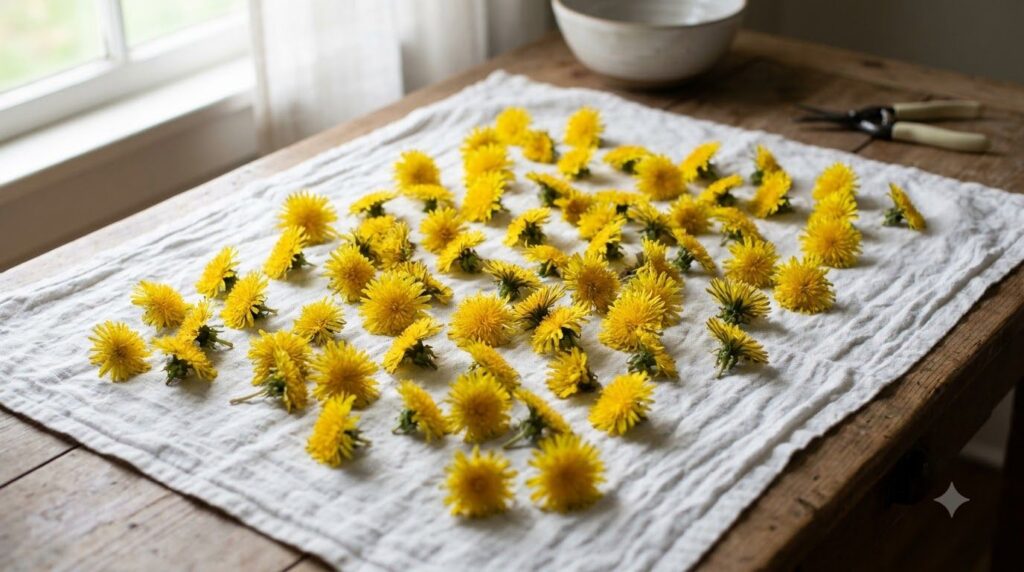
- Harvest & Wilt: Gather fresh dandelion blooms as described above. Lay them on a clean cloth or paper towel in a single layer for 24-48 hours to allow some moisture to evaporate. This crucial step prevents mold in your oil.
- Fill Jar: Loosely fill a clean, dry glass jar (e.g., a mason jar) with the wilted dandelion blooms. Don’t pack them too tightly.
- Add Oil: Pour your chosen carrier oil over the blooms, ensuring they are completely submerged. Tap the jar gently to release any air bubbles. If the blooms float, use a small, clean glass weight or piece of parchment paper to keep them under the oil.
- Infuse: Seal the jar tightly. Place it in a sunny windowsill or a warm spot for 2-4 weeks. Shake the jar gently every day or two to redistribute the blooms and oil.
- Strain: After the infusion period, strain the oil through a fine-mesh sieve lined with cheesecloth into a clean bowl. Squeeze the blooms gently to extract all the infused oil.
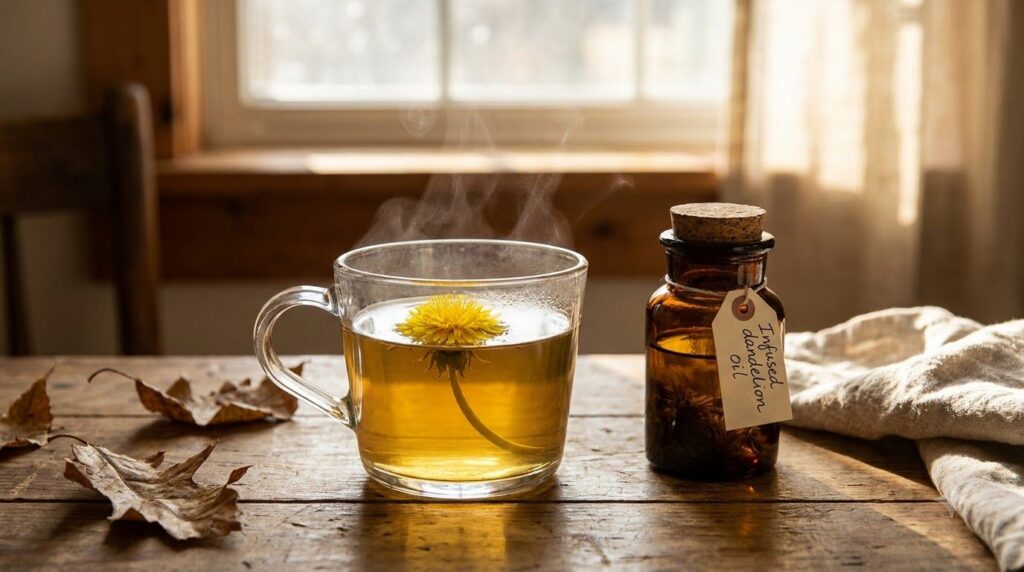
- Store: Transfer the infused oil into a clean, dark glass bottle. Label with the date.
Quick Tip: For a faster oil infusion, you can use a double boiler or slow cooker. Gently heat the oil and blooms together for 2-4 hours on very low heat (below 150°F / 65°C), ensuring the oil never boils. This is great for when you need a remedy sooner rather than later.
How to Use
- Dandelion Bloom Tea: Drink as a pleasant herbal beverage. It’s mild and can be incorporated into your daily routine.
- Dandelion Bloom Infused Oil: Apply topically to soothe minor skin irritations, dry patches, or for a gentle massage on tired muscles. It can also be used as a moisturizing body oil or added to homemade salves and lotions.
How Often to Use
- Tea: 1-2 cups daily, or as desired for general wellness.
- Infused Oil: Apply as needed to the skin. For muscle aches, a gentle massage 1-2 times a day can be beneficial.
How to Buy / How to Choose Ingredients
The best way to ensure quality dandelion blooms is to forage them yourself. Here’s how:
- Location: Choose areas away from roadsides, industrial zones, or conventionally managed lawns where pesticides, herbicides, or heavy metals might be present. Undeveloped fields, personal organic gardens, or wild areas are ideal.
- Timing: Harvest in the late morning or early afternoon when the blooms are fully open and dry from dew.
- Inspection: Look for vibrant, healthy, fully open yellow blooms. Avoid any that look wilted, damaged, or are near dying plants.
- Tools: Use clean scissors or snips to cut the entire flower head, leaving a small stem.
If foraging isn’t an option, some farmers’ markets or specialty herb shops might carry organic, culinary-grade dandelion blooms, though they are less common than leaves or roots.
Storage
- Dandelion Bloom Tea: Best consumed fresh. Any leftover tea can be refrigerated for up to 24 hours, but its potency and flavor will diminish.
- Dandelion Bloom Infused Oil: Store in a cool, dark place, ideally in an amber or dark glass bottle, to protect it from light degradation. Properly stored, it can last for 6-12 months. Watch for any signs of rancidity (off-smell) or mold.
Practical Tips
- Harvesting “Dry”: Always pick blooms when they are completely dry, preferably after several days without rain. This minimizes moisture, which can lead to mold, especially in oil infusions.
- Petal Separation: For some recipes or for a less “grassy” flavor in tea, you can carefully pluck just the yellow petals from the green base. This step is optional but can refine the final product.
- Labeling: Always label your homemade remedies with the contents and the date of preparation.
Common Mistakes
- Using Sprayed Dandelions: This is perhaps the most critical mistake. Dandelions from conventionally treated lawns contain harmful chemicals. Always ensure your source is organic and pesticide-free.
- Not Wilting Blooms for Oil: Fresh blooms contain significant water, which will introduce mold into your oil infusion. A 24-48 hour wilting period is essential for infused oils.
- Boiling Tea Too Vigorously: For delicate flowers like dandelions, a gentle steep is better than a hard boil, which can extract bitterness.
- Incomplete Submersion in Oil: Any part of the bloom exposed to air in an oil infusion can develop mold. Ensure all plant material is fully covered by oil.
- Ignoring Allergies: If you are allergic to ragweed, marigolds, chrysanthemums, or other plants in the Asteraceae family, you might be allergic to dandelions.
Cautions / Who Should Avoid It
While dandelion blooms are generally safe for most people, there are a few important considerations:
- Allergies: Individuals with allergies to plants in the daisy family (Asteraceae), such as ragweed, chrysanthemums, marigolds, and daisies, may experience an allergic reaction to dandelions.
- Diuretic Effects: Dandelions have mild diuretic properties. If you are taking diuretic medications, consult a healthcare professional.
- Gallbladder Issues: Individuals with gallbladder issues should exercise caution and consult a doctor before consuming dandelion remedies.
- Pregnancy & Breastfeeding: Limited research exists on the safety of dandelion blooms during pregnancy and breastfeeding. It’s best to avoid or consult a healthcare provider.
Quick Summary
Dandelion blooms offer versatile, gentle remedies. Here’s a quick glance:
- Best Preparation: Infusion (tea) for internal use; oil infusion for topical applications.
- Best Use-Case: Tea for general wellness and mild diuretic support; oil for soothing skin and tired muscles.
- Storage: Tea fresh for 24 hours, oil in a cool, dark place for 6-12 months.
- When to Use: As a daily wellness beverage or topical skin/muscle support.
- What to Avoid: Dandelions sprayed with pesticides, wet blooms for oil infusions, and use if allergic to related plants.
FAQ
Q: Can I use dried dandelion blooms?
A: Yes, dried blooms can be used for tea, using about half the quantity of fresh blooms. For oil, completely dried blooms are preferred to prevent mold.
Q: How long does dandelion bloom tea last?
A: It’s best consumed immediately. You can refrigerate leftovers for up to 24 hours, but freshness is key for flavor and potency.
Q: Can I freeze dandelion blooms?
A: While you can freeze blooms, their texture will change significantly, making them less ideal for tea. Freezing might be an option if you plan to extract petals for specific culinary uses later, but it’s not optimal for infusions.
Q: What part of the dandelion flower is best?
A: For these remedies, we focus on the entire yellow bloom. The green parts at the base (bracts) can add a slightly bitter taste, so some prefer to remove just the yellow petals.
Q: Can I reuse the blooms for another batch of tea?
A: No, the beneficial compounds are largely extracted in the first steep. Reusing them will result in a significantly weaker, less flavorful tea.
Q: When should I avoid picking dandelions?
A: Avoid picking after heavy rain, as the pollen might be washed away. Also, avoid areas known to be treated with chemicals.
Q: Can I mix dandelion blooms with other herbs?
A: Absolutely! Dandelion blooms have a mild flavor that pairs well with herbs like mint, lemon balm, or chamomile in teas. For infused oils, consider adding calendula or lavender for enhanced skin benefits.
You may also like: Crafting Your Own Calendula Salve for Skin Relief
Conclusion
The humble dandelion bloom, often dismissed, is a powerhouse of potential for practical home remedies. From a simple, soothing tea to a versatile infused oil, these bright yellow flowers offer accessible ways to support your wellness naturally. By following careful harvesting and preparation methods, you can transform these “weeds” into valuable additions to your natural remedy cabinet. So next time you see a field of dandelions, remember: there’s more than just a weed—there’s a remedy waiting to be discovered.
Read more: The Unexpected Benefits of Herbal Teas for Daily Wellness

