Most people eagerly await the sweet, ripe fruit of the fig tree, often overlooking the milky secret hiding within its leaves and stems. While the fruit is a culinary delight, the lesser-known milky sap, or latex, has been traditionally used for generations as a unique natural remedy, especially for stubborn skin issues. This isn’t about the fruit you eat, but the powerful, concentrated liquid that emerges when a fig leaf or stem is broken.
Ignoring this part of the fig tree means missing out on a potent, naturally occurring substance that many herbalists keep close at hand. But before you start squeezing every fig you see, understanding what fig sap is, how to use it safely, and its potential benefits is crucial. One small preparation mistake can ruin the whole batch or even cause irritation.
What Is Fig Sap?
Fig sap is the milky white latex that oozes from the leaves, stems, and unripe fruits of the fig tree (Ficus carica) when they are cut or broken. This sap contains proteolytic enzymes, primarily ficin, which are similar to papain in papaya or bromelain in pineapple. These enzymes are known for their ability to break down proteins, which is why fig sap has been traditionally employed for various skin conditions.
Its thick, sticky consistency and powerful enzyme content make it particularly interesting for localized applications. While often associated with the Mediterranean and Middle Eastern regions, the fig tree is now cultivated worldwide, bringing its unique remedies to many.
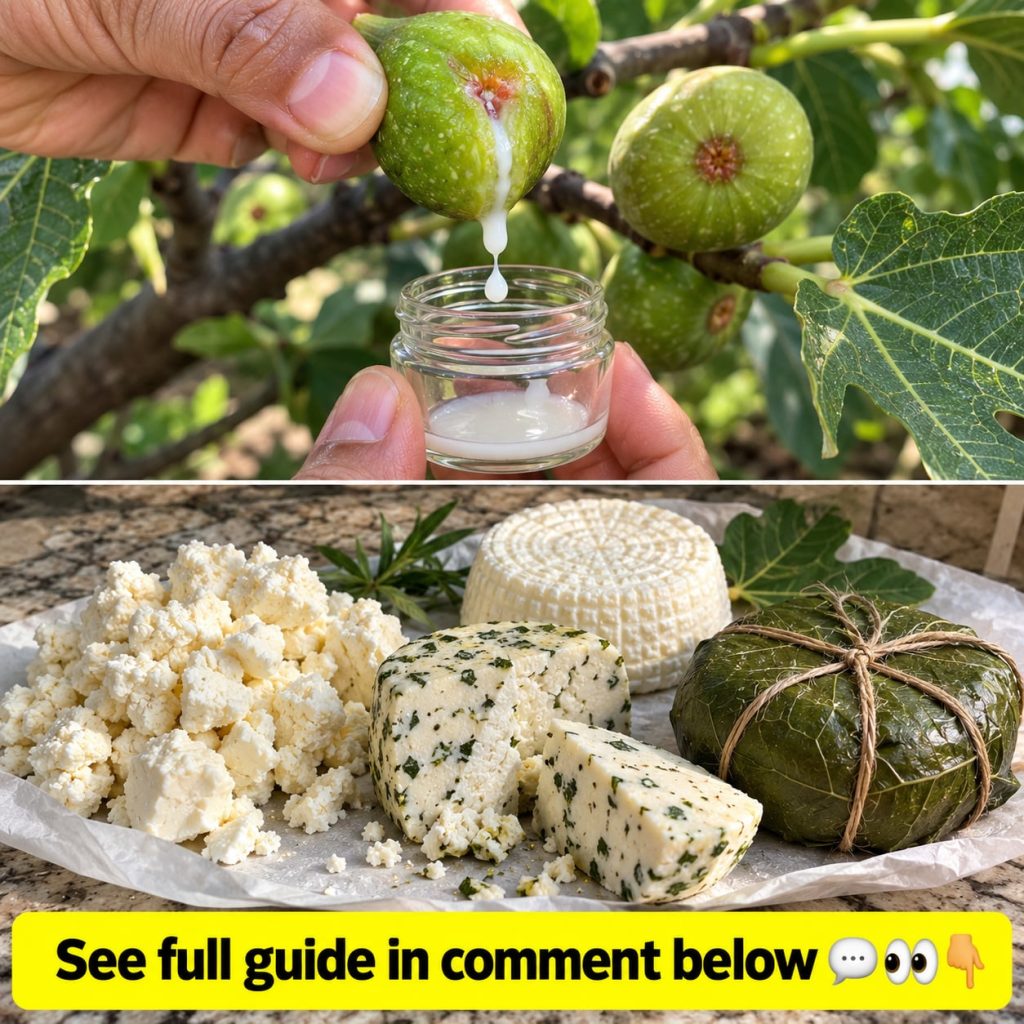 Collecting fresh fig sap directly into a jar.
Ingredients for Your Fig Sap Remedy
The beauty of this remedy lies in its simplicity. You only need one primary ingredient:
- Fresh Fig Sap: Collected directly from the leaves, stems, or unripe figs of a healthy fig tree.
For application, you’ll also need:
- Cotton Swabs or Small Gauze Pads: For precise and controlled application.
- Mild Soap and Water: For cleaning the affected area before and after use.
- Protective Gloves (Optional but Recommended): To prevent sap from irritating hands, especially for sensitive skin.
Approximate Measurements
For most applications, you will need only a very small amount of sap. We’re talking about a few drops, enough to cover the affected area thinly. Over-application is a common mistake that can lead to skin irritation.
Formula / Recipe
There isn’t a complex ‘formula’ as much as a careful collection and application method. The goal is to obtain fresh, undiluted sap for direct, targeted use.
Step-by-Step Method: Collecting and Preparing Fig Sap
Collecting fig sap requires a bit of care to ensure safety and potency.
- Identify a Healthy Fig Tree: Choose a fig tree that has not been sprayed with pesticides or herbicides. Look for vibrant green leaves and firm, healthy stems.
- Gather Your Tools: You’ll need a small, clean glass container (like a dropper bottle or a small jar) and a pair of gardening shears or a sharp knife. Wearing gloves is highly recommended.
- Select a Leaf or Stem: Choose a mature leaf near the base of the plant or a small, non-essential stem. Unripe figs can also yield sap.
- Make a Clean Cut: With your shears or knife, make a clean cut. Immediately, milky white sap will begin to ooze out.
- Collect the Sap: Position your container directly under the cut part to catch the dripping sap. You only need a few drops for one application.
- Seal and Use Immediately: Fresh sap is most potent. If not using immediately, seal the container tightly and store as directed below.
Quick Tip: Best Time to Collect Sap
The morning, after the dew has dried but before the intense heat of midday, is often the best time to collect sap. The tree is generally more hydrated, and the sap flow can be more consistent.
How to Use Fig Sap
Fig sap is primarily used for localized skin concerns, such as:
- Warts: Its proteolytic enzymes are thought to help break down the protein structure of warts.
- Minor Skin Blemishes: Some traditional uses include treating certain benign skin growths.
Application Steps:
- Clean the Area: Gently wash the affected skin area with mild soap and water. Pat dry.
- Patch Test (Crucial!): Before full application, apply a tiny drop of sap to a small, inconspicuous area of your skin (e.g., inside of your arm). Wait 24 hours to check for any adverse reactions like redness, itching, or swelling.
- Apply Sparingly: Using a cotton swab, apply a tiny amount of fresh fig sap directly onto the wart or blemish. Avoid getting it on surrounding healthy skin.
- Let it Dry: Allow the sap to air dry completely. It will form a thin film.
- Cover (Optional): For warts, you might cover the area with a small bandage to protect it and keep the sap in place.
How Often to Use
For issues like warts, fig sap is typically applied once daily. Consistency is key, but so is observing your skin’s reaction. If irritation occurs, reduce frequency or discontinue use.
Did You Know?
The enzyme ficin in fig sap is so potent that it’s sometimes used in commercial applications for tenderizing meat. This gives you an idea of its powerful protein-digesting abilities on a microscopic level.
How to Buy / How to Choose Ingredients
Since this remedy relies on fresh sap, ‘buying’ it isn’t usually an option. Instead, focus on choosing a reliable source:
- Your Own Tree: The best option is to grow your own fig tree, ensuring it’s organic and free from chemicals.
- Trusted Local Growers: If you don’t have a tree, inquire with local organic farmers or community gardens who grow figs without pesticides. Always confirm their growing practices.
- Wild Foraging (with caution): If foraging, be absolutely certain of plant identification and that the area is free from environmental pollutants.
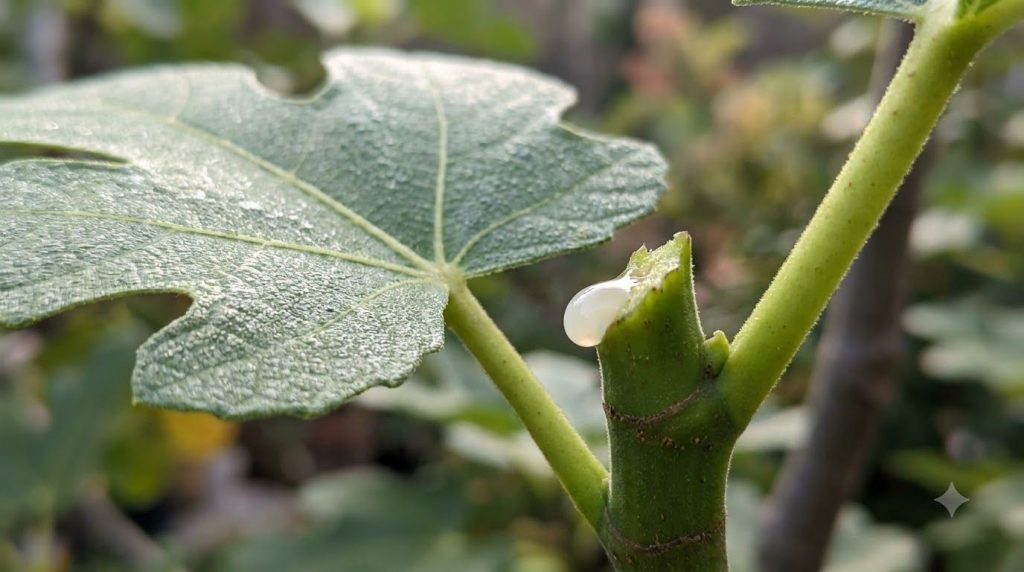 A fresh cut on a fig stem reveals the milky sap.
Storage
Fresh fig sap is most effective, but if you’ve collected a slightly larger amount, short-term storage is possible:
- Refrigeration: Store collected sap in a small, airtight, dark glass container in the refrigerator for up to 3-5 days.
- Freezing: For longer storage, you can freeze small amounts of sap in an ice cube tray (for single-use portions) or a small freezer-safe container. Thaw only the amount you need for immediate use.
Always inspect stored sap for any discoloration or foul odor before use. Discard if freshness is in doubt.
Practical Tips
- Patience is Key: Natural remedies often take time. Consistent application over several weeks may be necessary for noticeable results.
- Sun Protection: Fig sap can cause photosensitivity. If applying to exposed skin, cover the area or apply in the evening.
- Spot Treatment: This is a powerful, localized treatment. Do not apply it broadly over large areas of skin.
- Cleanliness: Always use clean hands and sterile applicators to prevent introducing bacteria.
Common Mistakes
- Skipping the Patch Test: The most critical mistake. Always test a small area first.
- Applying to Broken Skin: Never apply fig sap to open wounds, cuts, or irritated skin, as it can cause severe pain and further damage.
- Using Too Much Sap: A small amount is potent enough. Over-application can lead to chemical burns or significant irritation.
- Getting Sap in Eyes or Mucous Membranes: Fig sap is highly irritating to eyes and sensitive areas. If contact occurs, rinse immediately and thoroughly with water.
- Expecting Instant Results: This is a gradual process, not an overnight fix.
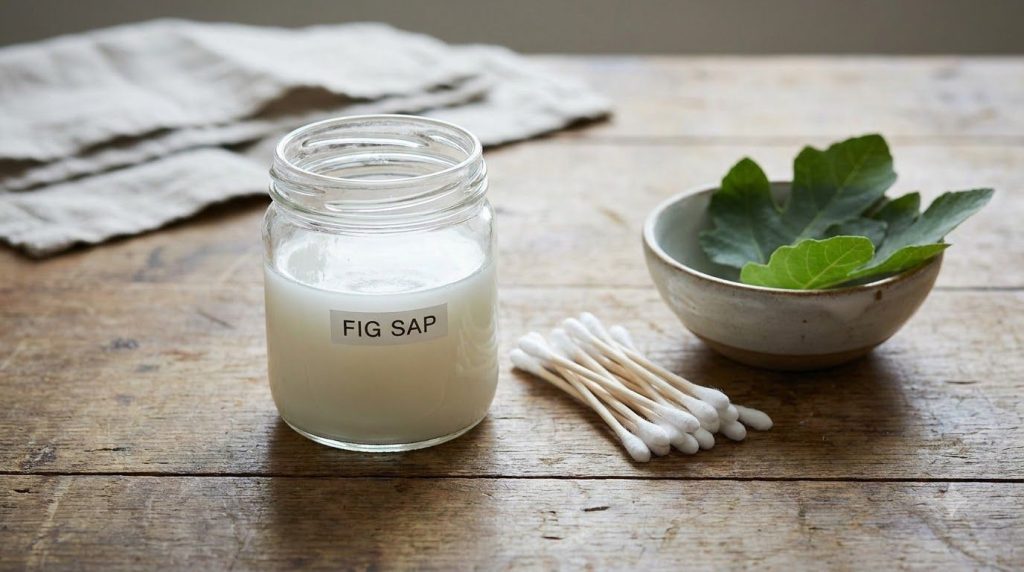 Small amounts of fig sap with cotton swabs for precise application.
Cautions / Who Should Avoid It
- Sensitive Skin: Individuals with very sensitive skin should use extreme caution or avoid it entirely.
- Allergies: If you have allergies to figs, latex, or related plants (like mulberries), avoid using fig sap.
- Pregnant or Breastfeeding Individuals: Consult a healthcare professional before use.
- Children: Use with extreme caution and under adult supervision, preferably with medical advice.
- Open Wounds or Irritated Skin: As mentioned, never apply to broken or already inflamed skin.
- Photosensitivity: Be aware that skin treated with fig sap may be more susceptible to sunburn.
Quick Summary
Fig sap offers a natural, traditional approach to managing localized skin blemishes like warts, leveraging its potent proteolytic enzymes. Collect fresh sap from healthy, unsprayed fig trees, perform a crucial patch test, and apply a tiny amount directly to the affected area once daily. Store unused sap in the refrigerator for a few days or freeze for longer. Always prioritize safety, cleanliness, and patience, avoiding contact with eyes or broken skin.
FAQ
- Can I use fig sap from any fig tree?
- It’s best to use sap from a fig tree you know is healthy and hasn’t been treated with pesticides or harsh chemicals.
- How do I know if it’s safe for my skin?
- Always perform a patch test on a small, discreet area of skin 24 hours before full application. Discontinue if any irritation occurs.
- How long does fresh fig sap stay potent?
- Fresh is always best. Refrigerated sap can remain potent for about 3-5 days, but its enzymatic activity gradually decreases.
- Can I store collected sap for a long time?
- For longer storage, freezing small portions of sap is an option. Thaw only what you need.
- What if I get fig sap in my eyes?
- Immediately flush your eyes with copious amounts of clean water for several minutes and seek medical attention if irritation persists.
- Can pregnant women use fig sap?
- Pregnant or breastfeeding individuals should consult with a healthcare professional before using any new remedies, including fig sap.
- What part of the fig tree yields the most sap?
- Unripe figs, young stems, and the base of mature leaves tend to yield the most sap.
- What if the sap causes redness or itching?
- This indicates irritation. Wash the area thoroughly with soap and water and discontinue use.
Conclusion
The fig tree offers more than just delicious fruit; its milky sap holds a remarkable natural potential for addressing common skin blemishes. By understanding how to safely collect, prepare, and apply this powerful botanical, you can tap into a time-honored remedy. Remember, nature’s gifts often require respect, patience, and careful application to reveal their full benefits. Always prioritize safety and listen to your body’s reactions for the best results on your journey to natural wellness.