Most people ignore certain vibrant red berries, leaving them untouched or only for the birds, due to their notorious astringent or bitter taste. But what if one simple trick could transform these often-overlooked gems into a delightful, naturally sweet ingredient perfect for jams, sauces, or desserts? This isn’t about complex culinary magic; it’s about leveraging nature’s own processes with a little help from your freezer. Get ready to discover the surprising secret that unlocks a world of flavor from berries you might have always written off.

What are these Berries and Why are They Bitter?
We’re talking about various wild red berries, such as chokeberries (Aronia), hawthorn berries, or certain varieties of cranberries and serviceberries, which are packed with beneficial compounds but often possess a sharp, puckering bitterness or astringency when fresh. This is typically due to high concentrations of tannins or other compounds. Historically, many cultures have used these berries in cooked forms or after natural frost to mitigate their harshness. Our simple freezer trick mimics this natural process, breaking down cell walls and converting starches into sugars, making them much more palatable.
Ingredients
- Freshly harvested (or purchased) bitter red berries
- A freezer-safe container or bag
Approximate Measurements
Start with 2-4 cups of your chosen bitter red berries. This quantity is manageable for a first-time experiment and provides enough for a small batch of jam or a dessert topping.
The Simple Formula: Freeze and Transform
The core of this remedy is a straightforward freezing process. By exposing the berries to freezing temperatures for a sustained period, you initiate cellular changes that reduce bitterness and enhance natural sweetness. It’s a method that requires patience but yields delicious results.
Step-by-Step Method
- Clean the Berries: Gently wash your fresh berries under cool running water. Remove any stems, leaves, or bruised berries.
- Dry Thoroughly: Pat the berries completely dry with a clean kitchen towel or let them air dry on a baking sheet. Excess moisture can lead to ice crystals and freezer burn.
- Single Layer Freeze (Optional but Recommended): For best results and to prevent clumping, spread the dried berries in a single layer on a baking sheet lined with parchment paper. Place the sheet in the freezer for 1-2 hours until the berries are individually frozen solid.
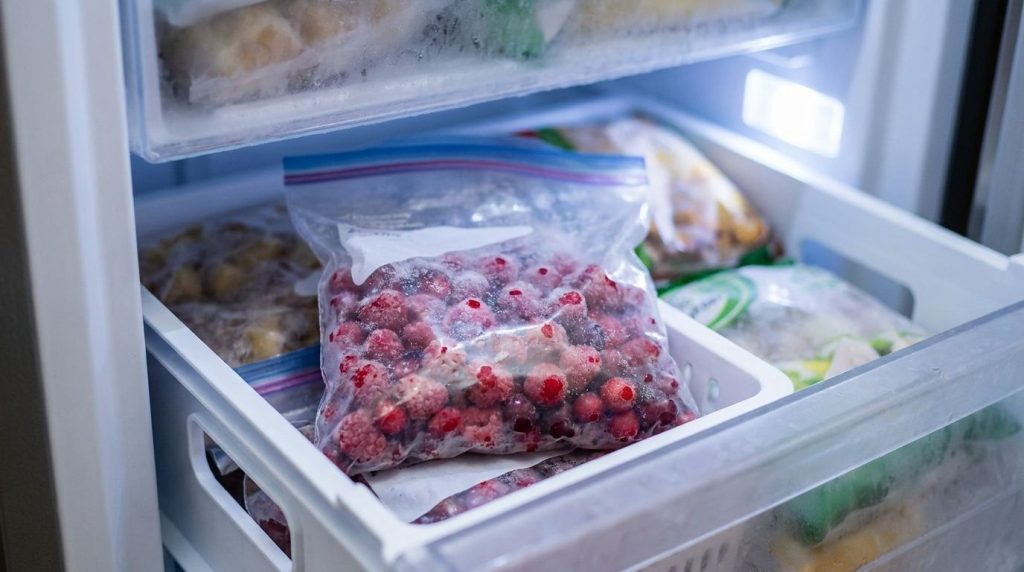
- Transfer to Storage: Once firm, transfer the pre-frozen berries into a freezer-safe bag or airtight container. Label with the date.
- The Big Chill: Return the container to the freezer for a minimum of 24 hours. For intensely bitter berries, 48-72 hours can yield even better results. This extended freezing time is crucial for the cellular transformation.
- Thaw and Enjoy: When ready to use, simply remove the desired amount of berries from the freezer and let them thaw at room temperature or in the refrigerator. They will soften considerably.
How to Use Your Sweetened Berries
Once thawed, these once-bitter berries will have a noticeably softer texture and a sweeter, more mellow flavor profile. They are now perfect for:
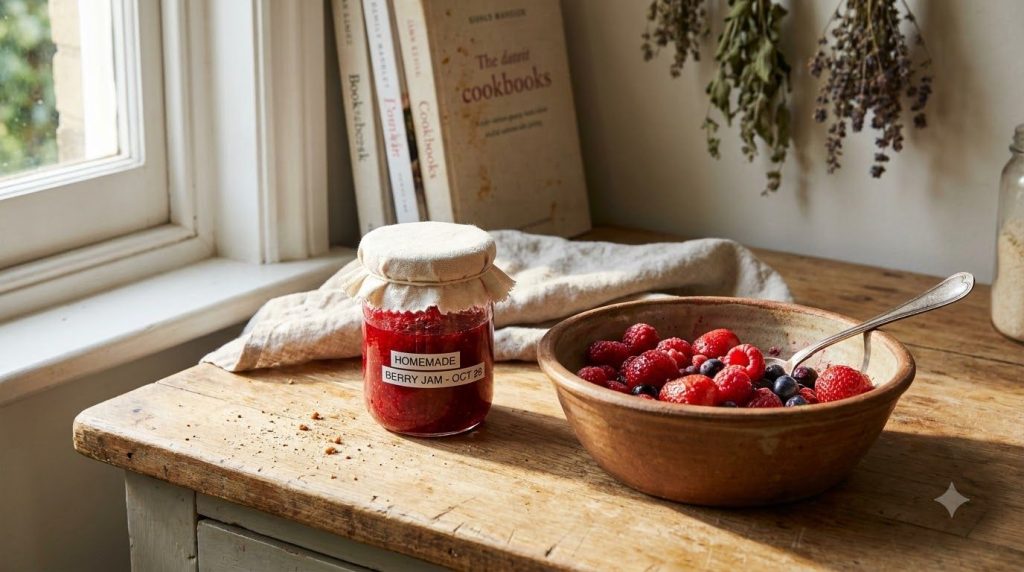
- Jams and Jellies: Their natural pectin and enhanced sweetness make them ideal.
- Sauces: Great for savory dishes (like with game meats) or sweet desserts.
- Pies and Crumbles: Combine with other fruits for a complex flavor.
- Smoothies: Add a handful for a boost of nutrients and unique taste.
- Syrups: Simmer with a little sugar and water for a delicious topping.
- Baked Goods: Muffins, tarts, and quick breads.
Quick Tip: The thawed berries will release more juice than fresh ones. Factor this into your recipes, especially for baking, or drain some liquid if not needed.
How Often to Use It
There’s no limit to how often you can enjoy these transformed berries! Use them whenever a recipe calls for berries, especially when you want a unique, slightly tart yet sweet flavor. This method is about making previously unpalatable berries a regular, enjoyable part of your diet.
How to Choose or Buy Ingredients
If foraging, ensure you can positively identify the berries. Never consume wild berries unless you are 100% certain of their identity and edibility. Look for berries that are fully ripe (deep red, not green or orange), plump, and free from mold or damage. If buying, check local farmers’ markets for seasonal wild berries, or specialty stores for chokeberries or hawthorn. Always choose organic when possible to avoid pesticide residues.
Storage
- Fresh (before freezing): Store unwashed berries in a shallow container in the refrigerator for 1-2 days.
- Frozen (after the transformation): The berries, once frozen according to the method above, can be stored in an airtight container or freezer bag for up to 6-12 months without significant loss of flavor or texture.
Did You Know? Freezing not only improves taste but can also help preserve the antioxidant content of many berries!
Practical Tips
- Test a Small Batch: If you’re new to a particular type of berry, freeze a small handful first and taste after thawing to gauge the change in flavor.
- Consider Sugar Content: While freezing enhances natural sweetness, some berries might still benefit from a touch of honey or maple syrup in recipes, especially if you prefer things very sweet.
- Blanching isn’t Necessary: Unlike some vegetables, berries do not require blanching before freezing for this method.
- Labeling is Key: Always label your frozen berries with the date to keep track of their freshness.
Common Mistakes
- Not Freezing Long Enough: A quick freeze won’t achieve the desired flavor transformation. Give it at least 24 hours, preferably more for very bitter varieties.
- Confusing Berries: The most dangerous mistake is misidentifying wild berries. Always forage with an expert or use a trusted field guide. Many red berries are toxic!
- Washing and Not Drying: Freezing wet berries leads to ice crystals and a less pleasant texture.
- Overlooking Ripeness: Unripe berries may not sweeten as effectively, as they lack the sugar precursors that freezing helps convert.
Cautions / Who Should Avoid It
While this method makes many wild berries more palatable, it’s crucial to exercise caution:
- Identification: If foraging, never eat a berry you cannot positively identify. Some red berries (like yew, baneberry, or bittersweet nightshade) are highly toxic.
- Allergies: If you have known allergies to certain fruits, introduce new wild berries cautiously.
- Pregnant/Nursing: Consult a healthcare provider before consuming wild berries, especially if you are pregnant or nursing, as some may have traditional medicinal properties that could be contraindicative.
- Medication Interactions: Certain berries can interact with medications (e.g., cranberries and blood thinners). If you are on medication, research potential interactions or consult your doctor.
Quick Summary
Don’t let bitterness deter you from enjoying certain red berries. A simple 24-72 hour freeze can transform them into a sweet, versatile ingredient. Identify correctly, clean thoroughly, dry, freeze for at least a day, then thaw and use in your favorite sweet or savory dishes. Store frozen for up to a year. Always prioritize safe identification and consult a professional if you have health concerns.
FAQ
- Can I use fresh or dried berries for this trick? This trick specifically works with fresh berries that are then frozen. Dried berries have already undergone a different preservation process and won’t benefit in the same way.
- How long do the berries need to be frozen? A minimum of 24 hours is recommended, but 48-72 hours can significantly improve the sweetness and reduce bitterness, especially for very astringent varieties.
- How long do the frozen berries last? Properly frozen berries can last in an airtight container for 6-12 months.
- Can I refreeze thawed berries? It’s not recommended to refreeze berries that have completely thawed, as it can significantly degrade their texture.
- What part of the berry is best for freezing? The entire berry is used for this process, after removing stems and leaves.
- Why does freezing make berries sweeter? Freezing breaks down the cell walls of the berries, which helps to release sugars and mellow out bitter compounds like tannins.
- Are all bitter red berries safe to eat after freezing? No. This trick only improves the taste of *edible* bitter berries. It does not render toxic berries safe. Always ensure positive identification.
- Can I use this method for store-bought cranberries? Yes, you can use this method for store-bought cranberries to reduce their tartness for specific recipes, though cranberries are often enjoyed for their tartness.
Conclusion
The next time you encounter a patch of vibrant red berries that typically make your mouth pucker, remember this simple freezer secret. A night, or a few, in the cold can turn a challenging ingredient into a delightful culinary asset, expanding your repertoire of natural remedies and delicious creations. Embrace the unexpected transformation and enjoy the sweet rewards!
You may also like: Our Guide to Preserving Foraged Herbs
Read more: Natural Sweeteners for Homemade Remedies

