Welcome back, fellow garden enthusiasts! Today, we’re diving deep into a topic that might seem simple but holds the key to a healthier, happier garden: mulching. Choosing the right mulch and applying it correctly can transform your garden, saving you time and effort while boosting plant health. But choose unwisely, and you might accidentally introduce problems. Let’s learn to mulch wisely!
What is Mulch and Why is it Important?
Simply put, mulch is a protective layer of material spread on top of the soil. It can be organic (like wood chips or straw) or inorganic (like gravel or plastic). The benefits of mulching are numerous and vital for a flourishing garden:
- Moisture Retention: Mulch acts like a blanket, reducing water evaporation from the soil. This means you’ll water less, especially during hot, dry spells.
- Weed Suppression: A good layer of mulch blocks sunlight from reaching weed seeds, significantly cutting down on weeding chores.
- Soil Health Improvement: Organic mulches break down over time, enriching the soil with nutrients, improving its structure, and feeding beneficial microorganisms.
- Temperature Regulation: Mulch insulates the soil, keeping it cooler in summer and warmer in winter, which protects plant roots from extreme temperatures.
- Erosion Control: It helps prevent soil erosion from wind and rain, particularly on slopes.
The Do’s: Recommended Mulches for a Healthy Garden
These are the champions of the mulch world, offering fantastic benefits to your plants and soil.
Organic Mulches: Nature’s Best Helpers
-
Wood Chips or Bark Mulch
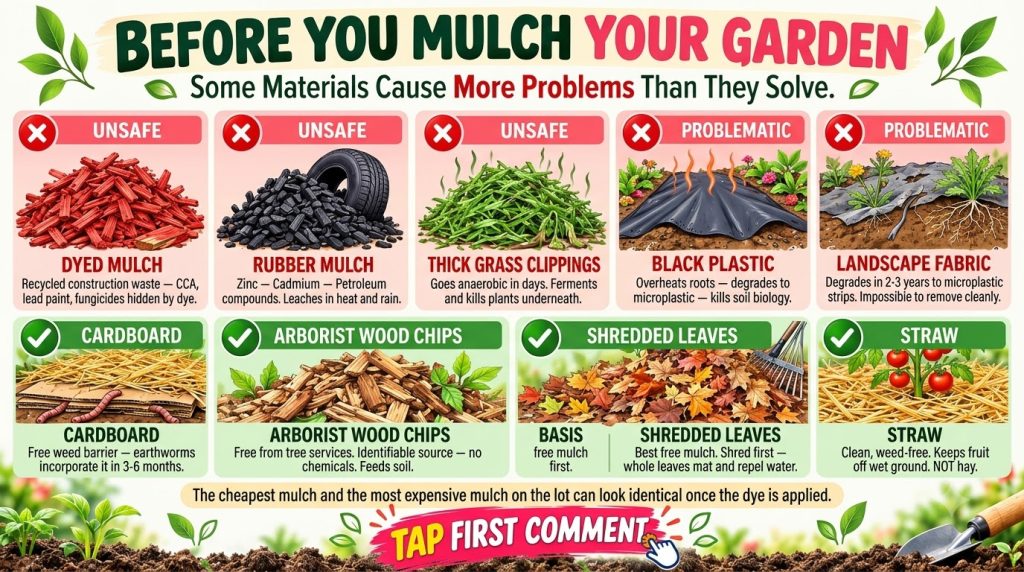
Excellent for trees, shrubs, and perennial beds. They decompose slowly, providing long-lasting weed suppression and moisture retention. As they break down, they add organic matter to the soil.
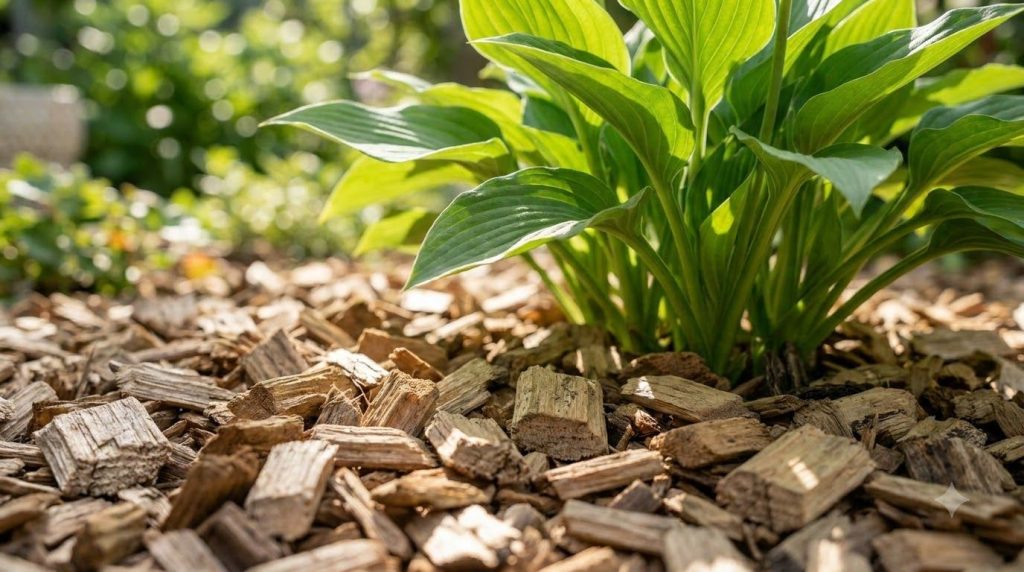
Natural wood chips are a popular and effective choice for many gardens. -
Straw
Ideal for vegetable gardens, especially around new seedlings. It’s lightweight, easy to spread, and decomposes relatively quickly, enriching the soil. Make sure to use ‘weed-free’ or ‘seedless’ straw to avoid introducing unwanted plants.
-
Composted Leaves
A fantastic, free resource! Gather fallen leaves in the autumn, compost them, and use them as a rich, nutrient-dense mulch. They improve soil structure and attract earthworms.
-
Pine Needles (Pine Straw)
Perfect for acid-loving plants like blueberries, azaleas, and rhododendrons. They break down slowly and don’t compact, allowing good air and water penetration.
-
Compost
While often mixed into soil, a layer of finished compost can also serve as a nutrient-rich mulch, especially for annuals and vegetable gardens. It’s teeming with beneficial microbes.
Inorganic Mulches: For Specific Needs
-
Rock or Gravel
Best for xeriscaping, rock gardens, or areas where you want a permanent, low-maintenance solution. They don’t decompose, so they won’t add nutrients, but they suppress weeds and retain moisture. Be mindful that they can absorb and radiate heat, which might not be suitable for all plants.
The Don’ts: Mulches to Avoid or Use with Caution
Not all mulches are created equal. Some can do more harm than good or are simply problematic for various reasons.
-
Dyed Wood Mulch
While visually appealing, many dyed mulches (especially red or black) can contain chemicals used in the dyeing process. The source wood might also be from reclaimed materials that could be treated or contaminated. It’s often better to stick to natural, undyed options for the health of your garden.
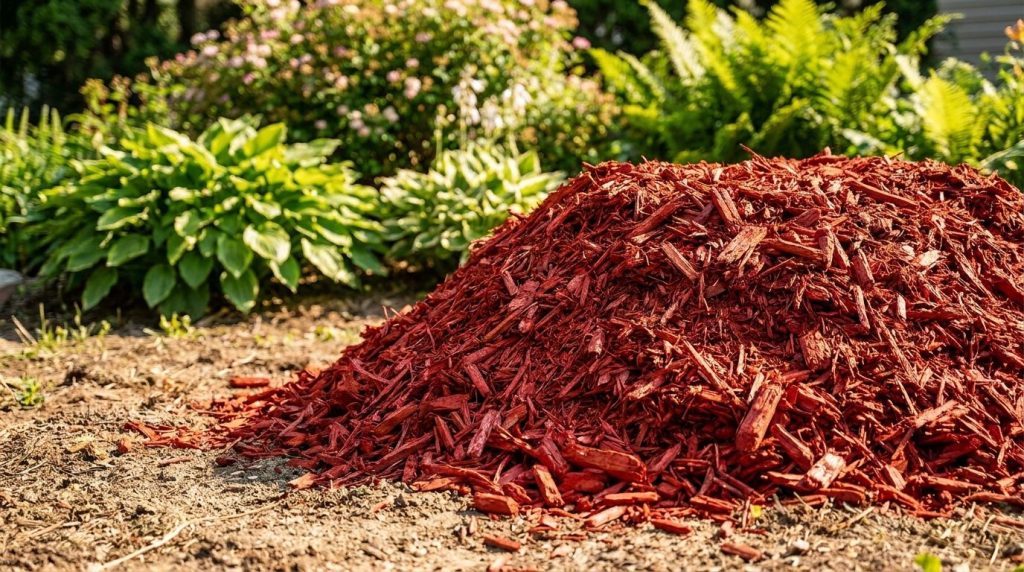
Consider avoiding brightly dyed mulches, as their origins and dyes can be questionable. -
Rubber Mulch
Made from recycled tires, rubber mulch doesn’t break down to enrich the soil. It can get extremely hot in direct sunlight, potentially harming plant roots. There are also concerns about chemicals leaching into the soil, especially from older or lower-quality products. It’s best reserved for playgrounds, not edible gardens.
-
Weed-Infested Mulch
This seems obvious, but sometimes compost or straw that hasn’t been properly treated can introduce weed seeds into your garden, undoing all your hard work. Always source your mulch from reputable suppliers.
-
Fresh Wood Chips (Not Composted)
While wood chips are great, *fresh* wood chips can temporarily deplete nitrogen from the soil as they decompose, a process called ‘nitrogen drawdown’. This can starve your plants. It’s best to use aged or composted wood chips, or only use fresh chips in areas away from actively growing plants.
-
Plastic Sheeting
Though it suppresses weeds, plastic sheeting can prevent water and air from reaching the soil, creating an unhealthy anaerobic environment. It also traps heat excessively, doesn’t improve soil structure, and can make it difficult for beneficial organisms to thrive. Over time, it breaks down into microplastics.
How to Apply Mulch Correctly
Even with the right mulch, improper application can cause problems. Follow these tips for success:
- Prepare the Area: Clear weeds and debris, and water the area thoroughly before applying mulch.
- Depth Matters: Aim for a layer of 2-4 inches for most organic mulches. Too thin, and it won’t be effective; too thick, and it can suffocate roots or create a haven for pests.
- Keep it Away from Stems and Trunks: Create a ‘doughnut’ or ‘mulch ring’ around the base of plants and trees, leaving a few inches of space. Piling mulch directly against stems and trunks (creating a ‘mulch volcano’) can lead to rot, pest infestations, and girdling roots.
- Timing: Apply mulch in spring after the soil has warmed, or in fall after the ground cools but before deep freezes.
Conclusion: Mulch Smart for a Beautiful Garden
Mulching is a cornerstone of sustainable and low-maintenance gardening. By choosing wisely and applying correctly, you provide your plants with the best environment to thrive, conserve water, and keep those pesky weeds at bay. So go ahead, give your garden the gift of good mulch and watch it flourish!
Happy gardening!