Most people recognize mullein for its tall, stately flower stalk or its soft, fuzzy leaves. Yet, the true powerhouse often remains hidden, diligently working beneath the soil. We’re talking about the common mullein root – a part of the plant that many overlook, but which holds an incredible, unseen value in traditional remedies.
Ignoring the root means missing out on some of nature’s most fascinating compounds. While the leaves and flowers have their well-known uses, the root possesses a distinct profile, making it a valuable addition to your natural wellness toolkit. Let’s dig deeper into how to harness this often-forgotten gem.
What is Common Mullein Root?
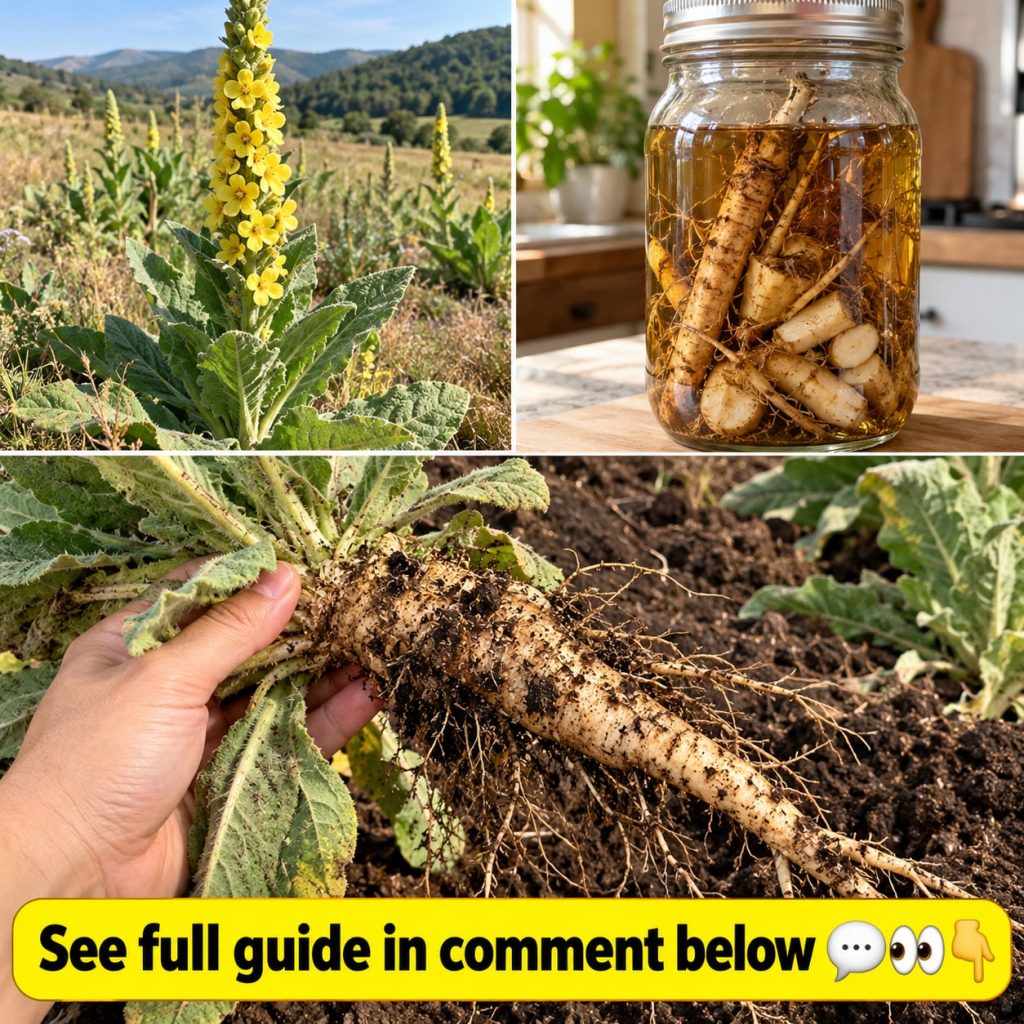
Common mullein (Verbascum thapsus) is a biennial plant, meaning it completes its life cycle over two years. In its first year, it forms a low-lying rosette of large, fuzzy leaves, and below ground, it develops a deep, tap-like root. This root is where the plant stores energy and nutrients, and it’s this dense, fibrous part that herbalists seek for its unique properties.
Unlike the leaves and flowers, which are often used for respiratory support and skin applications, the root is traditionally valued for its supportive role for joint health and general well-being. It’s not a ‘quick fix’ but rather a steady, foundational support.
Understanding the Ingredients for a Mullein Root Decoction
The most common and effective way to extract the beneficial compounds from mullein root is by preparing a decoction, essentially a strong tea made by simmering the tougher plant parts. Here’s what you’ll need:
- Dried Mullein Root: This is the star ingredient. Drying the root concentrates its compounds and prevents mold.
- Water: Filtered water is always best to avoid impurities.
That’s it! Simplicity is key when working with potent botanicals.
Approximate Measurements
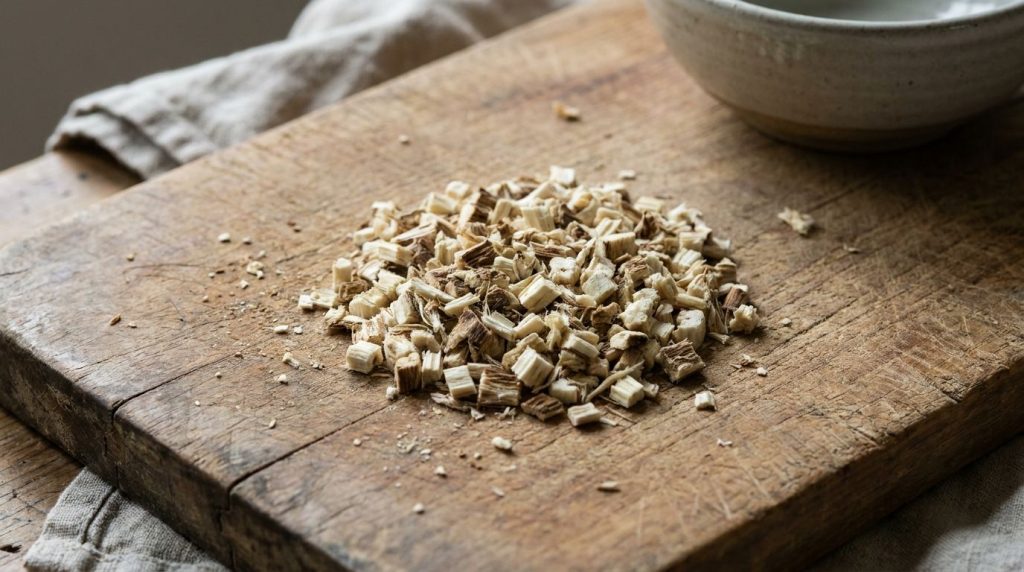
- Dried Mullein Root: 1-2 tablespoons, chopped (approximately 5-10 grams)
- Water: 2 cups (approximately 470 ml)
These measurements can be adjusted based on desired strength, but this is a good starting point for a single serving.
Formula / Recipe: Mullein Root Decoction
Crafting a mullein root decoction is straightforward, but precision in simmering time is crucial to extract the most benefits without over-reducing.
Step-by-Step Method
- Clean and Chop the Root: If using fresh root, thoroughly wash away any soil. Chop the root into small pieces, about 1/4 to 1/2 inch in length. If using dried root, ensure it’s already chopped or break it into smaller pieces.
- Combine Ingredients: Place the chopped mullein root into a small saucepan. Add 2 cups of filtered water.
- Bring to a Simmer: Bring the water to a boil, then immediately reduce the heat to low, allowing it to gently simmer.
- Decoct: Cover the saucepan and let it simmer for 20-30 minutes. This slow simmer helps to extract the deeper compounds from the root.
- Strain: Remove the saucepan from the heat. Strain the liquid through a fine-mesh sieve or cheesecloth into a mug or jar, pressing on the root pieces to extract any remaining liquid.
- Serve: Your mullein root decoction is ready. You can drink it warm or let it cool.
How to Use Your Mullein Root Decoction
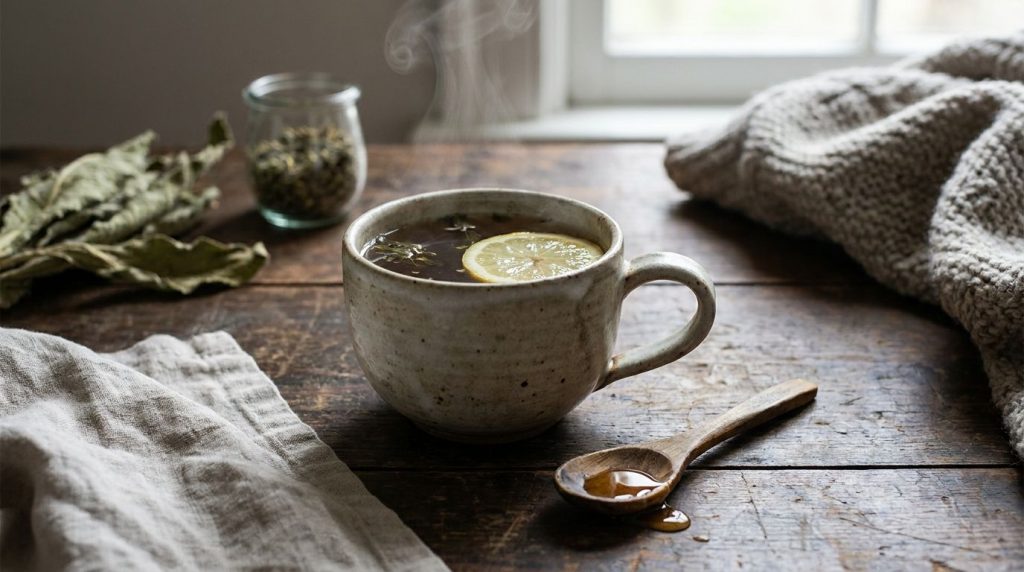
This decoction is best consumed internally. It has a mild, earthy flavor that many find palatable. You can add a touch of honey or lemon if desired, but it’s often preferred plain to appreciate its natural taste.
How Often to Use
For general wellness support, a common recommendation is to drink 1 cup of mullein root decoction once or twice a day. Consistency is more important than large, infrequent doses.
How to Buy / How to Choose Ingredients
Sourcing mullein root requires attention to quality and sustainability.
- Dried Mullein Root: Look for organic, wildcrafted, or ethically harvested dried mullein root from reputable herbal suppliers. Ensure it’s clearly labeled as ‘root’ and not just ‘mullein herb’ (which typically refers to leaves and flowers).
- Fresh Mullein Root: If harvesting yourself, identify the plant correctly and ensure it’s from an area free of pesticides, herbicides, and pollutants (like roadsides). Harvest in the plant’s first year when the root is most potent, typically in the fall or early spring.
Quick Tip: Fresh vs. Dried
While fresh root can be used, dried mullein root is often more convenient and concentrated. Drying also reduces the moisture content, improving shelf life and preventing mold.
| Feature | Fresh Mullein Root | Dried Mullein Root |
|---|---|---|
| Availability | Seasonal, requires harvesting | Year-round from suppliers |
| Potency | High, but less concentrated by weight | High, concentrated by weight |
| Preparation | Requires thorough cleaning, chopping | Often pre-chopped, ready to use |
| Storage | Short-term (refrigerated) | Long-term (cool, dark place) |
| Convenience | Low | High |
Storage
Proper storage ensures the potency and safety of your mullein root decoction:
- Decoction: Store any leftover decoction in a sealed container in the refrigerator for up to 2-3 days.
- Dried Root: Keep dried mullein root in an airtight container, away from direct sunlight, heat, and moisture. It can last for 1-2 years when stored correctly.
Practical Tips
- Consistency is Key: For best results, incorporate mullein root decoction into a consistent daily routine.
- Listen to Your Body: Start with smaller doses and observe how your body responds before increasing frequency or amount.
- Sweetener Options: If the earthy taste is too strong, try adding a little raw honey, maple syrup, or a slice of ginger during the simmer.
Common Mistakes
- Boiling too Vigorously: A hard boil can degrade some delicate compounds. A gentle simmer is crucial.
- Using Sprayed Plants: Harvesting from areas treated with pesticides or herbicides can introduce harmful chemicals into your remedy. Always source from clean environments.
- Incorrect Plant Part: Confusing mullein leaves or flowers for the root will yield different results, as their chemical compositions and traditional uses vary.
- Skipping Drying for Tinctures: If you plan to make a tincture later, ensuring the root is fully dried is essential to prevent mold and ensure proper extraction in alcohol.
Cautions / Who Should Avoid It
While mullein root is generally considered safe for most healthy adults, a few precautions are in order:
- Pregnancy and Breastfeeding: There is limited research on mullein root during pregnancy and lactation. It’s best to avoid use or consult a healthcare professional.
- Medication Interactions: If you are on any medications, particularly diuretics or blood thinners, consult your doctor before incorporating mullein root into your routine, as it may interact.
- Allergies: If you have allergies to plants in the Scrophulariaceae family, exercise caution.
Quick Summary
Mullein root offers a unique set of benefits, best accessed through a simple decoction. Simmer 1-2 tablespoons of chopped dried root in 2 cups of water for 20-30 minutes. Use once or twice daily for general wellness. Store the decoction in the fridge for up to 3 days, and dried root in a cool, dark place. Always source quality ingredients and avoid common preparation mistakes for the best results.
You may also like: The Benefits of Herbal Teas
Read more: Making Your Own Herbal Tinctures
FAQ
Q: Can I use fresh mullein root for the decoction?
A: Yes, you can use fresh mullein root. Ensure it’s thoroughly washed and chopped into small pieces before simmering.
Q: How long does mullein root decoction last?
A: The prepared decoction can be stored in the refrigerator for up to 2-3 days in a sealed container.
Q: What is the best time to harvest mullein root?
A: The first year of the plant’s growth, typically in the fall or early spring before the flower stalk appears, is ideal for harvesting the root.
Q: Can I make a mullein root tincture instead of a decoction?
A: Yes, mullein root can also be used to make a tincture, which has a longer shelf life and different extraction method. This typically involves steeping dried, chopped root in alcohol for several weeks.
Q: Does mullein root taste bitter?
A: Mullein root has a mild, earthy flavor, generally not considered bitter, especially when prepared as a decoction.
Q: Is mullein root safe for children?
A: While mullein leaf and flower are sometimes used for children, consult with a pediatrician or qualified herbalist before giving mullein root to children.
Conclusion
The common mullein root, often overlooked in favor of its more visible counterparts, offers a wealth of potential for those seeking natural support for their well-being. By understanding how to properly prepare and use a simple mullein root decoction, you can tap into this unseen power and integrate a time-honored remedy into your daily routine. Give this deep-rooted secret the attention it deserves, and observe the subtle yet significant difference it can make.