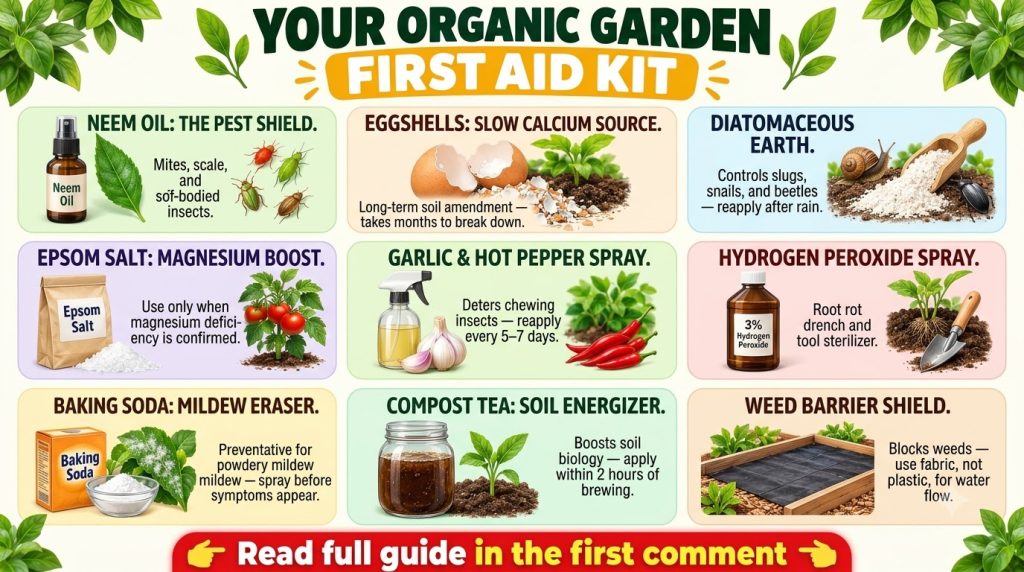
Every gardener dreams of a thriving, vibrant garden, but let’s face it – even the most seasoned green thumbs encounter unexpected challenges. From pesky insects munching on leaves to mysterious plant diseases, problems can pop up when you least expect them. But before you reach for harsh chemicals, consider building your very own Organic Garden First Aid Kit!
At Garden – L. Quyên, we believe in nurturing our plants and soil with natural, sustainable solutions. An organic first aid kit equips you with gentle yet effective remedies to tackle common garden ailments, keeping your plants healthy and happy the natural way. It’s all about working with nature, not against it!
What is an Organic Garden First Aid Kit?
Think of it as your go-to collection of eco-friendly remedies designed to address typical garden issues without harming beneficial insects, soil microbes, or the environment. Instead of synthetic chemicals, we use ingredients found in nature or even in your kitchen pantry! This approach fosters a healthier ecosystem in your garden, promoting long-term resilience and vitality.
Essential Components of Your Organic Garden First Aid Kit
Here are some must-have items and their uses to get you started:
1. Natural Pest Repellents
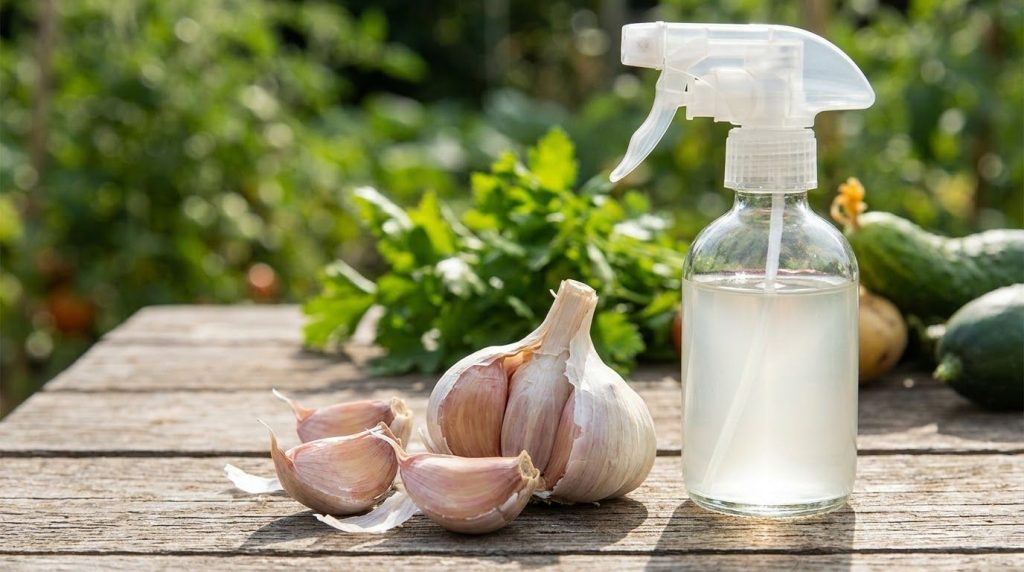
- Garlic Spray: A potent deterrent for many common garden pests like aphids, slugs, and even deer. To make it, blend a few cloves of garlic with water, let it steep, strain, and then dilute before spraying on affected plants.
- Neem Oil: Derived from the neem tree, this oil is a powerful organic pesticide and fungicide. It disrupts the life cycle of many pests and can help manage powdery mildew and black spot. Always dilute according to package directions and apply during cooler parts of the day.
- Insecticidal Soap: A simple mixture of mild soap and water can effectively suffocate soft-bodied insects like aphids, spider mites, and whiteflies. Use pure castile soap and avoid detergents that can harm plants.
2. Soil Boosters & Plant Health Aids
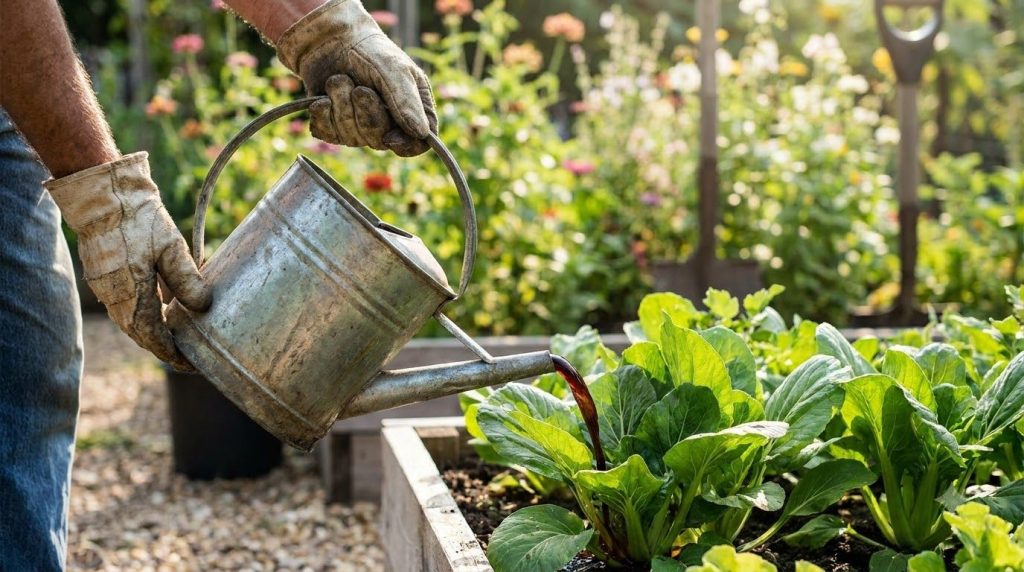
- Compost Tea: This liquid gold is made by steeping compost in water, creating a nutrient-rich brew that acts as a fantastic fertilizer and a natural disease preventative. It boosts soil health and gives your plants a gentle feed.
- Eggshells: Don’t toss them! Crushed eggshells are an excellent source of calcium, which can prevent blossom end rot in tomatoes and peppers. They also deter slugs and snails when sprinkled around the base of plants.
- Epsom Salt: Rich in magnesium and sulfur, Epsom salt can give magnesium-deficient plants a quick boost, leading to greener leaves and more vigorous growth. Dissolve a tablespoon in a gallon of water and apply as a foliar spray or soil drench.
3. Disease Prevention & Treatment
- Baking Soda Spray: A simple solution of baking soda, water, and a touch of horticultural oil or mild soap can help control fungal diseases like powdery mildew. Spray on affected leaves, ensuring good coverage.
- Beneficial Microbes: Consider adding products containing beneficial fungi and bacteria to your soil. These can help plants absorb nutrients more efficiently and build resistance to pathogens.
4. Weed Management (Natural Ways)
- Mulch: While not a direct ‘first aid’ treatment for existing weeds, a good layer of organic mulch (like straw, wood chips, or shredded leaves) is the best preventative measure. It suppresses weed growth, retains soil moisture, and adds nutrients as it breaks down.
- Hand Tools: Sometimes the simplest solutions are the best! Keep a good hand trowel or a weeding fork handy for pulling out stubborn weeds by hand, especially when they are young.
How to Use Your Organic First Aid Kit Effectively
- Identify the Problem: Before applying any remedy, observe your plants closely to understand what issue you’re facing. Is it a pest, a disease, or a nutrient deficiency?
- Start Small: When trying a new remedy, test it on a small section of the plant first to ensure there’s no adverse reaction.
- Timing is Key: Apply sprays in the early morning or late evening to avoid scorching leaves in direct sun and to minimize harm to beneficial pollinators.
- Consistency: Natural remedies often require consistent application to be most effective. Don’t give up after one try!
- Prevention is Best: A healthy garden is the best defense. Focus on good soil health, proper watering, adequate sunlight, and choosing appropriate plants for your climate to minimize problems in the first place.
By stocking your garden shed with these natural solutions, you’ll be well-prepared to tackle common garden woes the organic way. You’ll not only protect your plants but also contribute to a healthier, more vibrant ecosystem right in your backyard. Happy gardening!