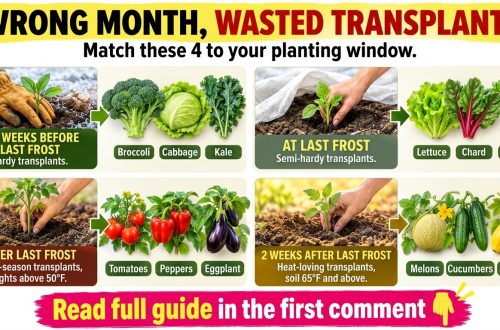
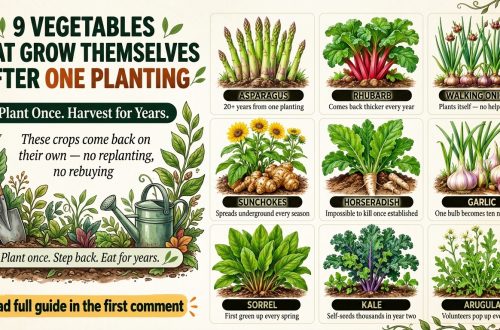
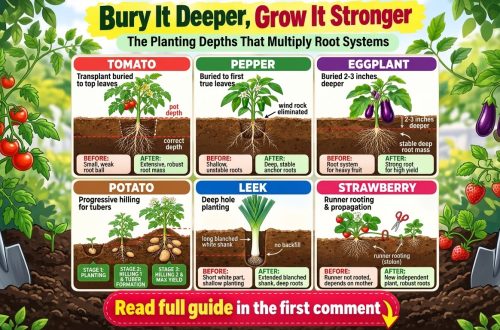
Unlock Your Garden’s Full Potential: Matching Plants to Perfect Soil Types
Every gardener dreams of a bountiful harvest, vibrant flowers, and thriving plants. But what if we told you that the secret to achieving your garden goals often lies beneath your feet? That’s right – soil is the foundation of a healthy garden, and understanding its different types is key to unlocking your garden’s full potential.
Just like people have different needs, plants do too! A plant that thrives in sandy soil might struggle in heavy clay, and vice versa. By matching your plants to the right soil type, you’re giving them the best possible start, leading to stronger growth, fewer pest problems, and, ultimately, a more rewarding gardening experience.
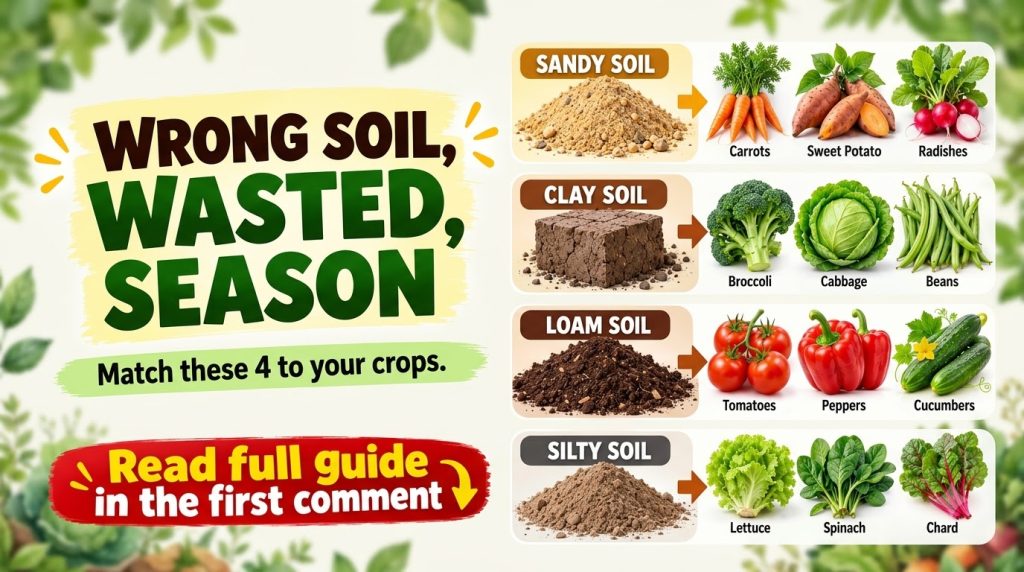
The Four Main Soil Types and What Grows Best in Them
1. Sandy Soil
Sandy soil is characterized by its large, gritty particles. It feels loose and drains water very quickly, which can be both a blessing and a curse. While excellent drainage prevents root rot, it also means sandy soil struggles to retain nutrients and moisture.
- Characteristics: Gritty, drains fast, warms up quickly in spring.
- Challenges: Low nutrient retention, dries out quickly.
- What Grows Well: Root vegetables love sandy soil because their roots can easily push through it. Think carrots, potatoes, radishes, and onions. Strawberries and many herbs also do well.
2. Clay Soil
Clay soil is the opposite of sandy soil, composed of very fine, densely packed particles. It feels sticky when wet and hard when dry. Clay soil is rich in nutrients but has poor drainage and can become waterlogged easily.
- Characteristics: Heavy, sticky when wet, holds water well, rich in nutrients.
- Challenges: Poor drainage, compacts easily, slow to warm in spring.
- What Grows Well: Many robust plants that appreciate consistent moisture and nutrients thrive here. Broccoli, cabbage, beans, lettuce, and many fruit trees are good choices.
3. Loamy Soil
Often considered the ‘gold standard’ for gardening, loamy soil is a balanced mix of sand, silt, and clay. It offers the best of all worlds: good drainage, excellent nutrient retention, and a crumbly, easy-to-work texture.
- Characteristics: Crumbly, rich, good drainage, excellent moisture and nutrient retention.
- Challenges: Few, but can vary depending on the exact composition.
- What Grows Well: Almost everything! This is the ideal soil for most vegetables like tomatoes, peppers, corn, and leafy greens, as well as flowers and shrubs.
4. Silty Soil
Silty soil consists of medium-sized particles that are finer than sand but coarser than clay. It feels smooth and somewhat soapy or powdery. Silty soil generally retains moisture and nutrients well, but can become compacted if not managed properly.
- Characteristics: Smooth, retains moisture and nutrients, moderately well-drained.
- Challenges: Can compact, prone to erosion when dry.
- What Grows Well: Plants that like consistent moisture and good nutrient availability will flourish. Pumpkins, squash, broccoli, and many types of flowers and grasses thrive in silty conditions.
How to Improve Your Garden Soil
Don’t despair if your soil isn’t perfect! Most soils can be improved with regular amendments. The key ingredient for almost all soil types is organic matter.
- For Sandy Soil: Add plenty of compost, well-rotted manure, or peat moss to improve water and nutrient retention.
- For Clay Soil: Incorporate organic matter like compost, gypsum, or shredded leaves. This helps break up the dense structure and improve drainage.
- For Silty Soil: Regular additions of compost will enhance structure, improve aeration, and prevent compaction.
- For Loamy Soil: Continue to add compost annually to maintain its excellent structure and fertility.
Simple Ways to Test Your Soil
Before you start amending, it’s helpful to know what you’re working with. Here are a couple of easy home tests:
- The Squeeze Test: Grab a handful of slightly damp soil. If it crumbles easily, it’s likely sandy. If it forms a ball and stays together, it might be loam or silty. If it forms a tight, sticky ball and doesn’t break apart, you probably have clay soil.
- The Jar Test: Place a cup of soil in a clear jar, fill it with water, and shake well. Let it settle for 24 hours. The layers will reveal your soil composition: sand settles first (bottom), then silt, then clay (top). Organic matter often floats.
Cultivate Success from the Ground Up!
Understanding and nurturing your garden’s soil is one of the most fundamental steps toward a truly successful and vibrant garden. By taking the time to learn about your soil type and making thoughtful choices about what you plant, you’re not just growing plants – you’re cultivating a thriving ecosystem right in your backyard. Happy gardening!