Welcome, fellow garden lovers! Have you ever wondered how to give your trees the best care so they can flourish and yield bountiful harvests? The secret often lies in a technique that many find intimidating: pruning. But fear not! Pruning isn’t just about cutting branches; it’s an art and a science that, when done correctly, can transform your garden. Today, we’re going to unlock the secrets of perfect tree pruning, turning you into a confident tree caretaker!
Why Pruning Matters for Your Trees
Pruning is essential for several reasons, extending far beyond just aesthetics. It’s about ensuring the health, safety, and productivity of your trees. Here’s why it’s so important:
- Promotes Healthy Growth: By removing dead, diseased, or damaged branches, you prevent the spread of pests and diseases, allowing the tree to direct its energy towards healthy growth.
- Enhances Fruit and Flower Production: Strategic pruning can improve air circulation and sunlight penetration, leading to more vigorous flowering and fruiting.
- Maintains Tree Structure and Safety: Pruning helps shape the tree, preventing weak branches from becoming hazards during storms and improving the overall structural integrity.
- Rejuvenates Older Trees: For older, less productive trees, renewal pruning can stimulate new growth and bring back vitality.
The Golden Rules of Pruning: Right Cut vs. Wrong Cut
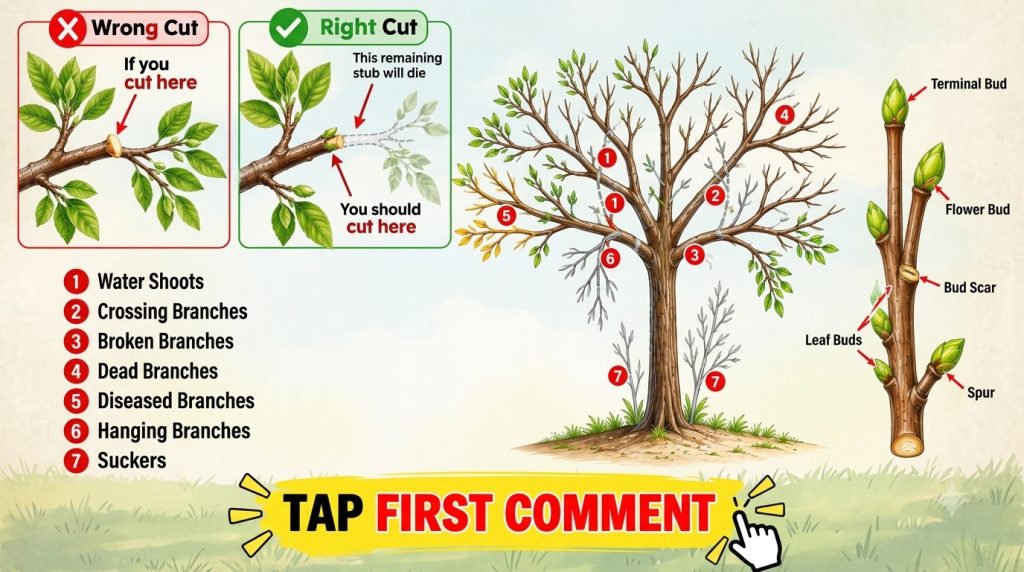
The difference between a ‘right cut’ and a ‘wrong cut’ can significantly impact your tree’s health. The goal is always to make clean cuts that minimize damage and allow the tree to heal quickly.
Making the Right Cuts:
- Cut Outside the Branch Collar: The branch collar is the swollen area at the base of a branch where it joins the trunk or a larger limb. Cutting just outside this collar allows the tree to form a callus and heal properly.
- Use Sharp, Clean Tools: A clean cut from sharp tools prevents tearing and reduces the risk of introducing diseases. Always sterilize your tools between trees, especially if you suspect disease.
- Angle Your Cuts: When cutting smaller branches or twigs, make a slanting cut about 1/4 inch above a bud that faces outwards. This encourages new growth away from the center of the tree.
Avoiding Wrong Cuts:
- Don’t Leave Stubs: Cutting too far from the branch collar leaves a ‘stub’ that can’t heal properly and becomes an entry point for pests and diseases.
- Don’t Cut into the Branch Collar: Cutting too close to or into the branch collar damages the main trunk, making it difficult for the tree to compartmentalize the wound.
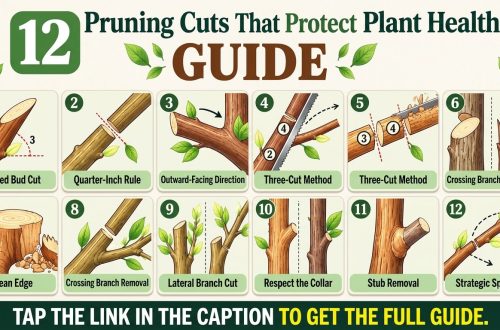
- Avoid Tearing Bark: When removing larger branches, use the ‘three-cut method’ to prevent the branch from tearing bark down the trunk as it falls.
Identifying What to Prune: A Gardener’s Checklist
Knowing what to remove is half the battle. Here are the types of branches you should prioritize:
- Dead Wood: Branches that are brittle, discolored, or lack leaves. These are prime breeding grounds for pests and diseases.
- Diseased Branches: Look for cankers, fungal growths, or unusual spots. Remove them immediately to prevent spread.
- Damaged Branches: Branches broken by wind, snow, or other impacts.
- Crossing or Rubbing Branches: Branches that rub against each other can create wounds, leading to disease entry points. Remove the weaker or less ideally placed one.
- Suckers: These are vigorous shoots that grow from the base of the tree or from the root system. They divert energy from the main tree.
- Water Sprouts (Water Shoots): Fast-growing, vertical shoots that appear on branches, often after heavy pruning. They are generally unproductive and can be removed.
- Weak or Narrow Crotches: Branches that form a tight ‘V’ shape with the trunk are prone to splitting. Consider removing one to create a stronger structure.
Understanding Buds: Your Tree’s Future Growth
Buds are tiny packages of future growth, and knowing where they are can guide your pruning. When you make a cut above an outward-facing bud, you’re essentially telling the tree to grow in that direction, away from the tree’s center, which improves air circulation and light exposure. Different types of buds might indicate flowers or leaves, and understanding them helps in achieving your pruning goals, whether it’s more fruit or denser foliage.
Essential Tools and Timing
- Tools: For smaller branches, hand pruners (secateurs) are perfect. Loppers are great for branches up to 1.5-2 inches thick, and a pruning saw is necessary for larger limbs. Always keep them clean and sharp!
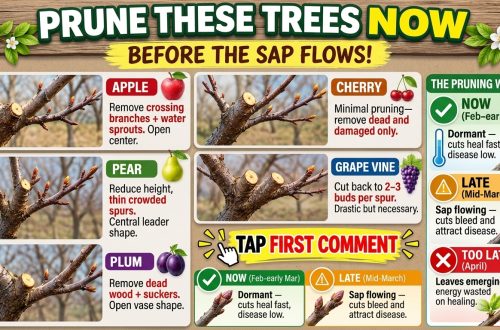
- Timing: The best time to prune most deciduous trees is during their dormant season (late winter or early spring) before new growth begins. This allows you to see the tree’s structure clearly and minimizes stress. However, dead or diseased branches can and should be removed any time of year. For specific fruiting trees, timing can vary, so always do a quick check for your particular tree species!
Embrace the Art of Pruning!
Pruning might seem daunting at first, but with a little knowledge and practice, you’ll soon develop a keen eye for what your trees need. Remember, every cut is an opportunity to guide your tree towards healthier growth and more abundant yields. So grab your pruners, step into your garden, and start transforming your trees!
Do you have any favorite pruning tips or success stories? Share them with us in the comments below!