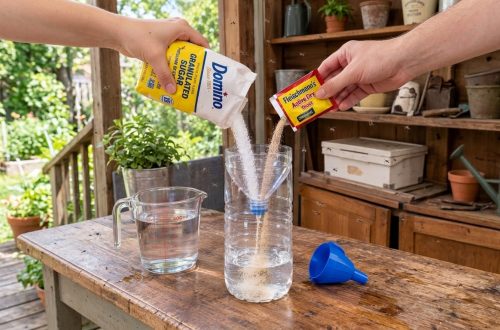
Tired of those tiny, annoying fruit flies buzzing around your kitchen, especially near your fresh produce or compost bin? They seem to appear out of nowhere, multiplying rapidly and making your home feel less than pristine. While there are many commercial solutions, some can be costly or contain harsh chemicals. But what if we told you that the secret to a fruit fly-free home might already be in your pantry?
Get ready to reclaim your kitchen with an incredibly simple, eco-friendly, and budget-friendly DIY insect trap using just three common ingredients: sugar, active dry yeast, and water. This hack is a game-changer for a peaceful, pest-free home!
The Problem: Pesky Fruit Flies
Fruit flies (Drosophila melanogaster) are not just a nuisance; they can also be carriers of bacteria. They’re particularly attracted to ripened, fermenting fruits and vegetables, as well as spills of sugary liquids like soda or wine. Once they find a food source, they lay eggs, leading to a rapid infestation that can be tough to control.
The Simple Solution: A DIY Trap You Can Make Today
Our solution leverages the fruit fly’s natural attraction to fermentation. By combining sugar, yeast, and water, we create a potent lure that’s irresistible to these tiny invaders, trapping them effectively without sprays or harsh chemicals.
Why This Trap Works: The Science Behind the Sweetness
Understanding why this simple concoction is so effective will give you confidence in its power:
- Sugar: This provides the primary food source for the yeast. More importantly, it’s a sweet attractant for fruit flies themselves, luring them closer to the trap.
- Active Dry Yeast: When activated by warm water and fed by sugar, yeast begins to ferment. This process produces carbon dioxide (CO2) and alcohol. Fruit flies are incredibly attracted to CO2, which signals fermenting fruit and a potential food source. The alcohol produced also contributes to the attraction and acts as a drowning agent.
- Water: The water serves as the medium for the yeast to activate and ferment, creating the liquid environment where the magic happens. It also forms the base of the trap where the fruit flies will drown once attracted and caught.
Together, these ingredients create a potent, irresistible beacon for fruit flies, drawing them into the trap from which they can’t escape.
What You’ll Need
Ingredients:
- 1/2 cup warm water (not hot, or it will kill the yeast)
- 1 tablespoon granulated sugar
- 1/2 teaspoon active dry yeast
Tools & Container:
- An empty plastic bottle (e.g., a soda bottle or water bottle)
- Measuring spoons
- Small bowl or jar for mixing
- Scissors or a utility knife (for cutting the bottle, if needed)
Step-by-Step: Crafting Your Fruit Fly Trap
Follow these easy steps to assemble your homemade fruit fly trap:
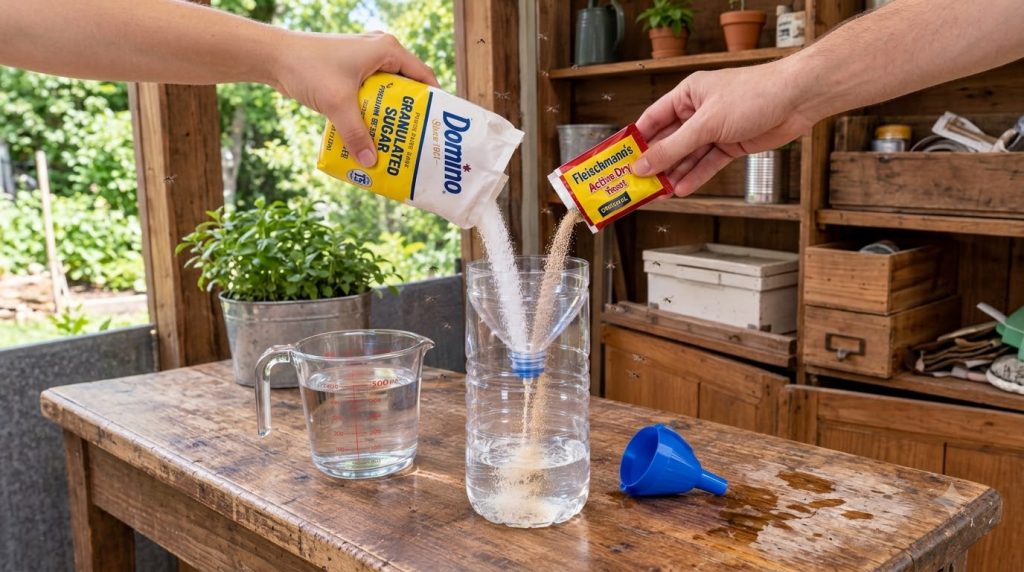
- Prepare the Lure: In a small bowl or jar, combine the 1/2 cup warm water, 1 tablespoon granulated sugar, and 1/2 teaspoon active dry yeast. Stir gently until the sugar and yeast are mostly dissolved. Allow it to sit for about 5-10 minutes; you should see some bubbling, indicating the yeast is active.
- Prepare the Bottle: Take your empty plastic bottle. Carefully cut off the top third of the bottle, just below where the neck starts to widen. Be careful when handling sharp objects.
- Assemble the Trap: Pour the yeast mixture into the bottom portion of the cut bottle.
- Create the Funnel: Invert the top third of the bottle you cut off and place it upside down into the bottom portion, like a funnel. The bottle’s neck should point downwards into the liquid, but not touch the bottom. This creates a small opening for fruit flies to enter but makes it difficult for them to find their way back out.
- Seal (Optional): For a more secure trap, you can use tape around the edge where the inverted top meets the bottom section, ensuring no gaps for flies to escape.
- Placement: Place your DIY fruit fly trap in areas where you’ve noticed the most fruit fly activity – usually near fruit bowls, sinks, trash cans, or compost bins.
Tips for Best Results
- Placement is Key: Position the trap close to the source of the fruit flies.
- Refresh Regularly: The yeast will eventually exhaust its food source or the alcohol concentration will become too high. For maximum effectiveness, refresh your trap every 3-5 days by discarding the old mixture, cleaning the bottle, and making a new batch.
- Cleanliness: While the trap works wonders, maintaining general kitchen cleanliness will help prevent future infestations. Store ripe fruit in the refrigerator, wipe up spills promptly, and empty trash cans frequently.
- Experiment with Attractants: If you find the yeast mixture isn’t attracting enough flies, you can add a drop of dish soap to the mixture. This breaks the surface tension of the water, making it harder for flies to simply land and escape. A splash of apple cider vinegar can also enhance the lure.
Safety Notes and Best Practices
- Handle Sharps Carefully: When cutting the plastic bottle, always exercise caution to avoid injury.
- Keep Out of Reach: While the ingredients are generally safe, keep the trap out of reach of small children and pets to prevent accidental ingestion or spills.
- Dispose Responsibly: When refreshing the trap, dispose of the contents and the trapped insects responsibly.
Say goodbye to those frustrating fruit flies with this simple, effective, and environmentally friendly DIY trap. It’s a testament to how everyday ingredients can solve common household problems, helping you maintain a cleaner, more enjoyable home environment. Give it a try and enjoy your peaceful, fly-free space!