Welcome, fellow garden enthusiasts! Are you dreaming of a bountiful harvest of juicy, sweet fruits right from your backyard? The secret to achieving healthier, more productive fruit plants often lies in one crucial, yet sometimes intimidating, task: pruning. Far from being just a chore, pruning is an art and a science that can transform your fruit garden, encouraging vigorous growth, improving fruit quality, and ensuring the long-term health of your plants.
Many gardeners hesitate when it comes to pruning, fearing they might harm their precious plants. But with the right knowledge and a bit of confidence, you’ll soon discover that strategic pruning is your plant’s best friend. It’s about more than just snipping branches; it’s about shaping your plants for optimal sunlight exposure, air circulation, and disease prevention, ultimately leading to a more rewarding harvest.
Why Pruning is Essential for Your Fruit Garden
Pruning plays several vital roles in the life cycle and productivity of your fruit plants:
- Improved Fruit Production: By removing old or unproductive wood, you redirect the plant’s energy to developing new, vigorous branches that will bear more fruit.
- Enhanced Fruit Quality: Pruning improves sunlight penetration and air circulation throughout the plant canopy. This leads to better-ripened fruit with improved flavor and fewer disease issues.
- Plant Health and Vigor: Removing dead, diseased, or damaged branches prevents the spread of pathogens and pests, keeping your plant strong and healthy.
- Shape and Size Management: Pruning allows you to maintain a manageable size and shape for your plants, making harvesting easier and integrating them better into your garden design.
- Renewal: For many fruiting plants, especially berries, regular pruning encourages new growth from the base, ensuring a continuous cycle of productive canes or branches.
Getting Started: General Pruning Principles
Before you make your first cut, here are a few universal tips for pruning any fruit plant:
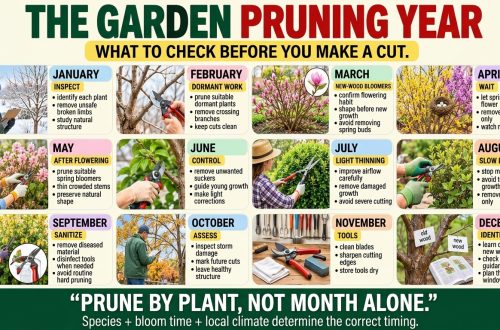
- Timing is Key: Most dormant pruning (heavy pruning) is done in late winter or early spring before new growth begins. Summer pruning is typically lighter and used for shaping or controlling vigor.
- Use Sharp, Clean Tools: Sharp pruners, loppers, and saws make clean cuts that heal quickly, reducing the risk of disease. Always sterilize your tools with rubbing alcohol or a bleach solution between plants, especially if you suspect disease.
- Understand Your Plant’s Growth Habit: Knowing whether your plant fruits on old wood, new wood, or a combination will guide your pruning strategy.
- Make Smart Cuts: Cut just above an outward-facing bud or a branch collar (the slightly swollen area where a branch meets the trunk or a larger branch). Avoid leaving stubs.
Essential Pruning Guide for Healthier and More Productive Blueberries
Blueberries are a fan favorite, known for their delicious and antioxidant-rich berries. Proper pruning is absolutely crucial for maintaining their health and ensuring a consistent, heavy yield year after year. Without regular pruning, blueberry bushes can become overgrown, producing smaller, less flavorful fruit and eventually declining in productivity.
When to Prune Blueberries
The best time to prune blueberries is in late winter or early spring, while the plant is dormant and before new growth begins. This allows you to clearly see the plant’s structure and identify old, unproductive canes.
What to Remove: The 3 D’s and Beyond
- Dead, Damaged, or Diseased Canes: Start by removing any canes that are clearly dead, broken, or showing signs of disease. Cut these back to the ground.
- Weak, Spindly Growth: Remove any very thin or weak canes that are unlikely to produce well.
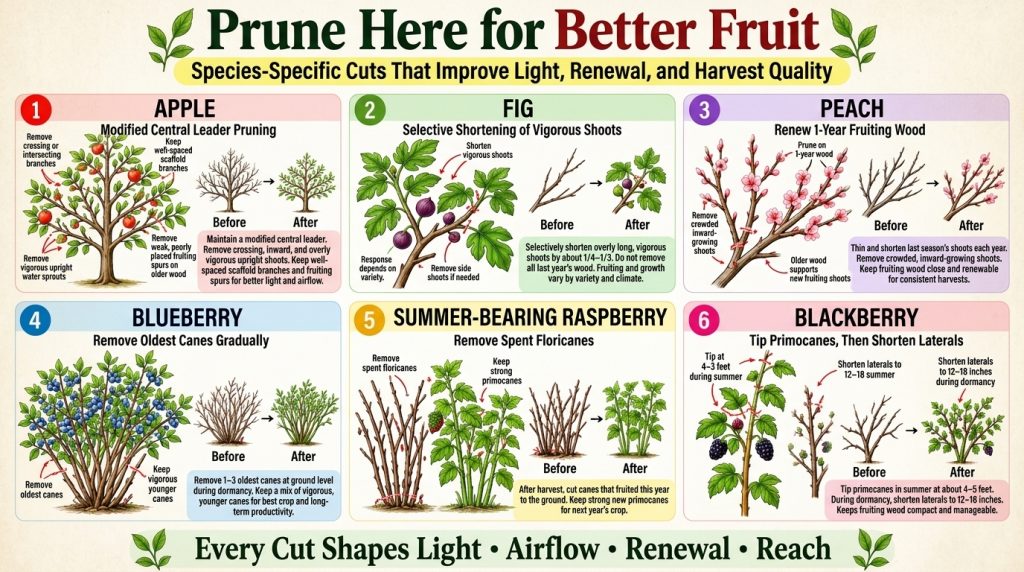
- Low-Producing Older Canes: Blueberries are most productive on canes that are 2 to 6 years old. Canes older than this tend to produce less and smaller fruit. Identify and remove the oldest, thickest, least productive canes right down to the ground. Aim to remove about 20-30% of the oldest canes each year, ensuring a continuous supply of younger, productive wood.
- Crossing or Rubbing Branches: Remove any branches that are rubbing against each other, as this can create wounds and entry points for disease.
- Canes that Grow Inward: Encourage an open, vase-like shape to improve air circulation and sunlight penetration. Remove canes that are growing towards the center of the bush.
The Goal of Blueberry Pruning
Your goal is to maintain a bush with 6-8 vigorous, healthy canes of varying ages (1 to 6 years old). By annually removing the oldest canes and encouraging new ones, you ensure continuous renewal and optimal fruit production. Don’t be afraid to be assertive; a well-pruned blueberry bush will reward you with an abundance of delicious berries!
Pruning Other Common Fruit Plants
While blueberries are a special case, the principles of removing the 3 D’s (Dead, Damaged, Diseased) and promoting good airflow apply to nearly all fruit plants. Here’s a quick overview of what to consider for some other popular fruits:
Apples and Peaches
These trees often benefit from a central leader or open vase system. Prune to establish strong scaffold branches, remove water sprouts, suckers, and crossing branches, and ensure sunlight reaches all parts of the canopy. For peaches, vigorous thinning of fruit wood is often needed to manage crop load.
Figs
Fig trees can be pruned for shape and size control. They fruit on new wood, so dormant pruning can encourage this. Remove dead, damaged, or weak branches, and thin out overcrowded areas.
Raspberries and Blackberries
These cane fruits have specific pruning needs based on whether they are summer-bearing (floricane) or ever-bearing (primocane). Generally, canes that have fruited should be removed after harvest to make way for new, productive canes.
Common Pruning Mistakes to Avoid
- Over-Pruning: Removing too much wood can shock the plant and reduce yield. Aim for thoughtful, strategic cuts.
- Under-Pruning: Not pruning enough leads to dense, unproductive plants susceptible to disease.
- Pruning at the Wrong Time: Pruning too early in winter can expose cuts to frost, while pruning too late in spring can remove developing flower buds.
- Leaving Stubs: Stubs don’t heal well and can become entry points for pests and diseases.
Cultivate Your Perfect Orchard
Pruning is a fundamental practice that empowers you to guide your fruit plants toward a healthier, more productive future. By understanding the specific needs of each plant, like your beloved blueberries, and applying general pruning principles, you’ll be well on your way to enjoying a abundant harvest. Don’t let the task intimidate you; embrace it as an essential part of nurturing your garden. Happy pruning!