Unlock incredible flavors and transform your cooking with the right blend of spices and herbs. Whether you’re grilling, roasting, pan-frying, or slow-cooking, the magic often lies in the seasoning. A well-chosen spice blend can elevate a simple cut of meat into an unforgettable culinary experience, enhancing its natural taste and adding layers of aromatic complexity.
This comprehensive guide is your essential companion to understanding how to perfectly pair different types of meats with their ideal spices and herbs. We’ll explore classic combinations, offer exciting new ideas, and provide practical tips to help you season like a pro. Get ready to elevate your home cooking and impress your taste buds!
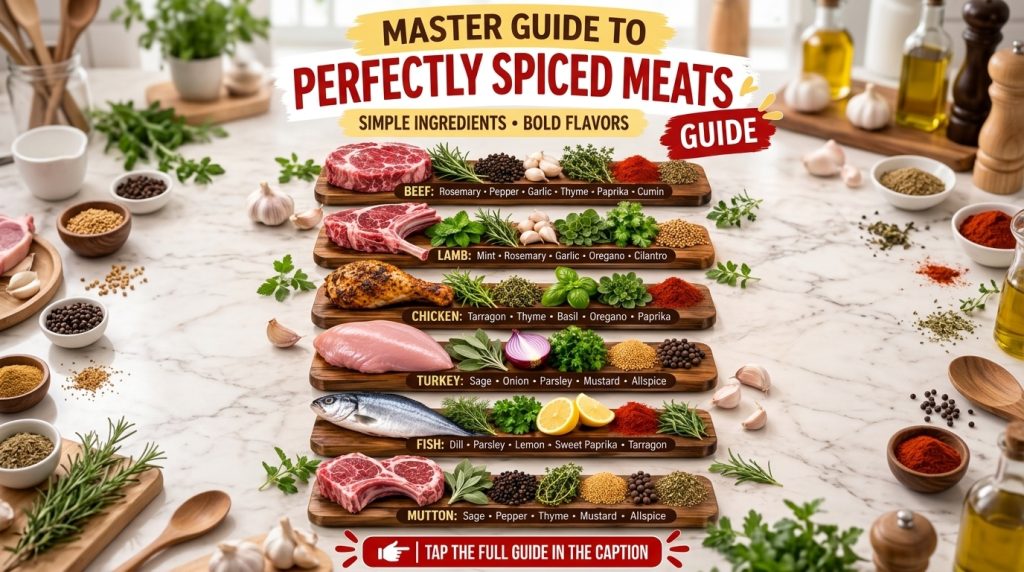
Why You’ll Love This Meat Spice Guide
- Unlock Bold Flavors: Learn to choose spices that genuinely enhance, not overpower, the natural taste of your meats.
- Boost Cooking Confidence: Feel more assured in the kitchen knowing exactly how to season your dishes for delicious results every time.
- Simple Ingredients, Big Impact: Utilize common herbs and spices in new ways to create sophisticated flavors without complex techniques.
- Versatile & Customizable: This guide provides a foundation that you can adapt to your personal preferences and any cuisine.
- Elevate Everyday Meals: Turn routine dinners into exciting culinary adventures with just a few shakes of the right spice.
Understanding Flavor Profiles
Before diving into specific pairings, it’s helpful to understand the general flavor profiles of spices and how they interact with meat:
- Earthy: Cumin, coriander, paprika, turmeric. These add depth and warmth.
- Pungent/Spicy: Chili powder, cayenne pepper, black pepper. For heat and a kick.
- Aromatic: Garlic powder, onion powder, bay leaf, rosemary, thyme. Contribute savory, fragrant notes.
- Sweet/Warm: Cinnamon, nutmeg, cloves, allspice. Often used in rubs for pork and some poultry.
- Citrusy/Bright: Lemon zest, sumac. Add a fresh, zesty counterpoint.
The Ultimate Meat Spice Pairings
Beef
Beef, with its rich and robust flavor, can stand up to strong spices. Think about enhancing its savory notes and adding a touch of earthiness or heat.
- Classic Pairings: Black pepper, garlic powder, onion powder, paprika, thyme, rosemary, bay leaf.
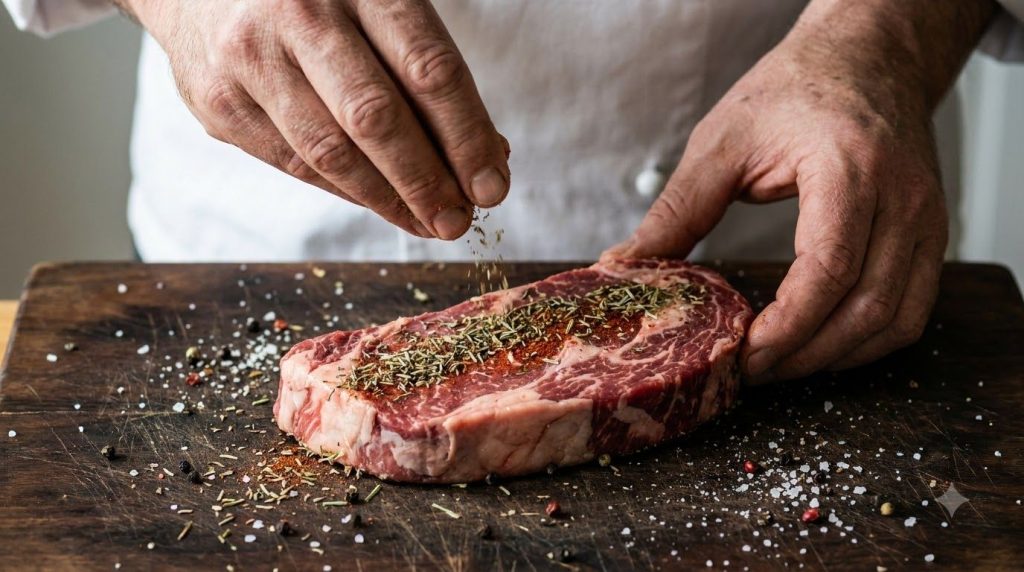
- For Roasts & Steaks: Coarse salt, cracked black pepper, fresh rosemary, thyme, garlic. Consider a rub with a touch of espresso powder for deep color and umami.
- For Ground Beef (Chili, Tacos): Cumin, chili powder, oregano, smoked paprika, cayenne, a hint of cocoa powder.
Chicken
Chicken is incredibly versatile and acts as a blank canvas, readily absorbing the flavors of various spices and herbs. Its mild taste allows for a wide range of culinary exploration.
- Classic Pairings: Garlic powder, onion powder, paprika, dried oregano, thyme, rosemary, black pepper.
- Mediterranean Flair: Lemon zest, dried oregano, marjoram, sumac, a pinch of cinnamon.
- Asian Inspired: Ginger powder, five-spice powder, white pepper, garlic powder.
- Spicy & Smoky: Smoked paprika, cayenne pepper, chili powder, cumin, brown sugar (for a rub).
Pork
Pork’s natural sweetness and fatty richness pair beautifully with both savory and slightly sweet spices. It’s excellent with robust herbs that cut through its richness.
- Classic Pairings: Sage, rosemary, thyme, garlic powder, onion powder, black pepper, paprika.
- Sweet & Savory Rubs: Brown sugar, smoked paprika, chili powder, cumin, garlic powder, mustard powder, a touch of cayenne.
- For Roasts & Chops: Fennel seeds (crushed), sage, thyme, black pepper.
- Global Flavors: Cumin and oregano for Mexican-inspired dishes; ginger and five-spice for Asian glazes.
Lamb
Lamb has a distinct, often gamey flavor that benefits from aromatic, earthy, and sometimes bright spices. Mediterranean and Middle Eastern spices are particularly complementary.
- Classic Pairings: Rosemary, thyme, garlic, oregano, mint.
- Mediterranean & Middle Eastern: Cumin, coriander, sumac, dried mint, paprika, cinnamon, allspice, nutmeg.
- For Marinades: Lemon juice, olive oil, garlic, fresh rosemary, and oregano.
Fish & Seafood
Delicate fish and seafood require lighter, brighter spices and herbs that complement without overwhelming their subtle flavors. Citrus is almost always a good idea.
- Classic Pairings: Dill, parsley, chives, lemon zest, black pepper, garlic powder, paprika (especially for salmon).
- Mediterranean Style: Dried oregano, thyme, garlic, red pepper flakes, lemon.
- Asian Inspired: Ginger, white pepper, a touch of sesame seeds.
- For White Fish: White pepper, dill, tarragon, lemon zest.
- For Salmon/Tuna: Smoked paprika, black pepper, garlic powder, a hint of brown sugar for caramelization.
Turkey
Turkey, especially whole birds or large cuts, often benefits from warm, aromatic herbs and spices. Its mild flavor, similar to chicken, makes it versatile.
- Classic Pairings (especially for holiday roasts): Sage, thyme, rosemary, marjoram, black pepper, garlic powder, onion powder, paprika.
- Smoky & Savory: Smoked paprika, a touch of cumin, black pepper, garlic powder.
- Herbaceous Rubs: Mix fresh sage, rosemary, and thyme with softened butter and rub under the skin for maximum flavor and moisture.
How to Season Your Meat for Best Results
- Generously Season: Don’t be shy! Meat needs a good amount of seasoning to absorb flavors, especially larger cuts.
- Season Early: For best flavor penetration, season meat at least 30 minutes, or even several hours, before cooking. For large roasts, overnight seasoning in the refrigerator can make a big difference.
- Even Distribution: Ensure spices are evenly distributed over all surfaces of the meat. For poultry, consider seasoning under the skin.
- Use Salt & Pepper First: These are your flavor foundations. Always season with salt and freshly ground black pepper before adding other spices.
- Consider Rubs & Marinades:
- Rubs: Dry rubs create a flavorful crust and help to tenderize. Mix spices with salt, pepper, and sometimes a bit of sugar.
- Marinades: Wet marinades infuse flavor and can tenderize. They typically contain an acid (lemon juice, vinegar), oil, and various herbs and spices.
Pro Tips for Mastering Meat Seasoning
- Toast Whole Spices: Gently toasting whole spices (like cumin seeds, coriander seeds, or peppercorns) in a dry pan before grinding them releases their aromatic oils and intensifies their flavor.
- Layer Your Flavors: Don’t just dump all your spices at once. Consider building flavors by adding some spices during marination, some in a rub, and a final sprinkle after cooking for freshness.
- Fresh Herbs for Finish: While dried herbs are great for cooking, fresh herbs (like parsley, cilantro, chives) chopped and sprinkled on at the end of cooking can add a vibrant, fresh note and beautiful color.
- Bloom Your Spices: For ground spices, sautéing them briefly in a little oil at the beginning of cooking (especially for dishes like chili or curry) can ‘bloom’ their flavors, making them more aromatic and potent.
- Rest Your Meat: After cooking, always let your meat rest. This allows the juices to redistribute, resulting in a more tender and flavorful product.
- Taste as You Go (if safe): For sauces, marinades, or rubs, taste and adjust seasoning before applying it to the raw meat.
- Experiment Fearlessly: The best way to find your favorite combinations is to try new things! Start with small amounts and build up.
Common Mistakes to Avoid
- Under-Seasoning: The most common mistake! Meat needs more seasoning than you might think, especially larger cuts.
- Ignoring Salt: Salt is crucial for flavor. It doesn’t just make things salty; it enhances the natural flavors of the meat.
- Old Spices: Spices lose their potency over time. If your spices don’t smell fragrant, they won’t add much flavor. Replace them every 6-12 months for ground spices, 1-2 years for whole spices.
- Uneven Seasoning: Rushing the seasoning process can lead to bland spots. Take your time to coat the meat thoroughly.
- Overpowering Delicate Meats: Using very strong, pungent spices on mild fish or chicken can mask their natural flavor instead of enhancing it.
- Not Grinding Fresh: While pre-ground spices are convenient, grinding whole spices just before use provides a much more intense and fresh flavor.
Variations & Customizations
This guide offers a foundation, but feel free to get creative! Here are a few ideas:
- Regional Blends: Explore pre-made or DIY spice blends from different cuisines (e.g., Ras el Hanout for lamb, Cajun seasoning for chicken, Italian seasoning for pork).
- Sweet & Spicy: Combine sweet elements like brown sugar or maple syrup with chili flakes or cayenne for an intriguing balance.
- Herbal Infusions: Infuse cooking oil with fresh herbs (like rosemary or garlic) before searing meat for an extra layer of flavor.
- Smoky Notes: Add liquid smoke (sparingly) or smoked paprika for a barbecue-like flavor without a grill.
Serving Suggestions
The beauty of perfectly seasoned meat is its versatility. Serve your expertly flavored meats with:
- Fresh Sides: A crisp green salad, roasted vegetables, or a light quinoa salad.
- Hearty Grains: Rice, couscous, farro, or pasta to soak up delicious juices.
- Sauces & Condiments: A tangy chimichurri for beef, a refreshing yogurt-dill sauce for lamb, or a vibrant salsa for chicken or fish.
- Bread: Crusty bread or warm tortillas can complete any meal featuring flavorful meat.
Storage & Shelf Life of Spices
To keep your spices fresh and potent:
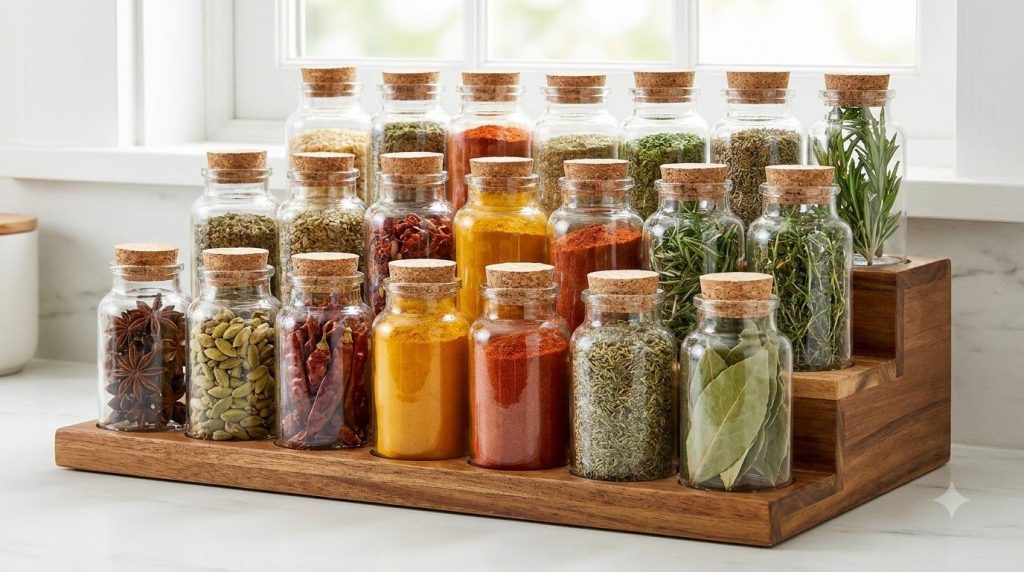
- Store in a Cool, Dark Place: Heat, light, and humidity are the enemies of spice freshness. Keep them away from the stove or windows.
- Airtight Containers: Glass jars with tight-fitting lids are ideal to prevent air exposure.
- Whole vs. Ground: Whole spices retain their flavor longer than ground spices.
- General Guidelines: Ground spices generally last 6-12 months, while whole spices can last 1-2 years. Dried herbs typically last 1-3 years. If they’ve lost their aroma, it’s time to replace them.
FAQ
What’s the difference between herbs and spices?
Herbs typically come from the leafy green part of a plant (e.g., basil, parsley, rosemary), while spices come from other parts of the plant, such as the seeds, fruit, root, bark, or flower (e.g., cumin, cinnamon, ginger, cloves).
Should I use fresh or dried herbs?
Both have their place! Dried herbs are more concentrated and best for long cooking times, where their flavors can slowly infuse. Fresh herbs are more delicate and vibrant, ideal for adding at the end of cooking or as a garnish for a burst of fresh flavor.
How much spice should I use?
As a general rule for dried spices, start with about 1 teaspoon per pound (450g) of meat and adjust to your taste. For fresh herbs, you may need 3-4 times that amount since their flavor is less concentrated.
Can I make my own spice blends?
Absolutely! Creating your own blends allows for customization and ensures freshness. Store them in an airtight container in a cool, dark place for optimal potency.
How long do spices last?
While spices don’t spoil in a way that makes them unsafe, they do lose their flavor and potency over time. Ground spices are best used within 6-12 months, and whole spices within 1-2 years. If a spice no longer has a strong aroma, it’s time to replace it.
What are the best universal spices for meat?
Salt, black pepper, garlic powder, onion powder, and paprika are incredibly versatile and form a great base for almost any meat dish. From there, you can add specific herbs and spices to match the meat type and desired cuisine.
With this ultimate spice guide, you’re now equipped to turn every meal into a flavorful masterpiece. Happy cooking!