Sculpt Your Core: Your Ultimate Routine for Strength and Stability
A strong core is often associated with visible abs, but its benefits extend far beyond aesthetics. Your core muscles – which include your abdominal muscles, back muscles, and the muscles around your pelvis – act as the powerhouse of your body. They are crucial for almost every movement you make, from bending over to pick something up to maintaining balance while walking. Incorporating a dedicated core routine into your fitness regimen can significantly improve your overall well-being, posture, and even help prevent common aches and pains.
Why a Strong Core Matters for Everyone
Whether you’re an athlete, a busy professional, or simply looking to improve your daily comfort, strengthening your core offers a multitude of advantages:
- Improved Posture: A strong core helps you maintain proper alignment of your spine, shoulders, and pelvis, reducing slouching and promoting a confident stance.
- Reduced Back Pain: Weak core muscles often contribute to lower back pain. By strengthening these muscles, you create a supportive ‘corset’ around your spine, which may help alleviate and prevent discomfort.
- Enhanced Balance and Stability: Your core is central to your body’s balance. A strong core can help you perform daily activities more safely and effectively, reducing the risk of falls.
- Better Athletic Performance: Nearly every sport and physical activity relies on a strong core for power, agility, and efficient movement.
- Increased Functional Strength: Lifting, carrying, twisting, and reaching all engage your core. Strengthening it makes these everyday movements easier and safer.
Essential Core Exercises for All Fitness Levels
Ready to build a stronger, more stable core? Here are some foundational exercises suitable for beginners, with tips for progression as you get stronger.
1. Plank
The plank is a fantastic full-body core stabilizer. It engages your abs, back, shoulders, and glutes.
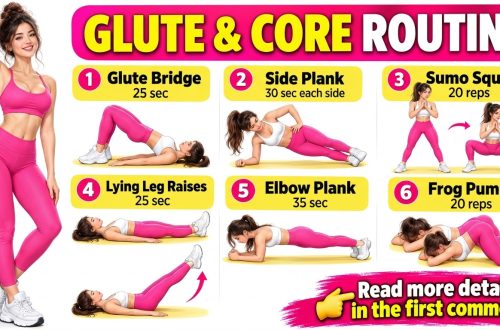
- How to do it: Start in a push-up position, but hold yourself up on your forearms instead of your hands. Keep your body in a straight line from head to heels, engaging your core and glutes. Don’t let your hips sag or rise too high.
- Hold time: Aim for 30-60 seconds, and gradually increase as you get stronger.
2. Crunches
Crunches specifically target your rectus abdominis (the ‘six-pack’ muscle).
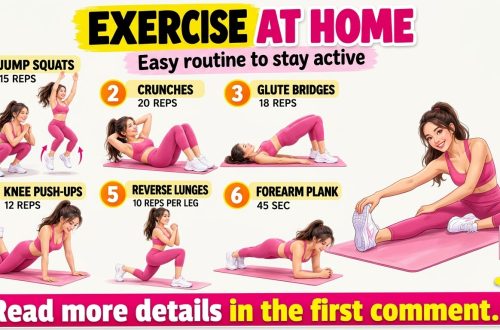
- How to do it: Lie on your back with knees bent and feet flat on the floor, hip-width apart. Place your hands lightly behind your head or across your chest. Engage your core and lift your head and shoulders off the floor, bringing your rib cage towards your pelvis. Lower back down with control.
- Repetitions: Start with 2-3 sets of 10-15 repetitions.
3. Mountain Climbers
This dynamic exercise builds core strength, cardiovascular endurance, and shoulder stability.
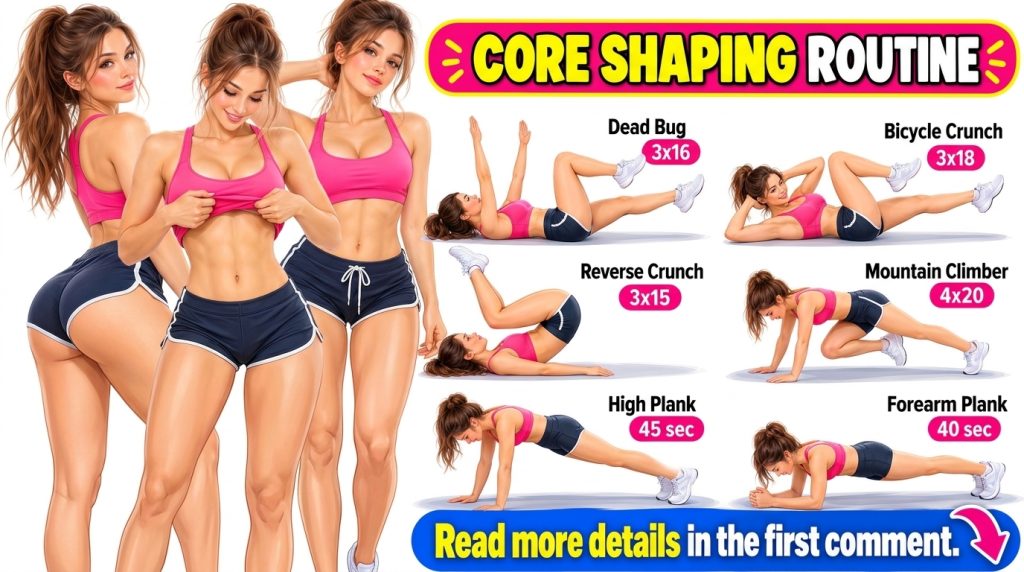
- How to do it: Start in a high plank position with your hands directly under your shoulders. Keeping your core engaged and back flat, alternate bringing one knee towards your chest, then quickly switch to the other leg. Imagine running in place while in a plank.
- Time/Repetitions: Perform for 30-60 seconds or 2-3 sets of 10-15 repetitions per leg.
4. Russian Twists
Russian twists target your obliques (side abdominal muscles).
- How to do it: Sit on the floor with your knees bent and feet flat. Lean back slightly, keeping your back straight and core engaged, so your torso forms a 45-degree angle with the floor. You can lift your feet slightly off the ground for more challenge. Clasp your hands together or hold a light weight. Twist your torso from side to side, tapping your hands or the weight to the floor beside your hips.
- Repetitions: Aim for 2-3 sets of 10-15 twists per side.
5. Leg Raises
Leg raises work your lower abdominal muscles.
- How to do it: Lie on your back with your legs straight and hands either under your glutes for support or by your sides. Keeping your lower back pressed into the floor and core engaged, slowly raise your legs towards the ceiling until they are perpendicular to the floor (or as high as you can without arching your back). Slowly lower them back down, stopping just before they touch the floor.
- Repetitions: Start with 2-3 sets of 10-15 repetitions.
Crafting Your Core Workout Routine
For best results, aim to incorporate core exercises into your routine 2-3 times per week, allowing a day of rest in between sessions. You can perform these exercises as a standalone core workout or add them to the end of your regular strength training or cardio session. Remember to focus on proper form rather than speed or the number of repetitions.
Tips for Progression
- Increase Duration/Reps: As you get stronger, hold planks longer or add more repetitions to your crunches and leg raises.
- Add Resistance: Hold a light dumbbell or medicine ball during Russian twists, or wear ankle weights for leg raises.
- Try Variations: Explore variations like side planks, bicycle crunches, or reverse crunches to challenge your core in different ways.
Important Considerations for a Healthy Core
Listen to your body. If an exercise causes pain, stop immediately. Always prioritize proper form over the number of repetitions or the amount of weight used. Consistency is key, and even short, regular core workouts can yield significant benefits over time.
Disclaimer
The information provided in this article is for educational and informational purposes only, and does not constitute medical advice. Always consult with a qualified healthcare professional before starting any new exercise program, especially if you have any pre-existing health conditions or concerns.