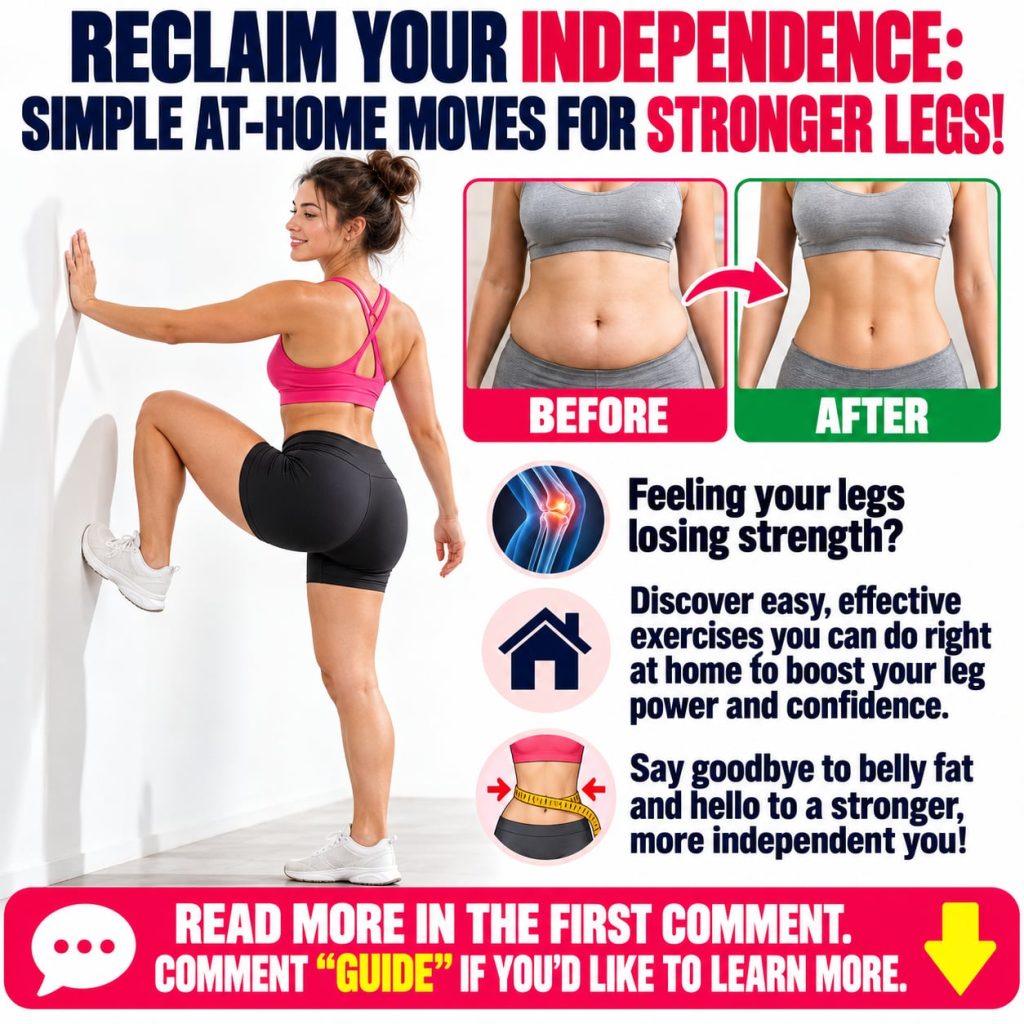
Reclaim Your Independence: Simple At-Home Moves for Stronger Legs!
Feeling your legs losing strength as time goes by? You’re certainly not alone! Many of us experience a decline in leg power, which can impact daily activities, confidence, and overall independence. But here’s the good news: you don’t need a gym full of equipment or hours of dedicated time to make a significant difference. Simple, at-home leg exercises can powerfully boost your leg strength and confidence, helping you move through life with greater ease.
Building stronger legs is about more than just aesthetics; it’s about enhancing your quality of life. From climbing stairs and carrying groceries to enjoying a leisurely walk, robust leg muscles provide the foundation for an active and independent lifestyle. Let’s explore some easy, effective exercises you can start doing today, right in the comfort of your own home.
Why Strong Legs Are Essential for Everyone
Leg strength is a cornerstone of overall physical health and well-being, especially as we age. Here’s why prioritizing your leg muscles is so important:
- Enhanced Mobility and Balance: Strong legs provide the stability needed to prevent falls and maintain balance, which is crucial for safety and independence.
- Support Daily Activities: Everyday tasks like getting up from a chair, lifting objects, or walking long distances become easier and less strenuous.
- Improved Bone Health: Weight-bearing exercises, like those for your legs, help promote bone density, which is vital for preventing osteoporosis.
- Metabolic Benefits: Your leg muscles are among the largest in your body. Working them can help boost your metabolism and support healthy weight management.
- Increased Confidence: Feeling physically capable can significantly improve your self-confidence and encourage you to engage more in activities you enjoy.
Key Principles for Effective At-Home Leg Workouts
Before diving into the exercises, keep these simple principles in mind to get the most out of your routine:
- Start Slowly: If you’re new to exercise, begin with fewer repetitions and sets, gradually increasing as your strength improves.
- Focus on Form: Proper technique is more important than speed or the number of reps. Watch videos or use a mirror to ensure you’re performing each movement correctly.
- Listen to Your Body: A little muscle soreness is normal, but sharp pain is a sign to stop. Rest when needed and don’t push through discomfort.
- Consistency is Key: Aim for 2-3 leg workouts per week, allowing a day of rest in between for muscle recovery.
- Warm-Up and Cool-Down: Always begin with 5-10 minutes of light cardio (like marching in place) and end with some gentle stretches for your legs.
Simple At-Home Leg Exercises to Boost Your Power
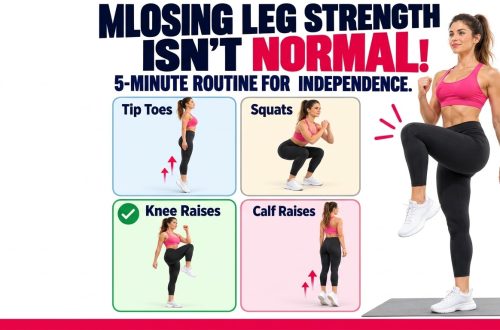
These exercises require no special equipment and can be modified to suit various fitness levels.
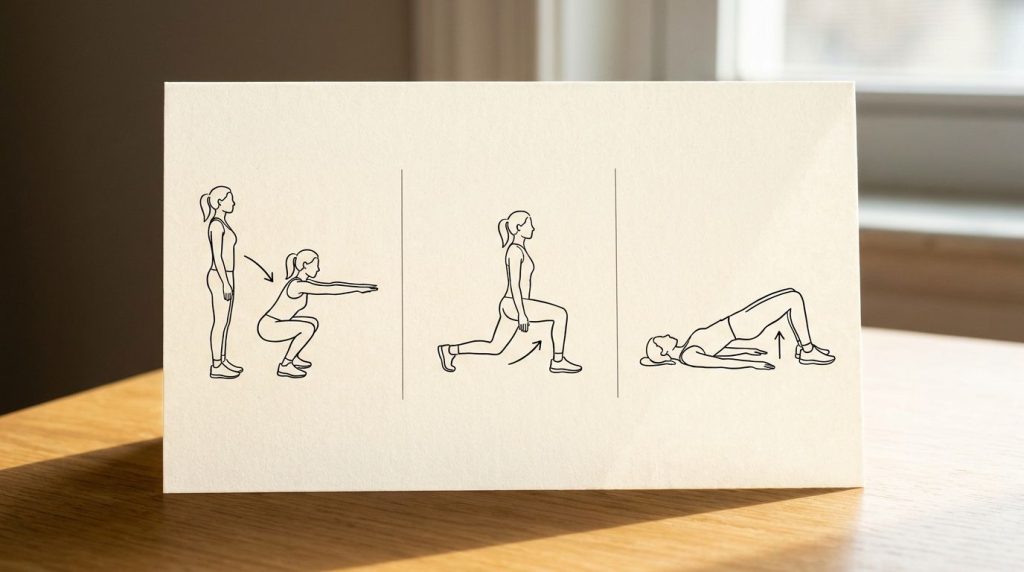
1. Bodyweight Squats
Squats are a fundamental exercise that works your glutes, quadriceps, and hamstrings, mimicking the natural movement of sitting down and standing up.
- How to do it: Stand with your feet shoulder-width apart, toes pointing slightly outward. Keep your chest up and core engaged. Slowly lower your hips as if sitting into a chair, ensuring your knees track over your toes (not past them). Go as low as comfortable, then push through your heels to return to the starting position.
- Modification: For beginners, hold onto a sturdy chair for support or only squat halfway down.
2. Lunges (Forward or Reverse)
Lunges target each leg individually, helping to improve balance and strength.
- How to do it: Stand with your feet hip-width apart. Step one leg forward (for forward lunge) or backward (for reverse lunge) and lower your hips until both knees are bent at approximately a 90-degree angle. Ensure your front knee is directly above your ankle and your back knee hovers just above the floor. Push off your front (or back) foot to return to the starting position. Alternate legs.
- Modification: Hold onto a wall or chair for balance. Reduce the depth of the lunge if needed.
3. Calf Raises
Strong calves are vital for walking, running, and overall leg stability.
- How to do it: Stand with your feet hip-width apart, perhaps holding onto a wall or chair for balance. Slowly raise yourself up onto the balls of your feet, lifting your heels as high as possible. Hold for a second, then slowly lower your heels back down.
- Modification: Perform one leg at a time to increase the challenge.
4. Glute Bridges
This exercise strengthens your glutes and hamstrings, which are crucial for hip extension and back support.
- How to do it: Lie on your back with your knees bent, feet flat on the floor, and arms at your sides. Engage your core and glutes, then lift your hips off the floor until your body forms a straight line from your shoulders to your knees. Squeeze your glutes at the top, then slowly lower your hips back down.
- Modification: Place a cushion under your head if your neck feels strained.
5. Wall Sits
Wall sits are an isometric exercise that builds endurance in your quadriceps and glutes.
- How to do it: Lean your back against a sturdy wall. Slide down until your knees are bent at a 90-degree angle, as if you are sitting in an invisible chair. Ensure your thighs are parallel to the floor and your back is flat against the wall. Hold this position for as long as you can, maintaining good form.
- Modification: If a 90-degree angle is too challenging, start with a shallower bend in your knees and gradually work your way down.
Creating Your At-Home Leg Workout Routine
Here’s a sample routine you can adapt:
- Warm-up: 5-10 minutes of marching in place, arm circles, leg swings.
- Exercises:
- Bodyweight Squats: 3 sets of 10-15 repetitions.
- Alternating Lunges: 3 sets of 8-12 repetitions per leg.
- Calf Raises: 3 sets of 15-20 repetitions.
- Glute Bridges: 3 sets of 12-15 repetitions.
- Wall Sit: 3 sets, holding for 20-60 seconds each.
- Cool-down: 5-10 minutes of gentle stretches for quadriceps, hamstrings, and calves.
Remember to rest for 30-60 seconds between sets and 1-2 minutes between different exercises. Adjust the number of sets and reps based on your fitness level and how you feel.
Important Considerations
While these exercises are generally safe and beneficial, it’s always wise to:
- Hydrate: Drink plenty of water before, during, and after your workout.
- Wear Appropriate Footwear: Supportive shoes can help prevent discomfort and injury.
- Consult a Professional: If you have any underlying health conditions, chronic pain, or concerns, consult with a healthcare provider or a certified personal trainer before starting any new exercise program. This content is for educational purposes only and not a substitute for professional medical advice.
Reclaiming your independence through stronger legs is an achievable goal that offers immense rewards. By incorporating these simple, effective exercises into your routine, you’ll not only build physical strength but also boost your confidence and enhance your overall quality of life. Start today, and take the first step towards a stronger, more independent you!