In a world often seeking instant gratification, the concept of quick fixes for weight loss can be incredibly appealing. Promises of rapid results from extreme diets or grueling workout routines often flood our feeds. However, true, lasting weight loss isn’t about overnight transformations; it’s about cultivating a set of consistent, healthy habits that support your body’s well-being in the long run. At Wellness Daily, we believe in embracing the journey to a healthier you through realistic goals and steady, sustainable progress.
Why Quick Fixes Don’t Last
Many popular ‘fad diets’ promise dramatic weight loss in a short period, often through severe calorie restriction or eliminating entire food groups. While you might see initial drops on the scale, these approaches are often unsustainable and can lead to a cycle of weight loss and regain, commonly known as ‘yo-yo dieting.’ This cycle can be detrimental to your metabolism, mental health, and overall relationship with food. Sustainable weight loss shifts the focus from deprivation to nourishment, building a foundation for a healthy lifestyle that you can maintain indefinitely.
The Pillars of Sustainable Weight Loss
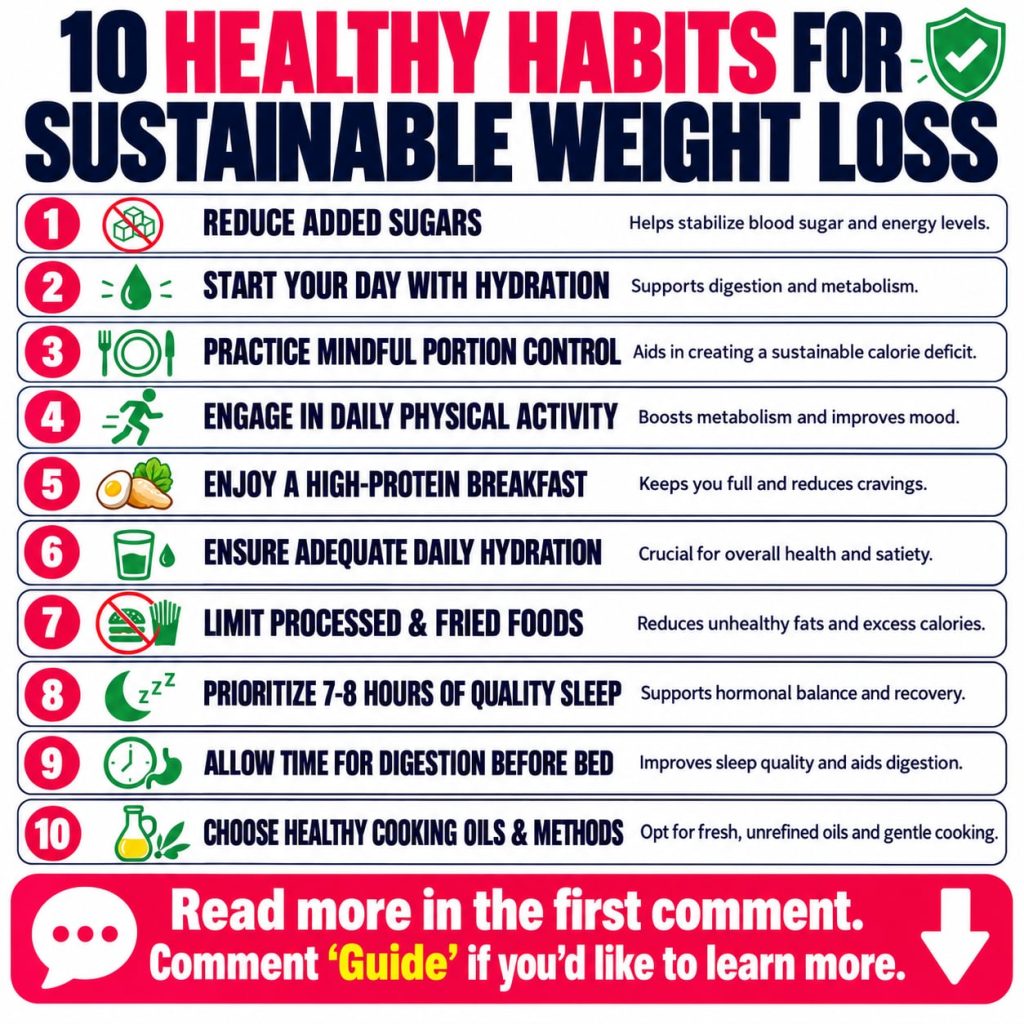
Lasting results don’t come from a single magical solution, but from the cumulative effect of small, consistent steps. Here are the fundamental pillars:
1. Balanced Meals: Fueling Your Body Right
Eating balanced meals is crucial for providing your body with the necessary nutrients, maintaining energy levels, and managing hunger. It’s not just about eating less; it’s about eating smarter.
- Focus on Whole Foods: Prioritize fruits, vegetables, lean proteins, whole grains, and healthy fats. These foods are rich in nutrients and fiber, which help you feel full and satisfied.
- Portion Control: Understand appropriate portion sizes to avoid overeating. Using smaller plates or measuring tools can be helpful.
- Mindful Eating: Pay attention to your body’s hunger and fullness cues. Eat slowly, savor your food, and avoid distractions during meals. This can help prevent overconsumption and improve digestion.
- Hydration: Sometimes, thirst can be mistaken for hunger. Ensure you’re drinking enough water throughout the day.
2. Daily Activity: Move Your Body, Feel the Difference
Physical activity is a cornerstone of a healthy lifestyle, supporting not only weight management but also cardiovascular health, mood, and energy levels.
- Find What You Enjoy: The best exercise is the one you’ll stick with. Whether it’s walking, dancing, cycling, swimming, or hiking, find activities that you genuinely enjoy.
- Incorporate Variety: Aim for a mix of cardiovascular exercises (like brisk walking or jogging), strength training (to build muscle, which boosts metabolism), and flexibility work (like stretching or yoga).
- Consistency Over Intensity: Regular, moderate activity is more effective in the long run than sporadic, intense workouts. Even 30 minutes of brisk walking most days of the week can make a significant difference.
3. Proper Hydration: The Simple Power of Water
Water is essential for countless bodily functions, including metabolism, nutrient transport, and temperature regulation. Staying adequately hydrated can also play a role in weight management.
- Boosts Metabolism: Research suggests that drinking water may temporarily increase your metabolic rate.
- Promotes Satiety: Drinking a glass of water before meals may help you feel fuller, potentially leading to reduced calorie intake.
- Supports Digestion: Water helps break down food and absorb nutrients, preventing constipation.
4. Restful Sleep: The Unsung Hero of Weight Loss
The importance of sleep in weight management is often underestimated. Poor sleep can disrupt hormones that regulate appetite and metabolism.
- Hormonal Balance: Lack of sleep can increase ghrelin (the hunger hormone) and decrease leptin (the satiety hormone), leading to increased appetite and cravings, especially for high-calorie foods.
- Cortisol Levels: Insufficient sleep can elevate cortisol, the stress hormone, which may contribute to belly fat storage.
- Energy for Activity: Good sleep provides the energy you need to stay active and make healthy food choices throughout the day. Aim for 7-9 hours of quality sleep each night.
Embrace the Journey, Celebrate Every Win
Sustainable weight loss is a journey, not a destination. It requires patience, consistency, and self-compassion. There will be good days and challenging days, but the key is to keep moving forward. Focus on building these healthy habits one step at a time, and celebrate every small victory along the way – whether it’s choosing a healthy snack, completing a workout, or getting a full night’s sleep. These little steps truly do add up to big progress for a healthier, happier you.
Remember, this content is for educational purposes only and is not intended as a substitute for professional medical advice, diagnosis, or treatment. Always seek the advice of your physician or other qualified health provider with any questions you may have regarding a medical condition or before starting any new diet or exercise program.